

Many car owners have encountered issues with brake pad dust. Some people attribute this to poor-quality brake pads, while others claim that brake dust is a normal occurrence. What exactly is this black dust, and how does it affect your vehicle? Let's dive into the details and clear up any confusion.
What is Brake Dust?
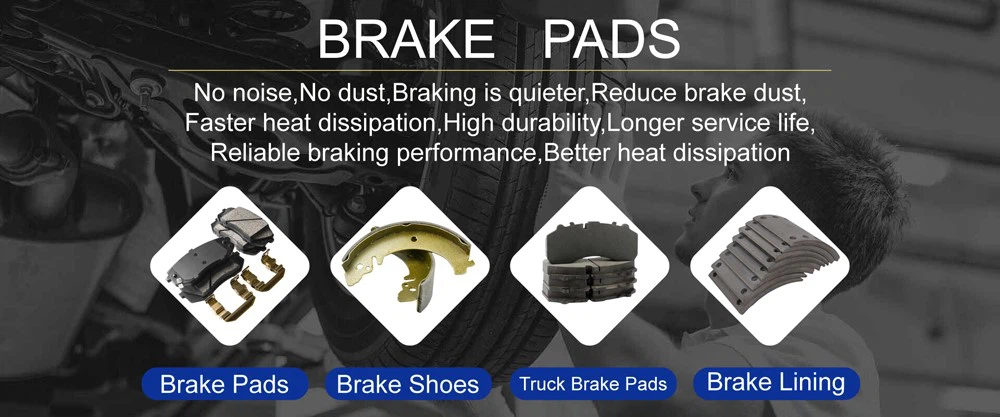
Brake dust, or the black or gray residue found on wheels and surrounding areas, originates from the friction materials used in brake pads. Brake pads are made from a combination of powders and rubber that are heated and compressed to form the final product. The amount and rate at which brake dust is produced can vary depending on the type of brake pad.
Brake Dust Composition
Fast-Dusting Pads: Brake pads that produce dust quickly generally have a higher initial comfort level and tend to be less abrasive on the brake disc. However, they tend to wear out faster themselves, resulting in a shorter lifespan.
Static Black Dust: If the dust is black and sticky due to static electricity, it can easily dirty the wheels and be difficult to clean. This is the type of dust many car owners notice and find bothersome.
Does Brake Dust Impact Performance?
Brake dust itself does not directly affect braking performance as long as the brake pads are functioning properly and not causing the brakes to slip. However, the characteristics of the brake dust can have some effects:
High Dust Pads: Brake pads that produce dust quickly are often referred to as "hard" in common terms. These pads have a slower wear rate and longer mileage but can be more abrasive on the brake discs, leading to potential issues like brake judder.
Low Dust Pads: These pads tend to generate less dust and are generally softer on the brake discs. However, they may wear out faster and could potentially affect braking efficiency if the dust contributes to brake pad slippage.
Types of Brake Pads and Their Dust Characteristics

Semi-Metallic or Low-Metallic Pads:
Advantages: High power absorption per unit area and excellent heat dissipation, making them suitable for high-speed and heavy-load braking conditions.
Disadvantages: They produce more dust, which can accumulate on the wheels.
Ceramic Pads:
Advantages: These pads are known for their high-temperature tolerance and produce less dust, which disperses more easily. They are also quieter and produce less brake noise.
Disadvantages: Higher cost compared to other types of brake pads.
Experts note that a high amount of dust on the wheels does not necessarily mean the brake pads are the cause of excessive dust. The design and structure of the wheels can influence how dust is dispersed and collected. Some brake pads might produce more dust, but if the wheel design is effective at dispersing the dust, it may appear cleaner.
Conclusion
For car owners, the key takeaway is to focus on the overall condition of the brake pads rather than just the amount of dust they produce. When brake pads reach their replacement threshold, it is crucial to replace them with high-quality alternatives to ensure reliable braking performance. While brake dust can be an inconvenience, it is merely a surface issue and should not overshadow the importance of maintaining effective braking components. Regularly cleaning your wheels can help maintain their appearance and reduce the visual impact of brake dust.
Ultimately, balancing brake pad performance and dust generation involves making informed choices. Opt for the type of brake pads that best suits your driving needs while keeping an eye on maintenance to ensure safety and vehicle longevity.