

Shandong Best Auto Parts Co., Ltd. is a brake pad manufacturer located in Shandong, China. The factory was established in 2015. We focus on the production of car brake pads, brake shoes and truck brake pads, brake lining.
As an OEM brake pad and brake shoe manufacturer and supplier, we currently have more than 3,000 models of production molds and maintain more than 2,000 models in stock, we have been committed to providing high-quality and reliable products. Our formulas are asbestos-free, dust-free, noise-free, and have long service life, and are trusted by customers. At the same time, we are also actively exploring the market. Our team is full of professional knowledge and experience, and we will provide high-quality after-sales service and will do our best to meet customer needs.
Why choose us?
Cover more models
We offer an extensive range of ceramic brake pads tailored to fit all models of Japanese, Korean, German, and American cars, providing our customers with a broad selection for any vehicle.
Small MOQ
Our minimum order quantity is only 1 set, providing you with great flexibility to meet your diverse needs for brake pads.
Quality assurance
A full set of quality testing equipment will allow us to repeatedly test and obtain data after production is completed to check product quality.
Fast delivery
We understand that fast shipping is very important to customers, so the models we have in stock only take 3 days.
Supply chain
Establish an integrated supply chain, production chain, and transportation chain. The best solution will be provided by Shandong Best Auto Parts.
Aftersales service
Act quickly on customer feedback to resolve any issues you may have after your purchase.
-
![Transit Van Brake Pads]() Transit Van Brake PadsBrake Pad Set 29246. Location:Front Axle. Brake System : KNORR SM7. Width : 244.6mm. Height : 111.7mm. Thickness : 30mm.read more
Transit Van Brake PadsBrake Pad Set 29246. Location:Front Axle. Brake System : KNORR SM7. Width : 244.6mm. Height : 111.7mm. Thickness : 30mm.read more -
![29087 Truck Brake Pad]() 29087 Truck Brake PadBrake Pad Set 2992348Location:Front AxleBrake System:KnorrWidth:247.6 mmHeight:109.5 mmThickness:30 mmread more
29087 Truck Brake PadBrake Pad Set 2992348Location:Front AxleBrake System:KnorrWidth:247.6 mmHeight:109.5 mmThickness:30 mmread more -
![Bus Front Brake Pads]() Bus Front Brake PadsBrake Pad Set 5001 831 161. Location:Front Axle. Brake System:GRL. Width:249 mm. Height:114.44 mm. Thickness:28.3 mm.read more
Bus Front Brake PadsBrake Pad Set 5001 831 161. Location:Front Axle. Brake System:GRL. Width:249 mm. Height:114.44 mm. Thickness:28.3 mm.read more -
![Commercial Brake Pads]() Commercial Brake PadsBrake Pad Set 29162. Location:Front Axle, Rear Axle. Brake System:WAB. Width:210.4 mm. Height:109.5 mm. Thickness:31 mm.read more
Commercial Brake PadsBrake Pad Set 29162. Location:Front Axle, Rear Axle. Brake System:WAB. Width:210.4 mm. Height:109.5 mm. Thickness:31 mm.read more -
![Heavy Duty Ceramic Brake Pads]() Heavy Duty Ceramic Brake PadsBrake Pad Set 29125. Location:Front Axle, Rear Axle. Brake System:GRL. Width:249.2 mm. Height:111 mm. Thickness:29 mm.read more
Heavy Duty Ceramic Brake PadsBrake Pad Set 29125. Location:Front Axle, Rear Axle. Brake System:GRL. Width:249.2 mm. Height:111 mm. Thickness:29 mm.read more -
![Heavy Duty Truck Brake Pads]() Heavy Duty Truck Brake PadsBrake Pad Set 29087. Location:Front Axle. Brake System:Knorr. Width:247.6 mm. Height:109.5 mm. Thickness:30 mm.read more
Heavy Duty Truck Brake PadsBrake Pad Set 29087. Location:Front Axle. Brake System:Knorr. Width:247.6 mm. Height:109.5 mm. Thickness:30 mm.read more -
![Rear Truck Brake Pads]() Rear Truck Brake PadsBrake Pad Set 29246. Location:Front Axle. Brake System : KNORR SM7. Width : 244.6mm. Height : 111.7mm. Thickness : 30mm.read more
Rear Truck Brake PadsBrake Pad Set 29246. Location:Front Axle. Brake System : KNORR SM7. Width : 244.6mm. Height : 111.7mm. Thickness : 30mm.read more -
![Commercial Vehicle Brake Pads]() Commercial Vehicle Brake PadsBrake Pad Set 02.0312.15.00. Location:Front Axle, Rear Axle. Brake System:KNR. Width:210.3 mm. Height:92.45 mm. Thickness:30 mm.read more
Commercial Vehicle Brake PadsBrake Pad Set 02.0312.15.00. Location:Front Axle, Rear Axle. Brake System:KNR. Width:210.3 mm. Height:92.45 mm. Thickness:30 mm.read more


Brake pads are a critical component of the braking system on trucks and other vehicles. They are made of a high-friction material that is pressed against the brake rotor when the brake pedal is pressed. This creates the friction that slows the vehicle down and brings it to a stop.
Advantages of Truck Brake Pads
Durability
Truck brake pads are designed to withstand the heavy loads and demanding driving conditions that trucks are subjected to. They are typically made of high-quality materials that are resistant to wear and tear, ensuring a long lifespan.
Reliability
Truck brake pads are reliable and provide consistent braking performance, even in challenging conditions such as wet or icy roads.
Safety
Properly functioning truck brake pads are essential for the safety of the truck driver and other road users. They ensure that the truck can be stopped quickly and effectively when necessary, reducing the risk of accidents.
Cost-effectiveness
Truck brake pads are a cost-effective solution for braking systems because they are durable and require less frequent replacement than other brake components.
Environmentally friendly
Some truck brake pads are made from recycled materials, which makes them more environmentally friendly than other brake components. They also produce less brake dust, which can be harmful to the environment if inhaled.

Organic brake pads
These pads are made from a blend of organic materials, such as rubber, glass, and Kevlar. They are suitable for everyday driving, produce less noise, and generate less brake dust. However, they tend to wear out faster and may not be suitable for heavy-duty applications.
Semi-metallic brake pads
These pads contain a mixture of organic materials and metal fibers, such as steel or copper. They provide better stopping power and heat dissipation compared to organic pads. However, they can be noisy and may cause more wear on the brake rotors.
Ceramic brake pads
Ceramic pads are made from a combination of ceramic compounds and copper fibers. They offer excellent stopping power, produce less noise and dust, and provide longer pad life. Although more expensive, they are ideal for trucks that require superior braking performance.
Low-metallic brake pads
These pads contain a small percentage of metal fibers along with other organic materials. They offer improved performance over organic pads but may generate more noise and dust. Low-metallic brake pads are suitable for trucks that require better braking performance on a budget.
Gather tools and materials needed
Before starting the brake pad replacement, gather all the necessary tools and materials. This typically includes a lug wrench or impact wrench, a socket set, a C-clamp or piston retraction tool, a flathead screwdriver, brake cleaner, brake lubricant, and new brake pads.
Remove the wheel
After gathering all the necessary tools and materials, the next step in brake pad replacement is to remove the wheel. Start by safely securing the truck with wheel chocks and lifting it with a jack. Once the wheel is off the ground, use a lug wrench or socket wrench set to loosen it, and remove the lug nuts to secure the wheel. Remove the wheel and set it aside in a safe location. Removing the wheel provides access to the brake assembly, allowing for easier inspection and replacement of the brake pads.
Take out the slider bolts and lift the caliper
In this step of replacing truck brake pads, you need to take out the slider bolts and then lift the caliper. The slider bolts are typically located at the back of the caliper assembly. Use a wrench to loosen and remove these slider bolts. Once the bolts are removed, lift the caliper assembly away from the brake rotor. Be cautious not to strain or damage the brake line connected to the caliper. Lifting the caliper provides access to the brake pads, allowing for their removal and replacement.
Remove the old pads
Remove the old pads and clips from the caliper assembly. Once the caliper is lifted, you’ll see the brake pads seated within the caliper bracket. The pads may be held in place by retaining clips or pins, depending on the design. Use the appropriate tools, such as a screwdriver or pliers, to release the clips or pins securing the pads. Then, carefully pull the old brake pads in the caliper bracket from their slots. Inspect the clips or pins for any signs of damage or wear and replace them if necessary. Removing the old pads prepares the caliper assembly for installing new brake pads.
Retract the pistons
As you removed the old brake pads, you may have noticed the pistons pressing against them. Before installing the new pads, it’s essential to retract these pistons to create enough space for the thicker brake pads. This can typically be done using a C-clamp or a specialized tool for retracting brake caliper pistons. Place the clamp or tool over the caliper and position it so that it contacts the pistons. Slowly tighten the clamp or tool to push the pistons back into the caliper bore. During this process, be cautious not to damage the pistons or the caliper housing. Retracting the pistons ensures sufficient clearance for the new brake pads to fit correctly within the caliper assembly.
Monitor your brake fluid level
When replacing a brake pad, monitoring your brake fluid level is crucial. As you retract the pistons to accommodate the new brake pads, the brake fluid within the master cylinder reservoir may rise. Excessive brake fluid levels can overflow and spill, potentially causing damage to surrounding components and creating a safety hazard. Therefore, periodically check the brake fluid level in the master cylinder reservoir throughout the brake pad replacement process. If the fluid level approaches the maximum fill line or appears to overflow, use a syringe or turkey baster to remove the excess fluid and return it to the recommended level. Maintaining the proper brake fluid level ensures optimal performance and prevents potential hydraulic system issues.
Install the the new brake pads
Begin by placing the new pads on the caliper bracket or housing, ensuring they align correctly with the rotor surface. Most brake pads feature indicators or markings to indicate their correct orientation. Once correctly positioned, carefully slide the brake pads into place, ensuring they fit snugly against the rotor without any gaps or misalignment. Depending on the design of your brake system, you may need to apply brake grease or anti-squeal compound to the backing plates of the brake pads to prevent noise and vibration. Double-check that the brake pads are securely seated within the caliper bracket or housing before proceeding to the next step. Proper installation of the new brake pads is essential for safe and effective braking performance, so take your time to ensure everything is correctly positioned.
Slide the caliper back into its original position
Carefully slide the caliper back into its original position over the brake pads. Remember not to damage the brake pads or any surrounding components during this process. Align the caliper with the mounting bracket or housing and ensure the slider bolts or guide pins align correctly with their respective holes. Slowly push the caliper back onto the bracket, careful not to pinch or trap any brake lines or hoses. Use caution to avoid excessive force, as this could cause damage to the caliper or brake system.
Once the caliper is correctly seated against the bracket, insert the slider bolts or guide pins and tighten them securely to the manufacturer’s specifications. Ensure that the caliper is aligned symmetrically over the brake rotor and that there is no binding or interference with the rotor’s rotation. Proper alignment and installation of the caliper are crucial for optimal brake performance and safety, so take your time to ensure everything is correctly positioned before proceeding to the next step.
Put the wheel back on
Put the wheel back onto the hub, ensuring it aligns appropriately with the lug bolts or studs. Hold the wheel in place with one hand while using the other hand to thread the lug nuts or bolts by hand. Tighten the lug nuts or bolts to ensure even pressure distribution and proper wheel alignment. Avoid over-tightening the lug nuts or bolts, as this can damage the wheel studs or bolts and lead to improper wheel mounting. Once all the lug nuts or bolts are tightened to the correct torque, lower the truck from the jack stands or lift and remove the jack. Finally, use a lug wrench or socket wrench to double-check the tightness of each lug nut or bolt in the same crisscross or star pattern to confirm that they are correctly secured.
Test-drive your truck under safe conditions
After completing the brake pad replacement and before hitting the road, conduct a brief test drive to ensure the brake system is functioning. Start the engine, release the parking brake, and slowly engage the brakes to test their responsiveness. Listen for any unusual noises and pay attention to the feel of the brakes. If everything feels normal, proceed with a short drive around a safe area to confirm that the brakes are working effectively.
Brake shoes, commonly referred to brake pads, belong to easily-consumed products. They will gradually wear out in use. They should be replaced when worn to the limit position. Otherwise, they will reduce the effect of braking and even cause accidents. The brake pad is vital to life and must be treated with caution.
Under normal driving conditions, every 5000 kilometers roads need to check the brake pad. It is neccesary to check not only the remaining thickness, but also the wear status of the pad and check whether the wear degree on both sides is the same, whether the recovery is frequent or not. And if finding the abnormal condition, it is very important to deal with immediately.
The brake pad is usually made up of two parts: the iron liner and the friction material. We cannot replace the pad until the friction material worn away. For example, the front brake pad of Jetta, the thickness of the new pad is 14 mm, and the limited thickness of replacement is 7 mm, which includes more than 3 mm of iron lining thickness and nearly 4 mm thickness of friction material. Some vehicles have brake pad alarm function. Once reaching wear limits, the instrument will alarm to replace the pad. The pad must be replaced when reach the limits, even if they can be used for a period of time, it will reduce the affect of braking and affect the safety of the driving.
When replacing the pad, a special tool must be used to put the brake sub pump back. Do not use a crowbar hard pressed back. If doing like this, it is easy to cause the brake caliper guide screw bending, so that the brake will clamp.
After the replacement, we must hit the brakes many time to eliminate brake pad clearance between pad and brake disc.
When the brake shoe is replaced, it is necessary to drive 200 kilometers to achieve the best braking performance. The newly changed pad must be driven cautiously.

How Truck Brake Pads Work
When you press down on the brake pedal, hydraulic pressure forces the brake caliper to squeeze both sides of the brake rotor. The brake pads, held by the caliper, are pressed against the rotor, creating friction. This friction causes your vehicle to slow down or come to a stop.
Brake pads have various features that enhance their ability to provide efficient braking force. These include an abrasive material such as metal shavings that increase friction, channels designed for heat dissipation, and additional cushioning layers that reduce vibration from braking. The combination of these features significantly improves the performance of your brakes.
Driving conditions and truck usage
Consider your driving conditions and truck usage when selecting brake pads. If you mainly drive in urban areas with frequent stop-and-go traffic, organic or ceramic pads are recommended for their low noise and dust characteristics. On the other hand, if you frequently tow heavy loads or traverse steep terrains, semi-metallic or ceramic pads offer superior stopping power and heat resistance.
Performance and longevity
The performance and longevity of brake pads are crucial factors to consider. Look for pads that provide consistent stopping power across various temperature ranges. Brake pads with a higher coefficient of friction offer better stopping ability. Additionally, check for the wear rating, as it indicates how long the pads are expected to last before replacement.
Noise and vibration
Brake noise and vibration can be annoying and indicate potential issues. Ceramic and organic pads tend to produce less noise compared to semi-metallic and low-metallic pads. If noise reduction is a priority, opt for brake pads with noise-damping features.
Compatibility and fitment
Ensure that the brake pads you choose are compatible with your truck’s make, model, and year. Consult the manufacturer’s specifications or consult a professional to determine the correct fitment. Using the wrong pads can compromise braking performance and safety.
OEM vs. Aftermarket
Original Equipment Manufacturer (OEM) brake pads are those produced by the truck manufacturer or authorized suppliers. They are designed to meet the specific requirements of your truck and are often the preferred choice. However, aftermarket brake pads from reputable brands can offer similar performance at a more affordable price. Consider factors like warranty, customer reviews, and brand reputation when choosing between OEM and aftermarket options.
Professional installation
While some truck owners have the skills and knowledge to install brake pads themselves, it is recommended to have them installed by a professional. Proper installation ensures that the pads function optimally and reduces the risk of potential brake system issues. A professional mechanic will have the expertise and tools necessary to install the brake pads correctly, ensuring your safety on the road.
Budget considerations
Brake pads come in a wide price range, depending on the type, brand, and quality. Consider your budget when selecting brake pads for your truck. While it may be tempting to opt for the cheapest option, prioritize quality and performance over cost. Investing in high-quality brake pads can save you money in the long run by providing better durability and reliability.
Maintenance requirements
Different types of brake pads have varying maintenance requirements. Some may require more frequent inspections and replacement, while others may be more durable and require less frequent attention. Consider your maintenance preferences and schedule when choosing the right brake pads for your truck.
Seek expert advice
If you are unsure about which brake pads to choose for your truck, do not hesitate to seek advice from experts.
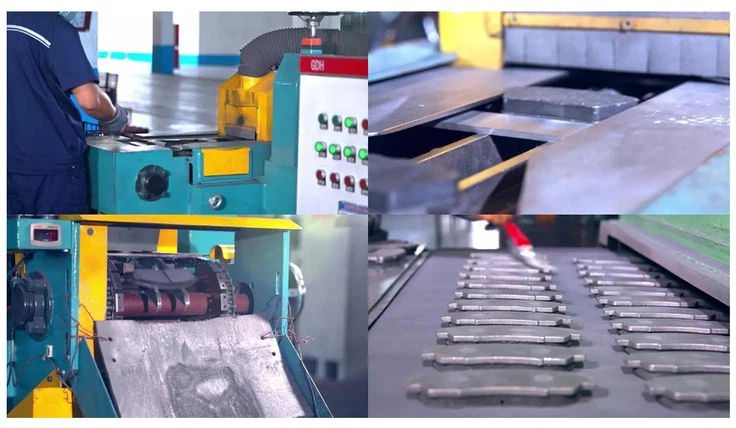
Our Factory
Shandong Best Auto Parts Co., Ltd. is a brake pad manufacturer located in Shandong, China. The factory was established in 2015. We focus on the production of car brake pads, brake shoes and truck brake pads, brake lining. As an OEM brake pad and brake shoe manufacturer and supplier, we currently have more than 3,000 models of production molds and maintain more than 2,000 models in stock, we have been committed to providing high-quality and reliable products. Our formulas are asbestos-free, dust-free, noise-free, and have long service life, and are trusted by customers. At the same time, we are also actively exploring the market. Our team is full of professional knowledge and experience, and we will provide high-quality after-sales service and will do our best to meet customer needs.


FAQ
We're well-known as one of the leading truck brake pads manufacturers and suppliers in China. Please rest assured to buy cheap truck brake pads for sale here from our factory. For price consultation, contact us.
use of truck brake pads, discounted truck brake pads, truck brake pad retailer