

For many car owners, the experience of hearing those unsettling "squeak, squeak" or "hiss, hiss" noises when applying the brakes is all too familiar, and it's not just an old car problem-new vehicles can be culprits too. Abnormal wear often accompanies braking noise, as these sounds are typically related to the contact surfaces involved in the braking process. But before you point the finger at your brake pads, consider this: the culprits behind brake noises are not always what they seem to be!
So, what should you do when faced with this situation? The primary components affected by braking are the brake pads, calipers, and rotors. Consequently, unusual braking noises are typically caused by these three parts, either individually or in combination.
It's a common misconception to blame the brake pads for all the noise. However, the reality is far more nuanced than that! The truth is, not all braking sounds originate from the pads. Let's debunk this myth and explore the various sources of brake noises to better understand and address the issue.
The Science Behind Braking
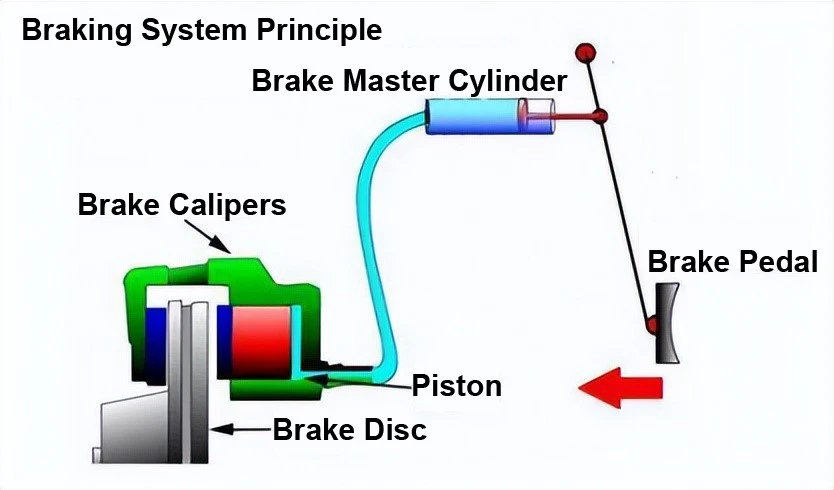
When you press down on the brake pedal, the brake fluid in the master cylinder applies pressure, which is transmitted through the lines to the pistons in the calipers at each wheel. These pistons then squeeze the brake pads against the brake rotor, slowing the vehicle down.
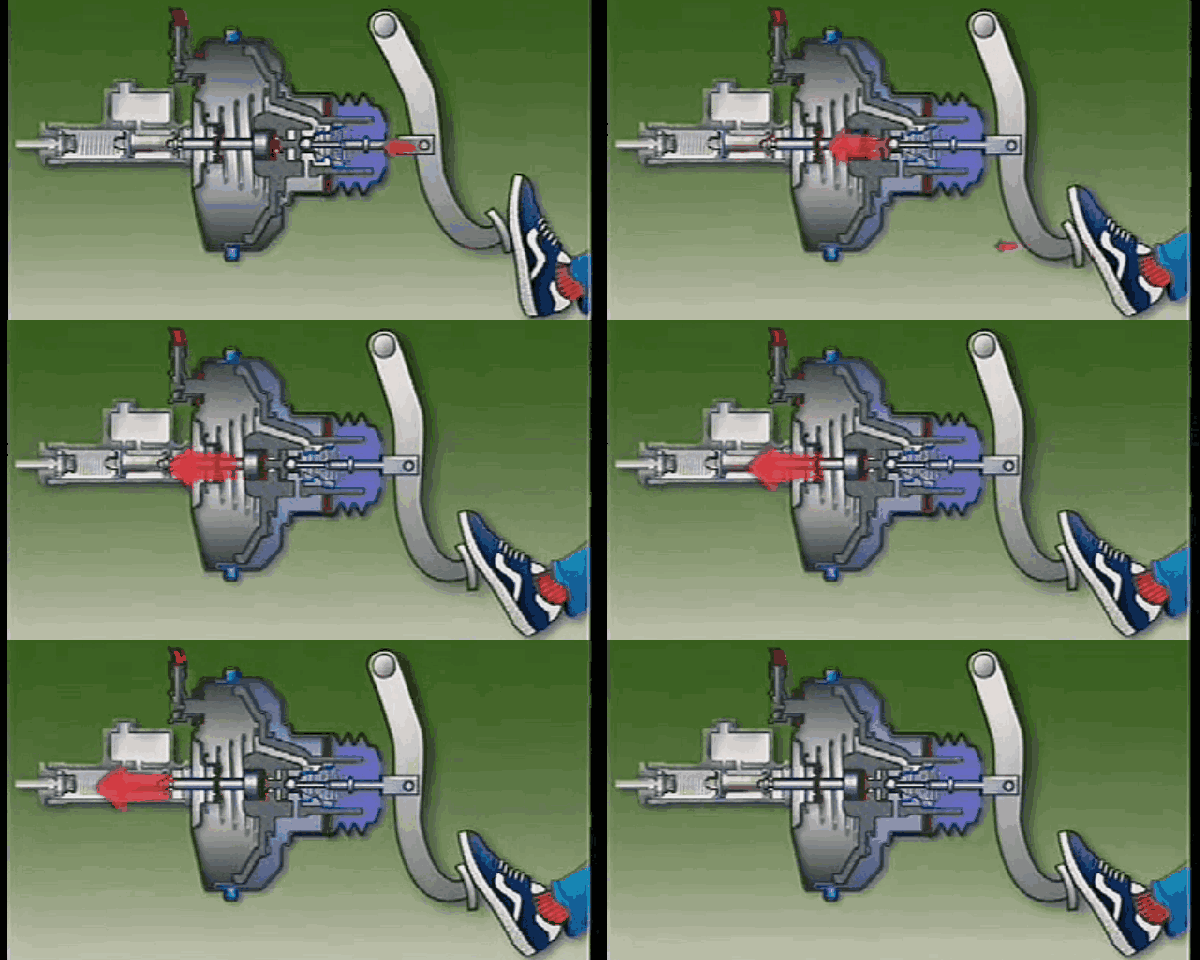
In essence, braking relies on the friction generated by the caliper pressing the brake pads against the brake rotor.
So, what causes those pesky brake noises, and how can you address them?
Break-in Period Noises
New brake pads, when first installed, have incomplete contact surfaces with the rotor, which can lead to suboptimal braking performance. This improves as the pads bed in over time.
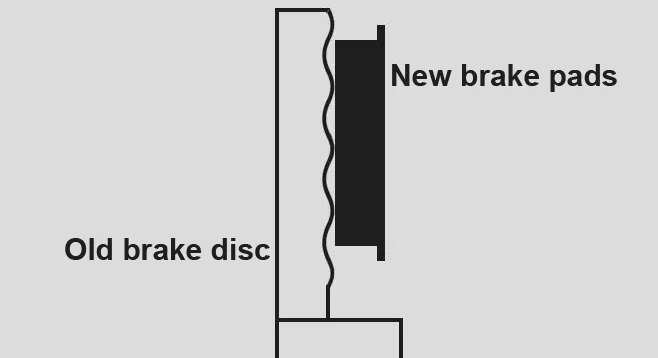
Solution: After installing new brake pads, pump the brake pedal several times before setting off to eliminate any initial play. Avoid hard or continuous braking for the first 200 kilometers to allow the pads to settle in.
Debris on the Brake Pads
High temperatures at the brake rotor can cause it to "quench" when it comes into contact with water, leading to hard spots on the surface. These can embed themselves into the brake pads, causing noise and uneven wear.
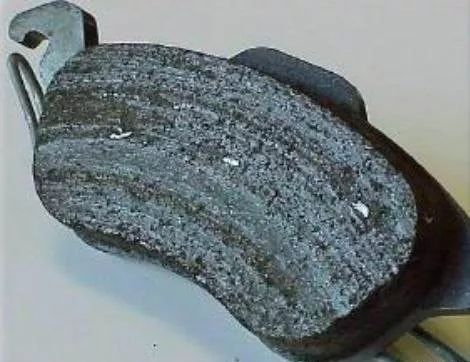
Solution: Inspect, clean, or replace the brake rotors and either grind or replace the brake pads to remove any embedded debris.
Caliper Misalignment and Glazing
Caliper rust or seizure can lead to poor lubrication and misalignment, causing incomplete contact between the pads and rotor, which can result in noise and reduced braking performance.
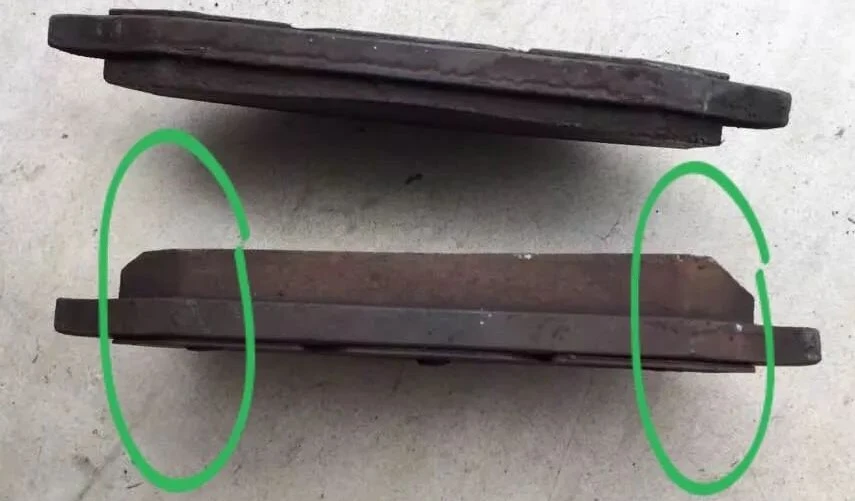
Solution: Check the brake calipers and guide pins for proper movement, and ensure the pads move freely in their carriers. Perform a thorough brake system service and replace the pads as needed.
Excessive Brake Rotor Wear
As your vehicle accumulates mileage, so does the wear on your brake pads. If the pads are replaced before the rotors, the new pads can rub against the worn rotors, causing noise.
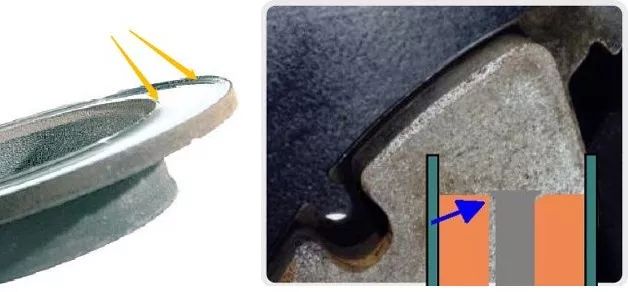
Solution: Inspect the rotors for excessive wear, and replace them if necessary. Ensure that the new pads are compatible with the existing rotors.
High-Temperature Braking
Prolonged braking, especially on long downhill grades, can cause the brake pads to overheat, leading to friction material degradation or adhesive failure.
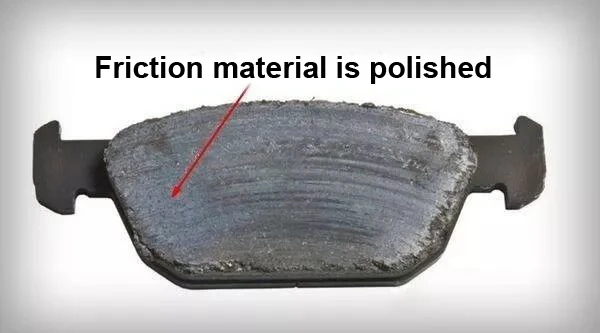
Solution: Check the caliper return springs and perform a brake system service. Replace the brake pads and, if necessary, the rotors.
Cold-Weather Braking Noises
In damp weather, the brake rotor can develop an oxide layer, which can cause noises during braking as the contact surface between the pad and rotor changes.
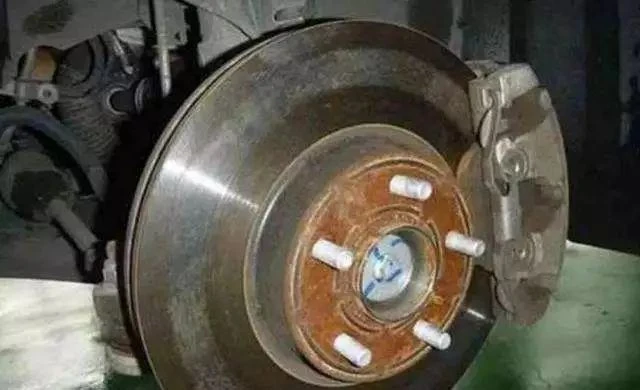
Solution: After several applications, the oxide layer will wear down, and the noise should subside as the pad and rotor surfaces reestablish full contact.
Brake Pad Material Quality
Poorly manufactured brake pads with large metal particles or those that are too hard can cause noises due to their stiffness.

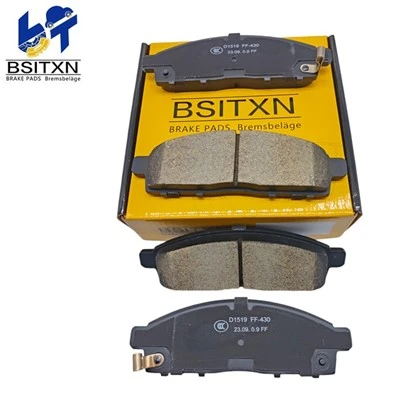
Solution: Avoid low-quality pads and opt for those produced by reputable manufacturers.
High Coefficient of Friction
A pad with a friction coefficient that's too high can cause it to cut into the rotor like a knife, and if the pad's stiffness matches the rotor's, resonance can occur, generating noise.
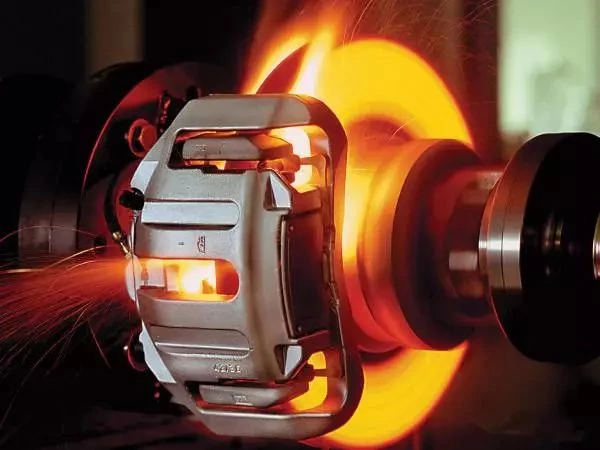
Solution: Replace the pads and rotors with ones that have the correct friction ratings to prevent resonance.
Complete Wear of Brake Pads
Check if the pads are worn down to the metal. Severe wear can damage the rotors.
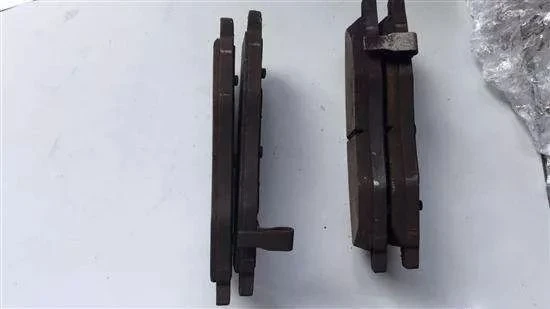
Solution: Inspect and replace the pads and, if necessary, the rotors.
A Word of Caution
Brake pads are consumables that directly impact your safety. It's crucial to inspect and replace them regularly. If you encounter any of the following situations, inspect and replace your brake pads:
When the pad thickness falls below the manufacturer's minimum standard.
When the wear indicator on the pad contacts the rotor.
If your dashboard displays a brake pad replacement warning (in some car models).
If the pads are contaminated with oil or grease.
If the pads show abnormal wear.
By understanding the common causes of brake noises and how to address them, you can keep your vehicle's braking system in top shape, ensuring a safe and smooth ride.