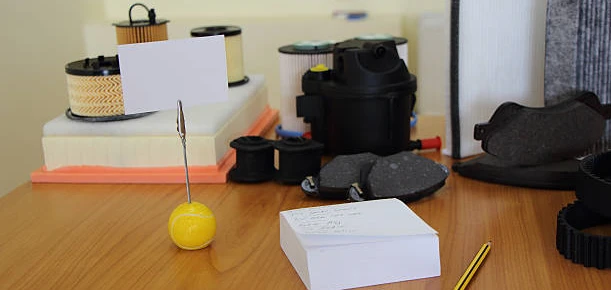
Friction Coefficient: A Key Performance Indicator
The friction coefficient is the ultimate measure of performance for any friction material, directly influencing braking capability. During braking, heat generated from friction raises the working temperature of brake components, leading to a decline in the friction coefficient. This reduction can diminish braking force and overall effectiveness. Ordinary brake pads may suffer from high friction coefficients that cause directional instability during braking, while excessive temperatures can lead to "burning" of the pads and even scratching of the brake discs. High-quality brake pads maintain a friction coefficient of 0.45 to 0.55 even at temperatures reaching 650°C, ensuring reliable braking performance while addressing the shortcomings of conventional pads.
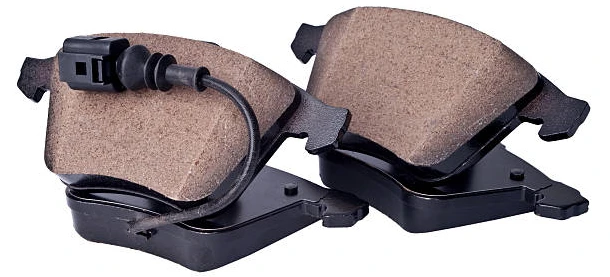
Comfort and Noise Reduction
Among comfort metrics, vehicle owners often prioritize noise levels produced by brake pads. Noise arises from abnormal friction between the brake pads and discs, influenced by factors such as braking force, disc temperature, vehicle speed, and environmental conditions. This has been a persistent issue with traditional brake pads that is rarely resolved.
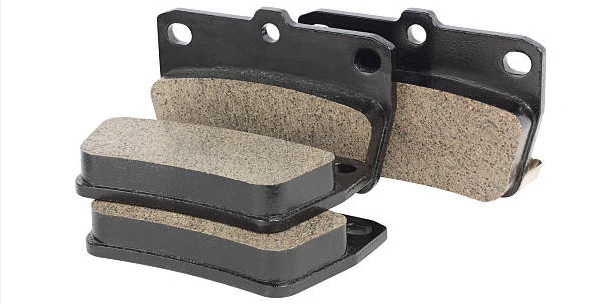
Superior Material Properties
Ceramic or NAO organic brake pads utilize advanced materials like large-particle graphite, potassium titanate, and high-temperature-resistant minerals or synthetic fibers. These materials provide high-temperature resistance, wear stability, noise reduction, environmental friendliness, and extended lifespan, overcoming the material and process limitations of traditional pads, thus representing the cutting-edge of brake pad technology.
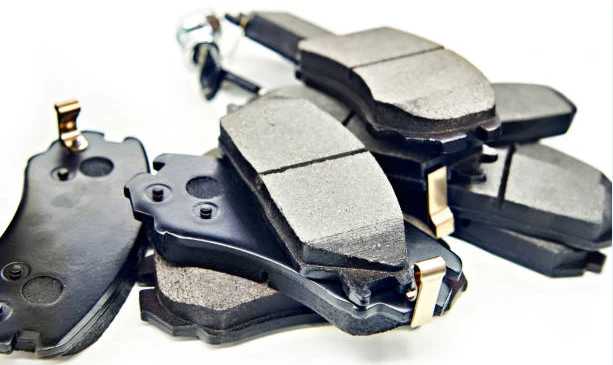
Extended Lifespan
Lifespan is a critical concern for many drivers; standard brake pads typically last around 40,000 kilometers, while ceramic or NAO organic pads can exceed 80,000 kilometers. Their unique formulations, containing only 1-2 types of electrostatic powders, ensure that any wear particles are carried away by airflow rather than adhering to the wheel rims, maintaining aesthetic appeal. These materials can enhance lifespan by over 50%, and using ceramic or NAO pads can increase the lifespan of brake discs by up to 20% by preventing scratches.
Mechanical Strength and Physical Performance
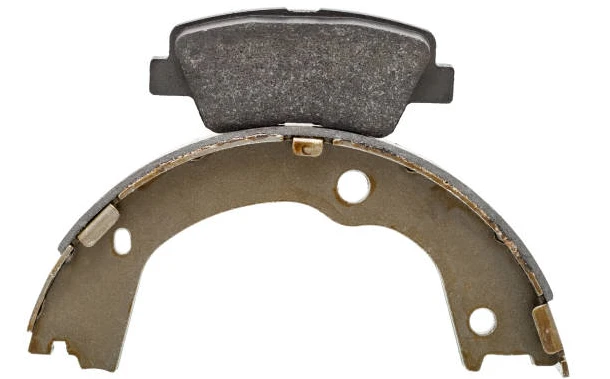
Before installation, friction material products may require machining, such as drilling and assembly, to form brake pads. Therefore, sufficient mechanical strength is crucial to withstand significant pressure and shear forces, ensuring durability during both manufacturing and use.
Low Thermal Fade Characteristics
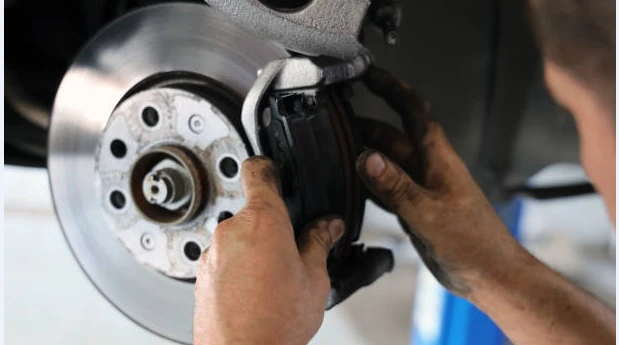
Brake pads-whether disc, drum, or specialized types-must demonstrate consistent braking performance under prolonged use, high-load conditions, and rapid braking, maintaining effectiveness even at elevated temperatures.