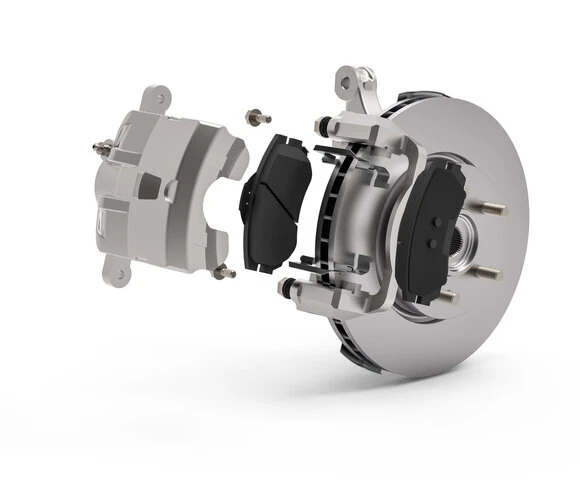
Brake pads are a critical component of vehicle safety, and over time, they can experience wear and tear, leading to performance issues. Addressing brake pad problems promptly is essential to ensure safe driving conditions. Below are common brake pad issues, along with simple diagnostic tips and solutions to help vehicle owners manage unexpected problems.
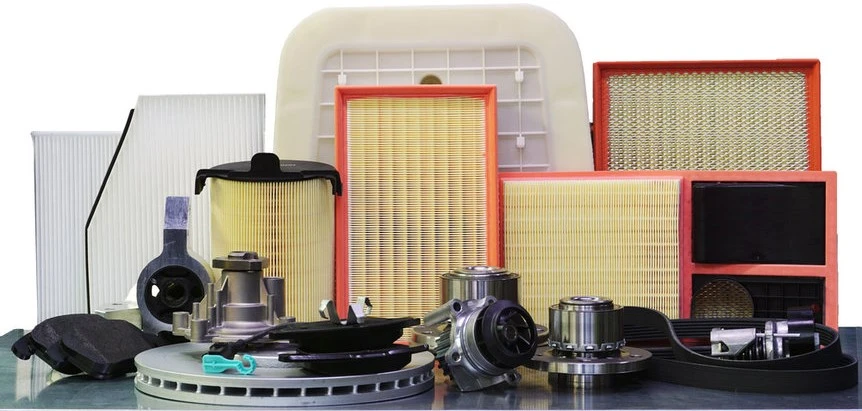
1. Brake Noise
Possible Causes:
Excessive brake pad wear
Poor contact between brake pads and brake rotors
Improper brake pad installation
Solutions:
Inspect the brake pads for wear and replace them if they are excessively worn.
Check the surface of the brake rotors; if they are uneven or damaged, repair or replace them as needed.
Reinstall the brake pads properly to ensure correct alignment and secure fitting.
2. Brake Failure or Reduced Brake Performance
Possible Causes:
Insufficient brake fluid
Overly worn brake pads
Leaks in the brake system
Solutions:
Check the brake fluid level and refill it to the recommended range if necessary.
Inspect the brake pads for wear and replace them if they are excessively worn.
Check the brake system for leaks, repair any found, and refill the system with fresh brake fluid.
3. Unusual Brake Pad Noises
Possible Causes:
Uneven brake pad surface
Debris between brake pads and brake rotors
Inappropriate brake pad materials
Solutions:
Grind or replace the brake pads to ensure a smooth, even surface.
Remove any debris trapped between the brake pads and brake rotors.
Replace the brake pads with materials that are suitable for the specific vehicle.
4. Premature Brake Pad Wear
Possible Causes:
Low-quality brake pads
Mismatch between brake pads and brake rotors
Incorrect installation of brake pads
Solutions:
Choose high-quality, reliable brake pad brands.
Ensure the brake pads match the specifications and requirements of the brake rotors.
Reinstall the brake pads correctly, ensuring proper alignment and secure attachment.
5. Excessive Heat Build-up in Brake Pads
Possible Causes:
Poor friction between brake pads and rotors
Inadequate heat dissipation in the braking system
Inappropriate brake pad selection
Solutions:
Check the friction between the brake pads and rotors; if poor, grind or replace the parts as necessary.
Improve the braking system's heat dissipation to ensure the brake pads cool down properly.
Select brake pads that are suitable for the vehicle's specific requirements and driving conditions.
The issues and solutions mentioned above are general guidelines. For more complex brake system problems, it is recommended to consult a professional automotive technician to ensure a thorough inspection and repair, ensuring the safety of your vehicle.
Regular brake system maintenance and addressing issues promptly can prevent major failures. Understanding these common brake pad problems and solutions can help drivers avoid unnecessary risks and ensure a safe driving experience.