

Organic disc brake pads are a popular choice in the automotive industry due to their unique properties and environmental friendliness. As a supplier of organic disc brake pads, I am often asked about the materials used in their production. In this blog post, I will delve into the various materials that go into making these essential automotive components.
Organic Fibers
One of the primary materials in organic disc brake pads is organic fibers. These fibers are typically derived from natural sources such as aramid, cellulose, and glass. Aramid fibers, known for their high strength and heat resistance, are commonly used in high - performance organic brake pads. They can withstand the intense friction and heat generated during braking, ensuring consistent performance.
Cellulose fibers, on the other hand, are more environmentally friendly and cost - effective. They are made from plant materials and provide good friction characteristics. Glass fibers are also used to enhance the structural integrity of the brake pads. They add stiffness and help the brake pads maintain their shape under pressure.
Resins
Resins play a crucial role in binding the different materials together in organic disc brake pads. Phenolic resins are the most commonly used type. These resins have excellent heat resistance and adhesion properties. They can withstand the high temperatures generated during braking without breaking down, which is essential for the longevity and performance of the brake pads.
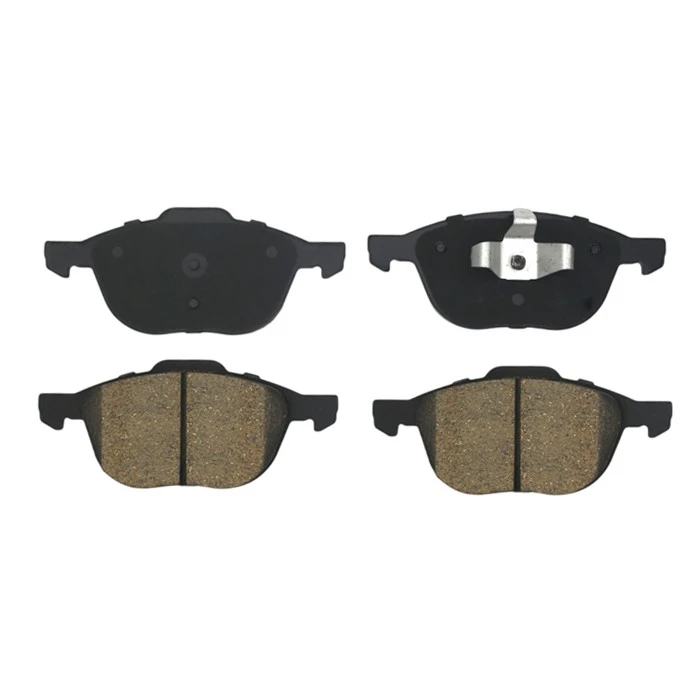
During the manufacturing process, the resins are mixed with the organic fibers and other additives. The mixture is then compressed and heated to form the brake pad. The choice of resin can significantly affect the performance of the brake pads, including their friction coefficient, wear rate, and noise level.
Friction Modifiers
Friction modifiers are added to organic disc brake pads to adjust their friction characteristics. These materials can either increase or decrease the friction coefficient depending on the desired performance. For example, graphite is a common friction modifier that is used to reduce noise and improve the smoothness of braking. It acts as a lubricant between the brake pad and the rotor, preventing excessive wear and reducing the likelihood of squealing.
Metallic powders such as copper, iron, and aluminum can also be used as friction modifiers. However, in recent years, there has been a growing trend towards Copper Free Brake Pads due to environmental concerns. Copper can be harmful to the environment when it is released into waterways during the wear and tear of brake pads.
Fillers
Fillers are another important component of organic disc brake pads. They are used to adjust the density, hardness, and thermal conductivity of the brake pads. Materials such as barite, mica, and calcium carbonate are commonly used as fillers. Barite, for example, is a heavy mineral that can increase the density of the brake pad, which in turn can improve its braking performance.

Mica is a natural mineral that has good thermal insulation properties. It helps to dissipate heat away from the brake pad, preventing overheating and reducing the risk of brake fade. Calcium carbonate is a cost - effective filler that can also improve the wear resistance of the brake pads.
Advantages of Organic Disc Brake Pads
Organic disc brake pads offer several advantages over other types of brake pads. Firstly, they are generally quieter than metallic brake pads. The organic materials and friction modifiers used in their production help to reduce noise and vibration during braking, providing a more comfortable driving experience.
Secondly, organic brake pads are less abrasive to the brake rotors. This means that they cause less wear and tear on the rotors, which can save money on rotor replacement in the long run. Additionally, organic brake pads are more environmentally friendly compared to some other types of brake pads, especially those that contain high levels of heavy metals.

Applications of Organic Disc Brake Pads
Organic disc brake pads are widely used in a variety of vehicles, including passenger cars, light trucks, and some high - performance vehicles. They are suitable for everyday driving conditions where smooth and quiet braking is desired. In addition, they are often used in vehicles that require a more environmentally friendly braking solution.
For those in the automotive industry looking for high - quality Auto Spare Parts Brake Pads, organic disc brake pads are an excellent choice. They offer a good balance of performance, durability, and environmental friendliness.
Specialized Organic Brake Pads
In addition to the standard organic disc brake pads, there are also specialized types available. For example, Abrasive Coating Brake Pads are designed with a special coating that can provide enhanced initial bite and improved braking performance. These pads are often used in high - performance applications where quick and powerful braking is required.
Quality Control in Material Selection
As a supplier of organic disc brake pads, quality control in material selection is of utmost importance. We carefully source our materials from reliable suppliers to ensure that they meet the highest standards. Each batch of materials is tested for quality, including its chemical composition, physical properties, and performance characteristics.
We also conduct extensive testing on the finished brake pads to ensure that they meet or exceed industry standards. This includes testing for friction coefficient, wear rate, noise level, and heat resistance. By maintaining strict quality control measures, we can provide our customers with brake pads that are reliable, safe, and perform well in a variety of conditions.
Conclusion
In conclusion, organic disc brake pads are made from a combination of organic fibers, resins, friction modifiers, and fillers. Each material plays a specific role in determining the performance, durability, and environmental friendliness of the brake pads. As a supplier, we are committed to using high - quality materials and advanced manufacturing processes to produce organic disc brake pads that meet the needs of our customers.
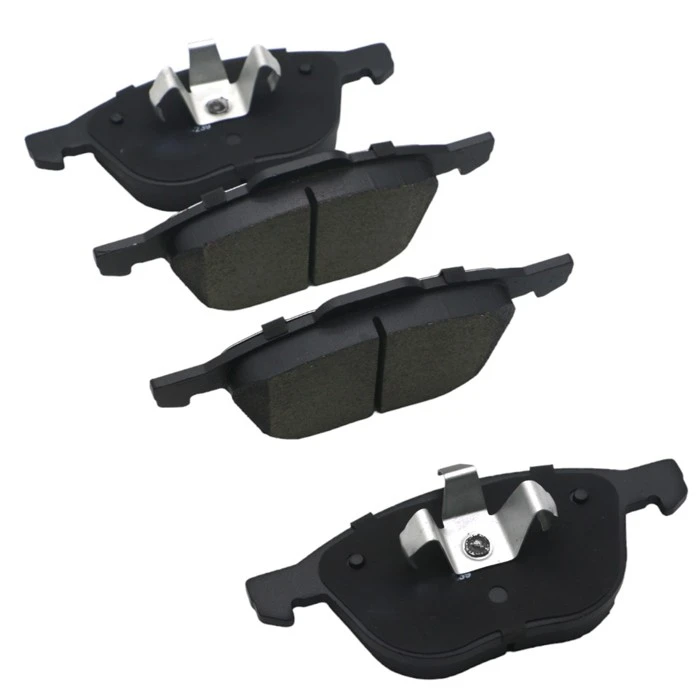
If you are interested in purchasing organic disc brake pads or would like to discuss your specific requirements, please feel free to contact us for further information and to start a procurement negotiation. We look forward to working with you to provide the best braking solutions for your vehicles.
References
- "Brake Pad Materials and Their Performance" - Automotive Engineering Journal
- "Environmental Impact of Brake Pad Materials" - Environmental Science Review
- "Advances in Organic Brake Pad Technology" - Journal of Automotive Research