

Hey there! I'm an organic disc brake pads supplier, and today I wanna chat about whether organic disc brake pads can be used on commercial vehicles. It's a question I get a lot, so let's dig into it.

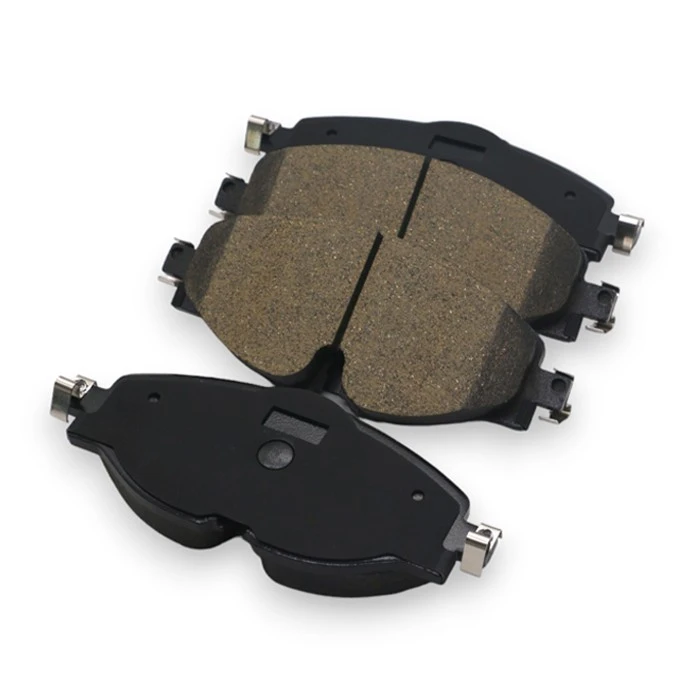
First off, let's talk about what organic disc brake pads are. These pads are made from a mix of materials like rubber, glass, and resin. They're known for being quiet, producing less dust, and being easy on the brake rotors. Sounds great, right? But can they cut it on commercial vehicles?
Commercial vehicles, such as trucks, buses, and delivery vans, have some unique demands. They're heavier, carry more weight, and are often used for long - haul trips or in stop - and - go traffic. This means their brakes need to be able to handle a lot of stress and heat.
One of the main advantages of organic disc brake pads is their quiet operation. For commercial vehicles that are used in urban areas or around people, this can be a huge plus. No one wants a noisy truck rumbling through the neighborhood. You can check out our [Noise - reducing Brake Pads](/brake - pads/car - brake - pads/noise - reducing - brake - pads.html) which use organic materials to achieve that quiet ride.
Another benefit is the low dust production. Organic pads don't shed as much dust as some other types of brake pads. This is not only good for keeping the wheels clean but also for the environment. Less dust means less particulate matter in the air.
However, there are also some challenges. Organic disc brake pads have a lower heat tolerance compared to other types, like semi - metallic or ceramic pads. Commercial vehicles generate a lot of heat when braking, especially when going downhill or making frequent stops. If the organic pads get too hot, they can start to fade, which means they lose their braking effectiveness.
The wear rate can also be an issue. Organic pads tend to wear out faster than some of the more heavy - duty options. For commercial vehicles that are on the road all the time, this could mean more frequent pad replacements, which can be a hassle and an added cost.
But don't write off organic disc brake pads just yet. There are certain types of commercial vehicle applications where they can work really well. For example, in light - duty commercial vehicles like small delivery vans or shuttle buses that don't carry extremely heavy loads and mostly operate in city traffic at lower speeds. In these situations, the heat generated during braking is not as extreme, and the advantages of organic pads, like quiet operation and low dust, can be fully utilized.
Let's also compare organic pads with some other types of brake pads commonly used in the industry. [Sinter Brakes](/brake - pads/car - brake - pads/sinter - brakes.html) are known for their high - performance and durability. They're made by sintering metal particles together, which gives them excellent heat resistance and braking power. But they can be noisier and produce more dust compared to organic pads.

[Friction Brake Pads](/brake - pads/car - brake - pads/friction - brake - pads.html) come in different materials, including organic. Friction is what makes the brakes work, and organic friction materials offer a smooth and consistent braking feel. But again, their performance can be limited in high - heat situations.
When considering using organic disc brake pads on commercial vehicles, it's important to look at the specific needs of the vehicle. Factors like the weight of the load, the typical driving conditions (city vs. highway), and the frequency of stops all play a role.
If you're a commercial vehicle owner or operator, you might be wondering how to make the decision. Here are some things to think about. First, assess your vehicle's usage. If you're mostly doing short trips in the city with light loads, organic pads could be a great choice. But if you're hauling heavy loads on long, hilly routes, you might want to consider a more heavy - duty option.
It's also a good idea to talk to your mechanic. They can give you some real - world advice based on their experience with different types of vehicles and brake pads. And of course, as a supplier, I'm here to help too. I can provide you with all the information you need about our organic disc brake pads, including their performance specifications and compatibility with different commercial vehicle models.
In conclusion, while organic disc brake pads have their limitations when it comes to commercial vehicles, they can still be a viable option in certain situations. Their quiet operation and low dust production make them attractive, but you need to balance these benefits against their lower heat tolerance and potentially faster wear rate.

If you're interested in learning more about our organic disc brake pads or want to discuss whether they're suitable for your commercial vehicles, I'd love to have a chat. Just reach out, and we can start a conversation about your specific needs. Let's find the best braking solution for your fleet together.
References
- "Brake Pad Materials and Their Performance Characteristics" - Automotive Engineering Journal
- "Commercial Vehicle Braking Systems: A Comprehensive Guide" - Transportation Research Institute