

Hey there, fellow car enthusiasts and industry folks! As a supplier of handbrake brake shoes, I often get asked about the recommended thickness for these crucial components. So, I thought I'd take a deep dive into this topic and share some insights that'll hopefully clear up any confusion you might have.
First off, let's talk about why the thickness of handbrake brake shoes matters. The handbrake, also known as the parking brake, plays a vital role in keeping your vehicle stationary when parked. It works by applying friction to the brake drums or discs, preventing the wheels from turning. Over time, the brake shoes wear down due to this friction, and if they get too thin, they won't be able to provide sufficient stopping power. This can lead to your vehicle rolling away, which is obviously a huge safety hazard.
So, what's the recommended thickness for handbrake brake shoes? Well, it depends on a few factors, such as the type of vehicle, the driving conditions, and the manufacturer's specifications. In general, most manufacturers recommend replacing the brake shoes when they reach a thickness of around 1/8 to 1/4 of an inch. However, it's always a good idea to check your vehicle's owner's manual for the specific recommendations for your make and model.
Another important factor to consider is the type of brake shoes you're using. There are two main types of handbrake brake shoes: drum brake shoes and disc brake shoes. Drum brake shoes are typically used in older vehicles and some heavy-duty applications, while disc brake shoes are more commonly found in modern cars. The recommended thickness for these two types of brake shoes can vary slightly.
For drum brake shoes, the recommended thickness is usually around 1/8 to 3/16 of an inch. This is because drum brakes rely on a larger surface area of the brake shoes to create friction, so they can tolerate a slightly thinner lining. However, if the brake shoes get too thin, they can cause the brake drums to overheat and warp, which can lead to further problems down the line.
On the other hand, disc brake shoes typically have a recommended thickness of around 1/4 to 3/8 of an inch. Disc brakes are more efficient at dissipating heat, so they can handle a thicker lining without overheating. However, if the brake shoes get too thin, they can cause the brake pads to wear down unevenly, which can lead to a noisy and less effective braking system.
It's also worth noting that the recommended thickness for handbrake brake shoes can vary depending on the driving conditions. If you do a lot of stop-and-go driving, or if you frequently drive in hilly or mountainous areas, your brake shoes will wear down more quickly than if you do mostly highway driving. In these cases, it's a good idea to check your brake shoes more frequently and replace them as needed.
So, how do you know when it's time to replace your handbrake brake shoes? There are a few signs to look out for. One of the most obvious signs is a squealing or grinding noise when you apply the handbrake. This is usually a sign that the brake shoes are worn down and need to be replaced. Another sign is a soft or spongy feeling when you apply the handbrake. This could indicate that there's air in the brake lines or that the brake shoes are worn down.
If you notice any of these signs, it's important to have your brake shoes checked by a professional mechanic as soon as possible. They can inspect the brake shoes and determine if they need to be replaced. In some cases, they may also be able to resurface the brake drums or discs to extend the life of the brake shoes.
As a handbrake brake shoes supplier, I understand the importance of providing high-quality products that meet the needs of our customers. That's why we offer a wide range of handbrake brake shoes for different types of vehicles and applications. Whether you're looking for Automobile Brake Shoes, Semi Truck Drum Brake Shoes, or Rear Disc Parking Brake Shoes, we've got you covered.
Our brake shoes are made from high-quality materials and are designed to provide reliable performance and long-lasting durability. We also offer competitive pricing and fast shipping, so you can get the brake shoes you need when you need them.
If you're in the market for handbrake brake shoes, I encourage you to contact us to discuss your specific needs. Our team of experts can help you find the right brake shoes for your vehicle and provide you with all the information you need to make an informed decision. We're committed to providing our customers with the best possible service and support, and we look forward to working with you.
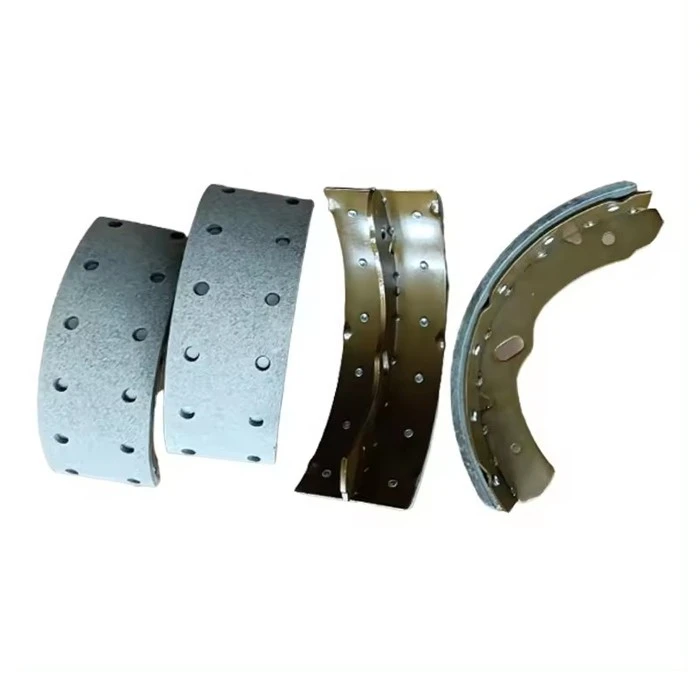
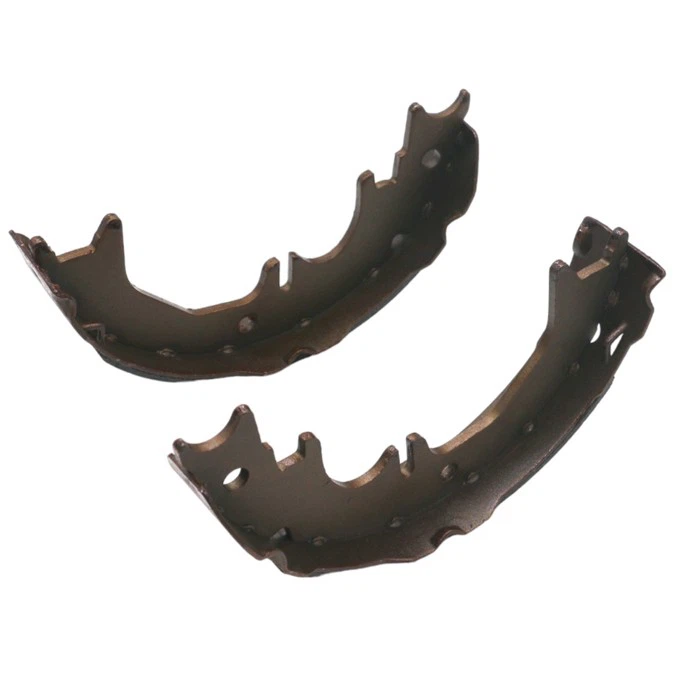
In conclusion, the recommended thickness for handbrake brake shoes depends on a few factors, such as the type of vehicle, the driving conditions, and the manufacturer's specifications. In general, most manufacturers recommend replacing the brake shoes when they reach a thickness of around 1/8 to 1/4 of an inch. However, it's always a good idea to check your vehicle's owner's manual for the specific recommendations for your make and model. If you notice any signs of worn brake shoes, such as a squealing or grinding noise or a soft or spongy feeling when you apply the handbrake, it's important to have them checked by a professional mechanic as soon as possible. And if you're in the market for handbrake brake shoes, don't hesitate to contact us to discuss your specific needs. We're here to help you keep your vehicle safe and reliable.
References:
- Vehicle Owner's Manuals
- Automotive Repair Manuals
- Industry Standards and Guidelines