

Hey there, fellow car enthusiasts! I'm here as a supplier of slotted brake pads, and I often get asked this question: "Can I install slotted brake pads myself?" Well, let's dive right into it and find out.
First off, let's talk a bit about slotted brake pads. These bad boys are designed to offer better braking performance compared to regular brake pads. The slots on the surface help to dissipate heat more effectively, which reduces the risk of brake fade. Brake fade is when your brakes start to lose their stopping power because they've gotten too hot. With slotted brake pads, you can maintain consistent braking performance, especially during high - stress driving situations like racing or heavy towing.
Now, back to the main question: Can you install them yourself? The short answer is yes, you can. But it's not as simple as just popping them in. You need to have a basic understanding of your car's braking system and some essential tools.
What You'll Need
- Tools: You'll need a jack and jack stands to lift your car safely. A lug wrench to remove the wheels, a C - clamp to compress the brake caliper piston, a socket set to remove the caliper bolts, and a torque wrench to tighten everything to the correct specifications.
- Knowledge: It's crucial to know how your car's braking system works. You should understand the difference between the front and rear brakes, and how the caliper, rotor, and brake pads interact.
The Installation Process
- Safety First: Park your car on a flat surface and engage the parking brake. Loosen the lug nuts on the wheels you're working on, but don't remove them yet. Then, use the jack to lift the car and place the jack stands under the appropriate lifting points. Make sure the car is stable before removing the lug nuts and taking off the wheels.
- Remove the Old Brake Pads: Locate the caliper, which is the part that holds the brake pads against the rotor. Use the socket set to remove the caliper bolts. Be careful not to let the caliper hang by the brake hose; you can use a piece of wire to support it. Once the caliper is off, you can remove the old brake pads.
- Compress the Caliper Piston: Use the C - clamp to compress the caliper piston. This will make room for the new, thicker brake pads. Make sure to do this slowly and evenly to avoid damaging the piston or the caliper.
- Install the New Brake Pads: Put the new slotted brake pads in place. Make sure they fit correctly and are oriented the right way. Then, put the caliper back on and tighten the caliper bolts to the manufacturer's specifications using the torque wrench.
- Reinstall the Wheel: Put the wheel back on and hand - tighten the lug nuts. Lower the car off the jack stands and use the torque wrench to tighten the lug nuts to the correct torque.
Potential Challenges
- Caliper Alignment: If the caliper isn't aligned correctly, the brake pads may not wear evenly, and you could experience uneven braking.
- Brake Fluid Leak: There's a small risk of brake fluid leaking when you're working on the caliper. If you notice any fluid on the ground or a drop in the brake fluid reservoir, you need to address it immediately.
When to Seek Professional Help
If you're not confident in your abilities or if you encounter any problems during the installation process, it's best to take your car to a professional mechanic. They have the experience and tools to handle any issues that may arise.

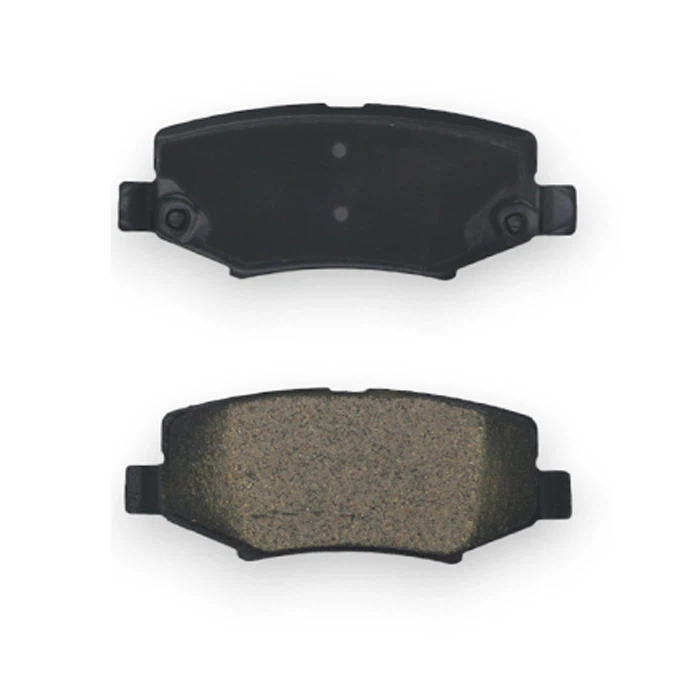
Now, let's talk about the different types of brake pads we offer. We have High Friction Brake Pads, which are great for high - performance driving. These pads provide excellent stopping power and are designed to withstand high temperatures.
Our Semi - metallic Ceramic Brake Pads are a popular choice for everyday drivers. They offer a good balance between performance and durability, and they produce less dust compared to some other types of brake pads.
And for those who need a complete solution for the front brakes, we have the Front Brake Pad Kit. This kit includes everything you need to replace the front brake pads on your car.
So, if you're thinking about installing slotted brake pads yourself, I hope this guide has been helpful. Remember, it's doable, but it requires some effort and knowledge. And if you're not sure, don't hesitate to ask for help.
If you're interested in purchasing our slotted brake pads or any of our other brake products, feel free to reach out to us for a quote. We're always happy to assist you with your brake pad needs. Whether you're a DIY enthusiast or a professional mechanic, we have the right products for you.
References
- "Automotive Braking Systems" by an automotive engineering textbook
- Online car repair forums and communities where DIYers share their experiences