

Hey there! As a truck brake pads supplier, I've seen my fair share of mistakes when it comes to installing these crucial components. In this blog, I'm gonna share some of the most common blunders folks make during the installation process. By the end, you'll have a better idea of what to avoid and how to ensure a proper installation.
1. Skipping the Inspection
One of the biggest mistakes I often see is skipping the inspection of the entire braking system before installing new brake pads. You can't just slap on new pads and expect everything to work perfectly. It's essential to check the brake rotors, calipers, and brake lines.
The rotors should be inspected for wear, scoring, and warping. If the rotors are too worn or damaged, they might need to be resurfaced or replaced. A warped rotor can cause uneven braking and vibrations, which can be dangerous on the road. You can use a micrometer to measure the thickness of the rotors and compare it to the manufacturer's specifications.
Calipers also play a vital role in the braking system. They need to be checked for proper operation. Make sure the caliper pistons are moving freely and there are no signs of leaks. If the calipers are sticking, it can lead to uneven brake pad wear and reduced braking performance. You might need to clean or rebuild the calipers if they're not functioning correctly.
Don't forget about the brake lines. Inspect them for any signs of damage, such as cracks, leaks, or corrosion. A damaged brake line can cause a loss of brake fluid, which will result in a loss of braking power. If you find any issues with the brake lines, they should be replaced immediately.
2. Incorrect Pad Selection
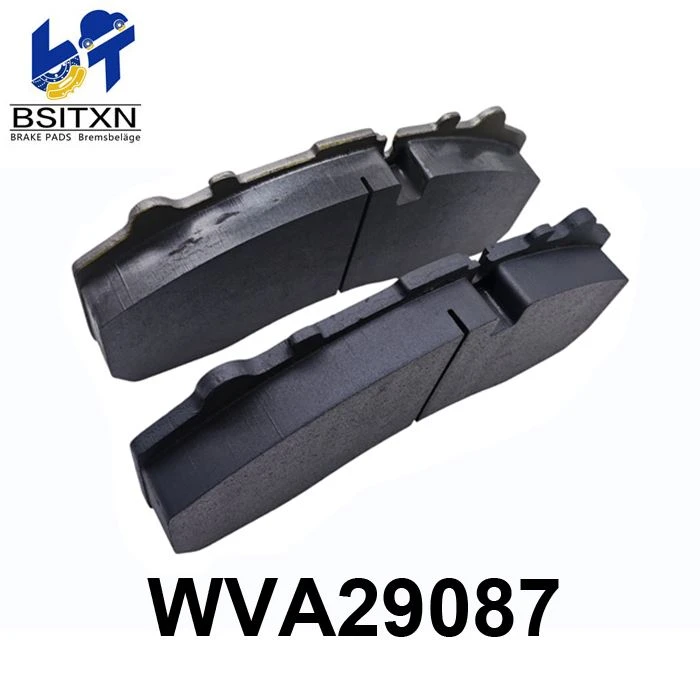
Choosing the wrong brake pads is another common mistake. There are different types of brake pads available, each designed for specific applications. For example, 29087 Truck Brake Pad is designed for certain truck models and driving conditions.
You need to consider factors like the type of truck you have, the driving conditions it will be used in, and your driving style. If you're using your truck for heavy-duty hauling or in stop-and-go traffic, you'll need a more durable and high-performance brake pad. Commercial Brake Pads are a great option for commercial trucks that are used for long hauls and heavy loads.
On the other hand, if you're using your truck for light-duty applications, you might not need such heavy-duty pads. Using the wrong type of pads can lead to premature wear, reduced braking performance, and even safety issues. So, always make sure to choose the right brake pads for your truck.
3. Improper Cleaning
Cleaning the brake components is an important step in the installation process, but it's often overlooked. Before installing the new brake pads, you need to clean the caliper brackets, slide pins, and rotor surfaces.

Use a brake cleaner to remove any dirt, grease, or debris from these components. Grease or oil on the brake pads or rotors can reduce the friction between them, which will result in poor braking performance. Make sure to clean the slide pins thoroughly and apply a small amount of high-temperature grease to them. This will ensure that the calipers can move freely and apply the brakes evenly.
4. Not Following the Installation Instructions
Each set of brake pads comes with its own installation instructions, and it's crucial to follow them carefully. These instructions are provided by the manufacturer for a reason. They include important information like the correct torque specifications for the bolts, the proper way to install the pads, and any special procedures that need to be followed.
Not following the installation instructions can lead to a variety of problems. For example, if you over-tighten the bolts, you can damage the caliper or the brake pads. On the other hand, if you don't tighten the bolts enough, the brake pads might not be held securely in place, which can cause them to move around and make noise.
5. Failing to Bed the Brakes
Bedding the brakes is an important process that many people skip. Bedding, also known as breaking in, the brakes helps to transfer a thin layer of friction material from the brake pads to the rotors. This creates a smooth and even surface for the brakes to work on, which improves braking performance and reduces noise and vibration.
The bedding process typically involves a series of repeated stops from moderate speeds. You should follow the manufacturer's recommended bedding procedure, which usually includes a specific number of stops at different speeds. For example, you might need to make 10 stops from 40 mph to a complete stop, followed by a few high-speed stops. After bedding the brakes, you should avoid heavy braking for the next few hundred miles to allow the brakes to fully settle in.
6. Ignoring Noise and Vibration
If you notice any noise or vibration after installing the new brake pads, don't ignore it. These could be signs of a problem. Noise can be caused by a variety of factors, such as uneven brake pad wear, a loose component, or a problem with the rotors. Vibration can indicate a warped rotor or an issue with the calipers.
If you hear a squealing noise, it could be a sign that the brake pads are worn or that there's a problem with the anti - squeal shims. You might need to check the shims and make sure they're installed correctly. If the noise persists, it's a good idea to have the brakes inspected by a professional.
7. Using Low - Quality Tools
Using low - quality tools during the installation process can also lead to problems. You need to use the right tools, such as a torque wrench, to ensure that the bolts are tightened to the correct specifications. A low - quality torque wrench might not provide accurate readings, which can result in over - or under - tightening the bolts.
Invest in good - quality tools that are designed for brake work. This will make the installation process easier and more accurate, and it will also help to ensure the long - term performance of the brakes.
8. Not Checking for Compatibility
Before installing new brake pads, you need to make sure they're compatible with your truck's braking system. This includes checking the size, shape, and mounting style of the pads. Some trucks might require specific types of brake pads due to their unique braking system design.
For example, Heavy Duty Ceramic Brake Pads might not be compatible with all trucks. You need to check the manufacturer's compatibility list to make sure the pads you're choosing will work with your vehicle.
In conclusion, installing truck brake pads might seem like a straightforward task, but there are many potential pitfalls. By avoiding these common mistakes, you can ensure a proper installation and a safer, more reliable braking system for your truck.
If you're in the market for high - quality truck brake pads or have any questions about the installation process, feel free to reach out. We're here to help you make the right choice and ensure your truck's brakes are in top condition.
References
- General knowledge from years of experience as a truck brake pads supplier.
- Manufacturer's installation instructions and product manuals.