

Hey there, fellow car enthusiasts! I'm a supplier of car rear brake shoes, and I often get asked this question: "Can I install car rear brake shoes on a car with a rear - wheel - drive system?" Well, let's dive right into it.
First off, let's understand what a rear - wheel - drive (RWD) system is. In a RWD car, the engine sends power to the rear wheels, which then propel the vehicle forward. This setup offers better handling and balance, especially in high - performance cars. Now, the braking system in a RWD car is crucial for safety and performance. The rear brakes play a significant role in slowing down and stopping the vehicle.
Car rear brake shoes are an essential part of the drum brake system, which is commonly used in the rear wheels of many cars, including those with RWD systems. But can you just go ahead and install them? The short answer is, in most cases, yes. However, there are a few things you need to consider.
Compatibility
The most important factor is compatibility. Not all rear brake shoes are created equal. You need to make sure that the brake shoes you're planning to install are specifically designed for your car's make, model, and year. Different cars have different drum sizes, shoe configurations, and braking requirements. For example, a high - performance RWD sports car may need brake shoes that can handle more heat and stress compared to a regular family sedan.
You can usually find the right brake shoes by referring to your car's owner's manual or by using an online parts catalog. These resources will provide you with the exact part numbers and specifications you need. As a supplier, I always recommend double - checking the compatibility before making a purchase.
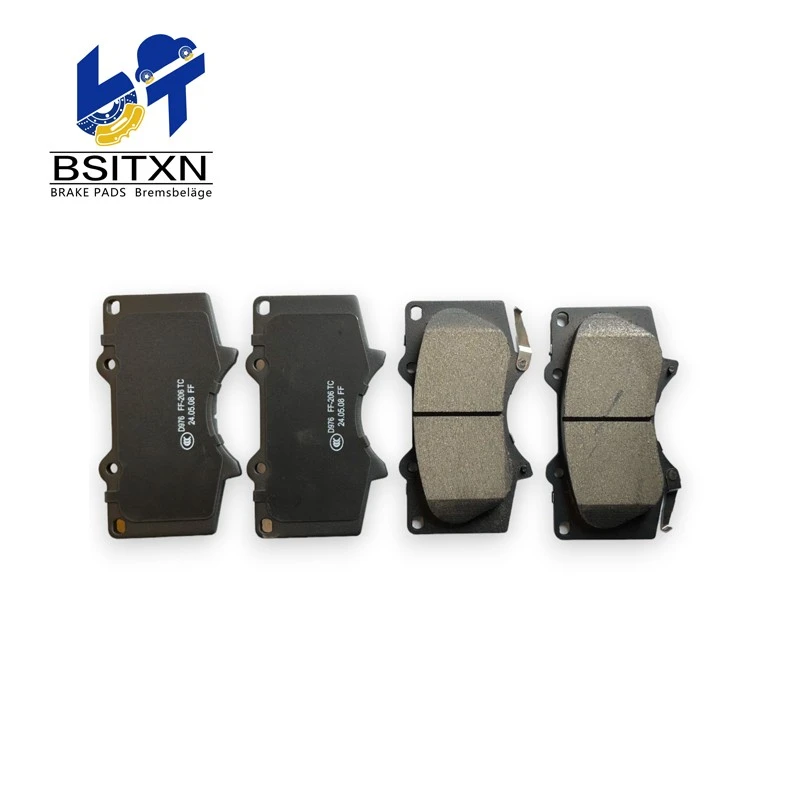

Installation Process
Installing rear brake shoes on a RWD car is not an overly complicated task, but it does require some basic mechanical knowledge and the right tools. Here's a general overview of the installation process:
- Prepare the vehicle: Park your car on a flat surface and engage the parking brake. Loosen the lug nuts on the rear wheels and then lift the car using a jack. Make sure to support the car with jack stands for safety.
- Remove the wheel: Once the car is safely lifted, remove the rear wheel to access the brake drum.
- Remove the brake drum: In some cases, the brake drum may be stuck. You can use a drum puller or gently tap the drum with a hammer to loosen it. Once it's loose, remove the drum.
- Remove the old brake shoes: Take note of how the old brake shoes are installed, including the springs and hardware. Remove the old shoes carefully, making sure not to lose any small parts.
- Install the new brake shoes: Clean the brake drum and the backing plate thoroughly. Then, install the new brake shoes in the same way as the old ones, using the correct springs and hardware. Make sure the shoes are properly aligned and seated in the drum.
- Reinstall the brake drum and wheel: Put the brake drum back on and then reinstall the wheel. Tighten the lug nuts in a star pattern to ensure even tightening.
- Lower the car: Carefully lower the car using the jack and remove the jack stands.
It's important to note that this is just a basic guide, and the actual installation process may vary depending on your car's specific design. If you're not confident in your abilities, it's always a good idea to have a professional mechanic install the brake shoes for you.
Performance and Safety
Once you've installed the new rear brake shoes, you'll notice an improvement in your car's braking performance. New brake shoes provide better stopping power, reduced brake fade, and smoother braking. This is especially important for RWD cars, which often have more power and require more precise braking.
However, it's crucial to break in the new brake shoes properly. This involves driving gently for the first few hundred miles and avoiding hard braking. Breaking in the brake shoes allows them to wear in evenly and form a proper contact surface with the brake drum, which will enhance their performance and longevity.
In terms of safety, having properly installed and functioning rear brake shoes is essential. The rear brakes work together with the front brakes to stop the car safely. If the rear brakes are not working correctly, it can lead to uneven braking, longer stopping distances, and even loss of control. So, make sure to regularly inspect and maintain your brake system to ensure your safety on the road.
Other Brake Pad Options
While we're on the topic of brakes, I'd also like to mention some other brake pad options that you might be interested in. If you're looking for brake pads for other types of vehicles or specific performance needs, check out these links:
- Bus Brake Pads: These are designed for buses and other large vehicles, offering reliable braking performance.
- Yellow Brake Pads: Known for their high - performance characteristics, these pads are great for sports cars and other vehicles that require superior stopping power.
- Silent Guard Brake Pads: These pads are designed to reduce noise and vibration, providing a quiet and smooth braking experience.
Contact for Purchase and Consultation
If you're interested in purchasing car rear brake shoes or have any questions about the installation process, feel free to reach out. As a supplier, I'm here to help you find the right brake shoes for your RWD car and provide you with all the support you need. Whether you're a DIY enthusiast or a professional mechanic, I've got the products and knowledge to meet your needs.
References
- "Automotive Brake Systems" by James D. Halderman
- Car owner's manuals for various makes and models