

Organic disc brake pads are a popular choice among vehicle owners due to their environmental friendliness, quiet operation, and smooth braking performance. However, many people wonder how these brake pads perform in cold weather conditions. As a leading supplier of organic disc brake pads, I'm here to share some insights on this topic.

Understanding Organic Disc Brake Pads
Before delving into their performance in cold weather, let's first understand what organic disc brake pads are. Organic brake pads are made from a combination of natural materials such as rubber, carbon, glass, and Kevlar fibers, along with a resin binder. These materials are compressed and molded into the shape of the brake pad.
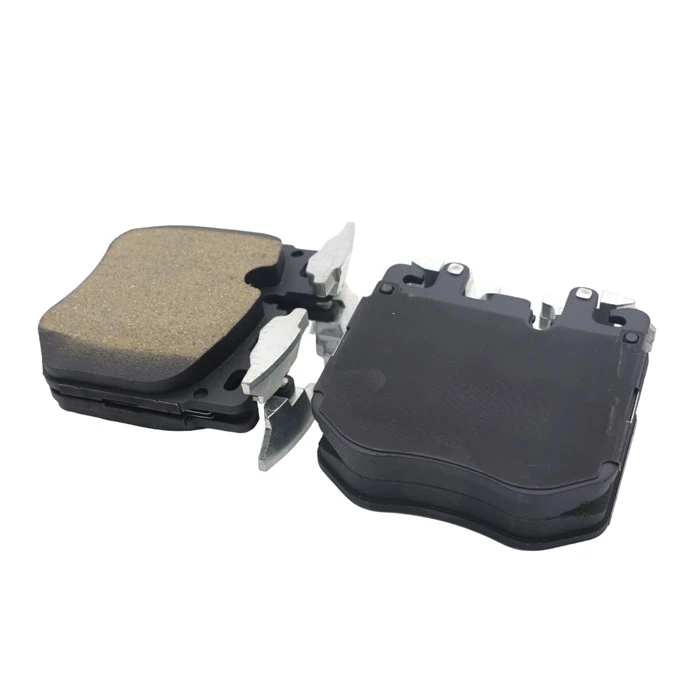
One of the main advantages of organic brake pads is their low noise level. The soft materials used in their construction reduce the amount of vibration and noise generated during braking, providing a more comfortable driving experience. Additionally, organic brake pads are less abrasive to the brake rotors, which can extend the lifespan of both the pads and the rotors.
Cold Weather and Brake Performance
Cold weather can have a significant impact on the performance of brake pads. As the temperature drops, the physical properties of the brake pad materials change, which can affect their friction coefficient and braking efficiency.
Friction Coefficient
The friction coefficient is a measure of how well the brake pad grips the rotor to slow down or stop the vehicle. In cold weather, the friction coefficient of organic brake pads tends to decrease. This is because the organic materials in the brake pads become stiffer and less flexible at low temperatures, reducing their ability to conform to the surface of the rotor. As a result, the braking force may be reduced, and the vehicle may take longer to stop.
Heat Generation
Another factor that affects brake performance in cold weather is heat generation. Braking generates heat, which is necessary to activate the friction material in the brake pads. In cold weather, it takes longer for the brake pads to reach the optimal operating temperature. This means that during the initial braking, the brake pads may not provide full braking power until they have heated up sufficiently.
Moisture and Corrosion
Cold weather often comes with moisture in the form of rain, snow, or ice. Moisture can accumulate on the brake pads and rotors, leading to corrosion and reduced braking performance. Organic brake pads are more porous than some other types of brake pads, which means they can absorb moisture more easily. This can further reduce the friction coefficient and increase the risk of brake fade.
Performance of Organic Disc Brake Pads in Cold Weather
Despite the challenges posed by cold weather, organic disc brake pads can still perform well under certain conditions.
Gradual Braking
One of the keys to getting good performance from organic brake pads in cold weather is to use gradual braking. By applying the brakes gently at first, you can allow the brake pads to heat up gradually and reach their optimal operating temperature. This will help to improve the friction coefficient and ensure more effective braking.
Preheating the Brakes
If you know you'll be driving in cold weather, you can preheat the brakes before you start driving. This can be done by lightly applying the brakes a few times while the vehicle is stationary. This will help to warm up the brake pads and rotors, improving their performance when you start driving.
Quality of the Brake Pads
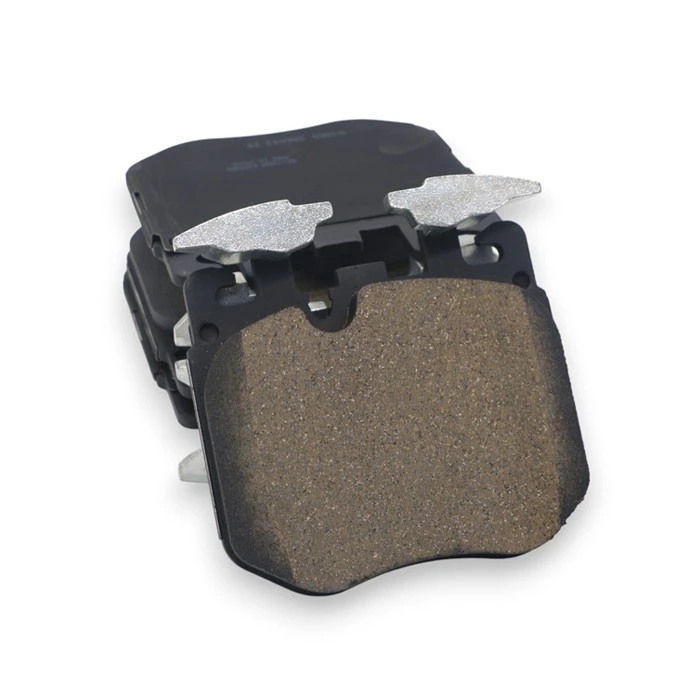
The quality of the organic brake pads also plays a crucial role in their performance in cold weather. High-quality organic brake pads are designed to maintain their friction coefficient over a wide range of temperatures, including cold weather. At our company, we offer Non Asbestos Organic Brake Pads that are made from premium materials and are engineered to provide reliable braking performance in all weather conditions.
Comparing Organic Brake Pads with Other Types
To better understand the performance of organic brake pads in cold weather, it's helpful to compare them with other types of brake pads, such as semi-metallic and low-dust semi-metallic brake pads.
Semi-Metallic Brake Pads
Semi-metallic brake pads are made from a combination of metal fibers, such as steel and copper, along with other materials. These brake pads tend to have a higher friction coefficient than organic brake pads, especially in cold weather. The metal fibers in semi-metallic brake pads are better able to conduct heat, which allows them to reach their optimal operating temperature more quickly. However, semi-metallic brake pads can be noisier and more abrasive to the brake rotors than organic brake pads. You can explore our Low Dust Semi Metallic Brake Pads for more information.
Motorcraft Front Brake Pads
Motorcraft front brake pads are designed specifically for Ford vehicles. These brake pads are available in different formulations, including organic and semi-metallic. The performance of Motorcraft front brake pads in cold weather depends on the specific formulation. Organic Motorcraft brake pads offer the same advantages as other organic brake pads, such as low noise and reduced rotor wear, but may have slightly reduced performance in cold weather compared to semi-metallic versions. Check out our Motorcraft Front Brake Pads for details.
Tips for Maintaining Organic Disc Brake Pads in Cold Weather
To ensure the best performance of your organic disc brake pads in cold weather, here are some maintenance tips:
- Regular Inspections: Have your brakes inspected regularly, especially before the cold weather sets in. A professional mechanic can check the condition of the brake pads, rotors, and other components and make any necessary repairs or replacements.
- Keep the Brakes Dry: Whenever possible, keep your vehicle in a dry place to prevent moisture from accumulating on the brake pads and rotors. If your brakes get wet, you can dry them out by gently applying the brakes while driving at a low speed.
- Use Quality Brake Fluid: Brake fluid plays a crucial role in the braking system. Make sure to use high-quality brake fluid that is suitable for cold weather conditions. Brake fluid should be changed regularly according to the manufacturer's recommendations.
Conclusion
In conclusion, organic disc brake pads can perform well in cold weather with proper care and maintenance. While they may have some limitations compared to other types of brake pads, such as a lower friction coefficient in cold temperatures, they still offer many advantages, including low noise, reduced rotor wear, and environmental friendliness.
If you're looking for high-quality organic disc brake pads that can perform well in all weather conditions, including cold weather, we're here to help. Our team of experts can provide you with the right brake pads for your vehicle and answer any questions you may have. Contact us today to start a discussion about your brake pad needs and explore our wide range of products.

References
- "Brake Pad Materials and Their Performance." Automotive Brake Systems Handbook.
- "Cold Weather Effects on Brake Performance." SAE International Journal of Passenger Cars - Mechanical Systems.