

Measuring the width of rear truck brake pads is a crucial task for ensuring the safety and performance of trucks. As a rear truck brake pads supplier, I understand the significance of accurate measurements in providing the right products to our customers. In this blog post, I will share the methods and tools for measuring the width of rear truck brake pads, as well as the importance of these measurements in the trucking industry.
Why Measuring the Width of Rear Truck Brake Pads is Important
Before delving into the measurement process, it's essential to understand why measuring the width of rear truck brake pads matters. The width of the brake pads directly affects the braking performance of the truck. If the brake pads are too narrow, they may not provide sufficient contact area with the brake rotor, resulting in reduced braking force and longer stopping distances. On the other hand, if the brake pads are too wide, they may rub against the sides of the brake caliper, causing excessive wear and potential damage to the braking system.
Accurate measurements also ensure that the brake pads fit properly within the brake caliper. A proper fit is crucial for the even distribution of braking force and the prevention of uneven wear on the brake pads and rotors. This not only extends the lifespan of the braking components but also enhances the overall safety of the truck.
Tools Required for Measuring Rear Truck Brake Pads
To measure the width of rear truck brake pads, you will need the following tools:
- Vernier Caliper: A vernier caliper is a precision measuring instrument that can measure the width of the brake pads with high accuracy. It consists of a main scale and a sliding vernier scale, which allows for measurements up to 0.02 mm or 0.001 inches.
- Micrometer: A micrometer is another precision measuring tool that can provide even more accurate measurements than a vernier caliper. It is particularly useful for measuring very small widths or thicknesses.
- Brake Pad Template: A brake pad template is a pre - cut piece of material that matches the shape and size of the brake pad. It can be used as a quick reference to check if the brake pad width is within the acceptable range.
Step - by - Step Guide to Measuring Rear Truck Brake Pads
Here is a step - by - step guide on how to measure the width of rear truck brake pads:
Step 1: Prepare the Truck
Park the truck on a level surface and engage the parking brake. If possible, lift the rear of the truck using a jack and secure it with jack stands. This will provide easier access to the rear brake components.
Step 2: Remove the Wheel
Loosen the lug nuts on the rear wheel using a lug wrench. Once the lug nuts are loose, use the jack to lift the wheel off the ground and remove the lug nuts completely. Carefully remove the wheel and set it aside.
Step 3: Locate the Brake Pads
The brake pads are located inside the brake caliper, which is mounted on the brake rotor. You may need to remove the caliper bolts using a socket wrench to access the brake pads. Be careful not to damage the brake lines or other components when removing the caliper.
Step 4: Measure the Width of the Brake Pads
Take your vernier caliper or micrometer and open the jaws wide enough to fit around the brake pad. Place the jaws of the measuring tool across the widest part of the brake pad. Make sure the tool is perpendicular to the surface of the brake pad for an accurate measurement.
Read the measurement on the scale of the vernier caliper or micrometer. If you are using a vernier caliper, align the zero mark on the vernier scale with the main scale and read the value on the main scale. Then, find the line on the vernier scale that aligns perfectly with a line on the main scale and add the corresponding value to the main scale reading.
If you are using a micrometer, simply read the value on the thimble and sleeve of the micrometer.
Step 5: Compare the Measurement with the Specifications
Refer to the truck's service manual or the brake pad manufacturer's specifications to determine the correct width for the rear truck brake pads. Compare your measurement with the specified width. If the measured width is within the acceptable tolerance range, the brake pads are likely to be in good condition. If the width is outside the tolerance range, the brake pads may need to be replaced.

Step 6: Reassemble the Brake Components
Once you have completed the measurement, reassemble the brake components in the reverse order of disassembly. Make sure all the bolts are tightened to the specified torque using a torque wrench. Reinstall the wheel and tighten the lug nuts in a star pattern to ensure even tightening.

Common Challenges in Measuring Rear Truck Brake Pads
Measuring the width of rear truck brake pads can present some challenges, especially in older trucks or those with complex braking systems. Here are some common challenges and how to overcome them:
- Limited Access: In some trucks, the brake pads may be difficult to access due to the design of the brake caliper or other components. In such cases, you may need to use specialized tools or remove additional parts to gain better access to the brake pads.
- Worn or Damaged Brake Pads: If the brake pads are worn or damaged, it may be difficult to get an accurate measurement. In such cases, it is recommended to replace the brake pads before taking the measurement.
- Measurement Errors: Human error can also lead to inaccurate measurements. To minimize measurement errors, make sure to use the measuring tools correctly and take multiple measurements to ensure consistency.
Importance of Quality Brake Pads
As a rear truck brake pads supplier, I know that the quality of the brake pads is of utmost importance. High - quality brake pads are made from durable materials that can withstand the high temperatures and pressures generated during braking. They also provide better braking performance, longer lifespan, and reduced noise and vibration.
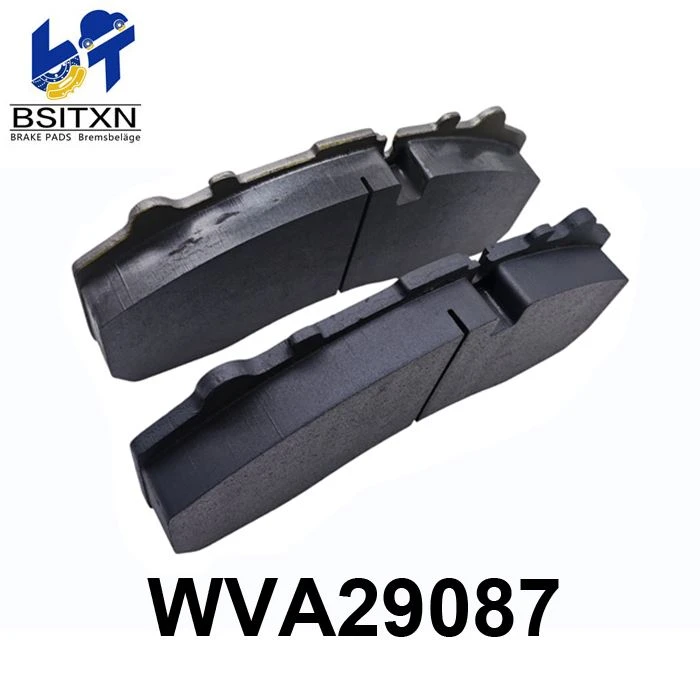
At our company, we offer a wide range of Rear Truck Brake Pads that are designed to meet the highest standards of quality and performance. Our Transit Van Brake Pads are specifically engineered for transit vans, providing reliable braking in various driving conditions. We also have the 29087 Truck Brake Pad, which is a popular choice for many truck models.
Contact Us for Your Brake Pad Needs
If you are in the market for high - quality rear truck brake pads, we invite you to contact us for a detailed discussion. Our team of experts is ready to assist you in selecting the right brake pads for your specific truck model and requirements. Whether you are a fleet manager, a truck owner, or a mechanic, we can provide you with the best solutions for your braking needs.
References
- Bosch, Automotive Brake Systems Handbook, 2018.
- Hayes, R., Brake System Diagnosis and Service, 2020.
- SAE International, Recommended Practices for Brake Pad Design and Testing, 2019.