

As a trusted supplier of transit van brake pads, I understand the critical importance of ensuring these components are in top - notch condition. The braking system is the lifeblood of any vehicle, and transit vans are no exception. In this blog, I'll share some key indicators that can help you determine if your transit van brake pads are worn out.
Visual Inspection
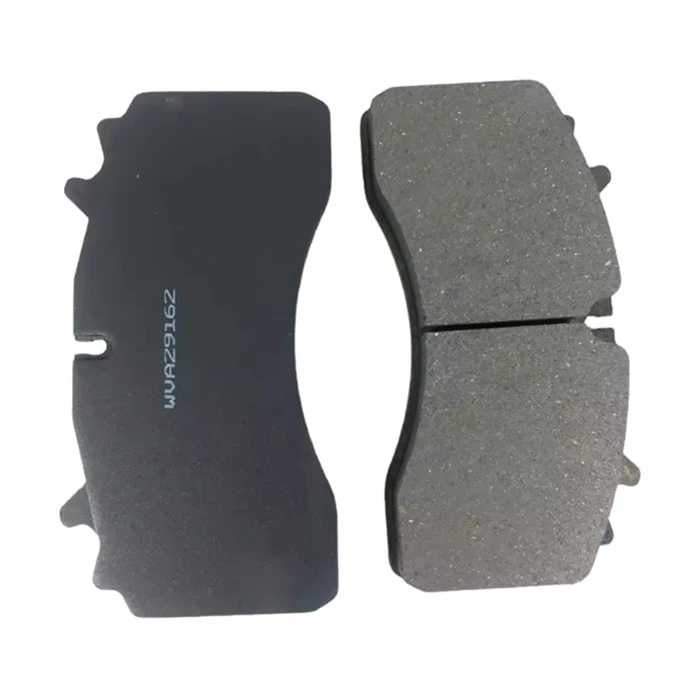
One of the most straightforward ways to check the condition of your brake pads is through a visual inspection. You don't need to be a professional mechanic to do this. First, you'll need to locate the brake calipers. In most transit vans, you can access them by removing the wheels. Once you have a clear view of the brake calipers, look at the brake pads.
Brake pads typically have a metal backing plate and a friction material. New brake pads usually have a friction material thickness of around 12 - 15 millimeters. As the pads wear down, this thickness decreases. A general rule of thumb is that if the friction material is less than 3 millimeters thick, it's time to replace the brake pads. You can use a simple ruler to measure the thickness accurately.
If you notice that the friction material is unevenly worn, it could also be a sign of a problem. Uneven wear might indicate issues with the brake calipers, such as a sticking piston, or problems with the brake lines. In such cases, not only do you need to replace the worn - out brake pads, but you also need to address the underlying issue to prevent premature wear in the future.
Squealing or Squeaking Noises
One of the most common signs that your transit van brake pads are worn out is the presence of high - pitched squealing or squeaking noises when you apply the brakes. Most modern brake pads are equipped with a wear indicator. This is a small piece of metal that is designed to make contact with the brake rotor when the brake pads reach a certain level of wear.
When the wear indicator touches the rotor, it creates a high - pitched noise. This is a built - in warning system to let you know that it's time to replace the brake pads. However, it's important to note that not all squealing or squeaking noises are due to worn - out brake pads. Sometimes, dirt, debris, or moisture on the brake pads or rotors can also cause these noises. But if the noise persists over time, it's likely that the brake pads are indeed worn.
Grinding Noises
If you start to hear a grinding noise when you apply the brakes, this is a serious sign that your brake pads are extremely worn out. When the friction material on the brake pads is completely gone, the metal backing plate of the brake pad will come into direct contact with the brake rotor. This metal - to - metal contact creates a harsh grinding noise.
Not only is this extremely dangerous because it significantly reduces your vehicle's braking performance, but it can also cause severe damage to the brake rotors. Once the rotors are damaged, they may need to be resurfaced or even replaced, which is a much more expensive repair compared to just replacing the brake pads. So, if you hear grinding noises, you should stop driving the vehicle immediately and have the brake system inspected.
Reduced Braking Performance
Another tell - tale sign of worn - out brake pads is reduced braking performance. You may notice that your transit van takes longer to stop than usual. When you press the brake pedal, it may feel spongy or require more force to engage the brakes. This could be due to the fact that the worn - out brake pads have less friction material to create the necessary stopping power.
If you experience any of these symptoms, it's important to have your brake system checked as soon as possible. Reduced braking performance is a serious safety issue that can put you, your passengers, and other road users at risk.
Vibration When Braking
Vibration when you apply the brakes can also indicate worn - out brake pads. This vibration is often felt through the brake pedal or the steering wheel. When the brake pads are worn unevenly or have lost their ability to grip the rotors properly, it can cause the vehicle to vibrate during braking.
This vibration may be a sign of warped rotors, which can be caused by excessive heat generated when the brake pads are worn and not functioning correctly. If you feel vibration when braking, it's essential to have your brake system inspected to determine the root cause and take appropriate action.
The Importance of Quality Brake Pads
As a transit van brake pads supplier, I cannot stress enough the importance of using high - quality brake pads. Inferior brake pads may wear out more quickly, leading to frequent replacements and increased maintenance costs. They may also not provide the same level of braking performance as quality brake pads, which can compromise your safety on the road.
At our company, we offer a wide range of Commercial Brake Pads, including Bus Front Brake Pads and Commercial Vehicle Brake Pads. Our brake pads are made from high - quality materials that are designed to withstand the rigors of daily use and provide reliable braking performance.
Conclusion
Regularly checking the condition of your transit van brake pads is essential for your safety and the longevity of your vehicle's braking system. By being aware of the signs of worn - out brake pads, such as visual wear, strange noises, reduced braking performance, and vibration, you can take proactive steps to replace the brake pads before they cause serious problems.
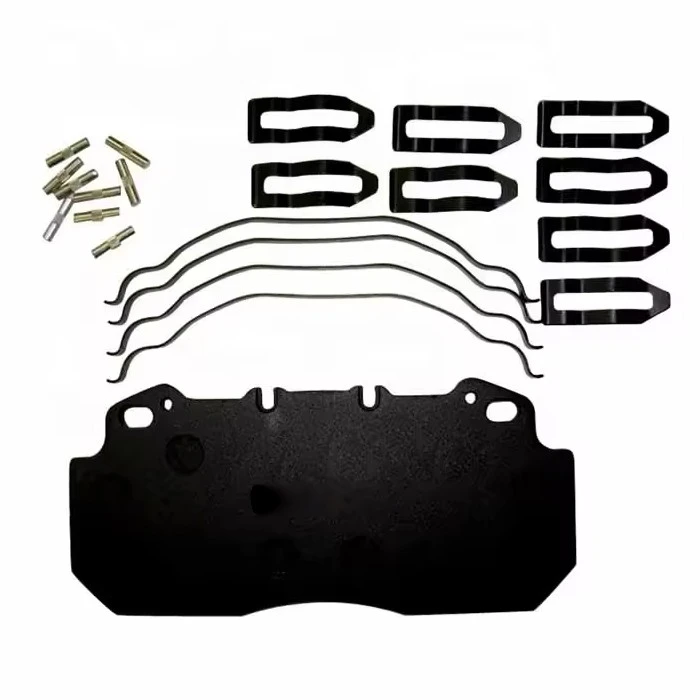
If you're in the market for high - quality transit van brake pads, we're here to help. Our team of experts can provide you with the right brake pads for your specific vehicle and application. Whether you're a fleet manager or an individual vehicle owner, we can offer you the best solutions for your braking needs. Contact us today to start a procurement discussion and ensure your transit van has the reliable braking system it deserves.
References
- "Automotive Brake Systems: Principles and Diagnosis" by Andrew J. Duffy
- "Brake Pad Technology and Performance" published by the Society of Automotive Engineers