

Hey there! I'm a supplier of rear truck brake pads, and I often get asked about how to store these brake pads properly. It's a crucial topic because improper storage can lead to a whole bunch of issues that affect the performance and lifespan of the brake pads. So, let's dive right in and talk about the best ways to store rear truck brake pads.
First off, let's understand why proper storage matters. Rear truck brake pads are made of various materials, including friction materials, backing plates, and sometimes shims. These materials can be sensitive to environmental factors like moisture, temperature, and contaminants. If the brake pads are stored incorrectly, they can develop rust, corrosion, or other forms of damage that can compromise their effectiveness when it comes time to use them.
Ideal Storage Conditions
The ideal storage conditions for rear truck brake pads are relatively simple to achieve, but they do require some attention to detail.
Temperature
Brake pads should be stored in a place where the temperature is stable. Extreme temperatures can cause the materials in the brake pads to expand or contract, which can lead to cracking or warping. A temperature range between 50°F and 80°F (10°C and 27°C) is generally considered ideal. Avoid storing brake pads in areas that are exposed to direct sunlight or near sources of heat, such as furnaces or heaters.

Humidity
Moisture is the enemy of brake pads. High humidity can cause rust and corrosion on the metal parts of the brake pads, such as the backing plates. To prevent this, store brake pads in a dry environment. A humidity level of around 40% to 60% is recommended. If you live in an area with high humidity, you might consider using a dehumidifier in the storage area.
Contaminants
Brake pads should be kept away from contaminants like dirt, dust, oil, and grease. These substances can stick to the friction surface of the brake pads and reduce their braking performance. Store brake pads in a clean, enclosed area, and make sure they are not exposed to any sources of contamination.
Storage Containers
Using the right storage containers is also important. Here are some options:
Original Packaging
The original packaging that the brake pads come in is usually designed to protect them during shipping and storage. It's a good idea to keep the brake pads in their original packaging as long as possible. The packaging is often made of materials that can resist moisture and protect the brake pads from damage.
Sealed Plastic Bags
If the original packaging is damaged or you need to store the brake pads for an extended period, you can use sealed plastic bags. Make sure the bags are large enough to hold the brake pads without squeezing them. Label the bags with the part number and other relevant information so you can easily identify the brake pads later.
Storage Boxes
For larger quantities of brake pads, storage boxes can be a great option. Look for boxes that are made of sturdy materials and have a tight-fitting lid. You can line the boxes with a moisture-absorbing material, such as silica gel packets, to help keep the brake pads dry.
Stacking and Handling
When storing rear truck brake pads, it's important to stack them properly to avoid damage.
Stacking
Don't stack the brake pads too high. Excessive weight on top of the brake pads can cause them to deform. If you need to stack multiple brake pads, make sure they are stacked evenly and that there is enough space between each layer to prevent them from rubbing against each other.
Handling
When handling brake pads, be careful not to drop them or subject them to any sudden impacts. Even a small impact can cause damage to the friction material or the backing plate. Always use clean hands or gloves when handling brake pads to avoid transferring any contaminants to them.
Long-Term Storage
If you need to store rear truck brake pads for a long time, there are a few additional steps you can take.
Inspection
Before storing the brake pads for an extended period, inspect them for any signs of damage or wear. If you notice any issues, it's best to address them before storing the brake pads.
Lubrication
Some brake pads may require lubrication on certain parts, such as the shims or the contact points. Follow the manufacturer's recommendations for lubrication and apply the appropriate lubricant before storing the brake pads.
Rotation
If you have a large inventory of brake pads, it's a good idea to rotate them periodically. This means using the oldest brake pads first and moving the newer ones to the back of the storage area. This helps ensure that the brake pads are used before they reach the end of their shelf life.
Conclusion
Storing rear truck brake pads properly is essential for maintaining their performance and longevity. By following the tips outlined above, you can ensure that your brake pads are in good condition when it's time to use them. Remember, proper storage not only protects the brake pads but also helps you avoid costly repairs and replacements down the road.
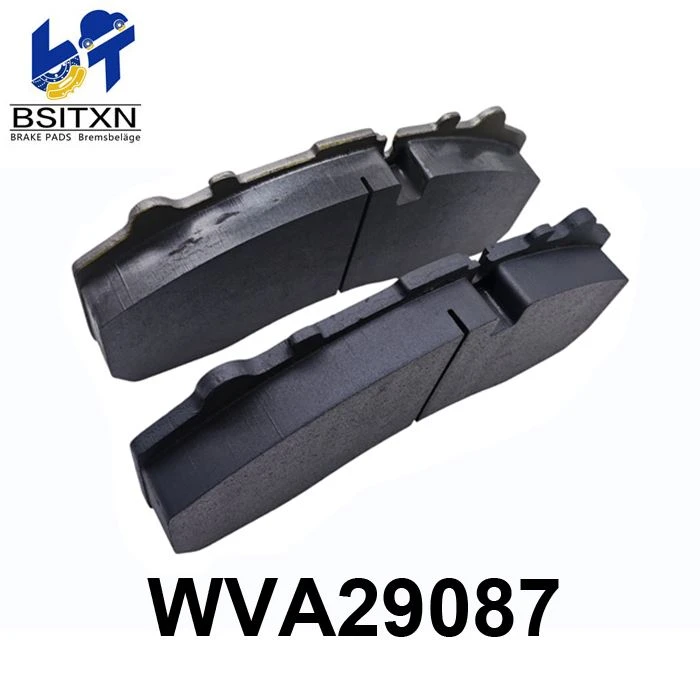
If you're in the market for high-quality rear truck brake pads, check out our Rear Truck Brake Pads selection. We also offer a wide range of Commercial Vehicle Brake Pads, including the popular 29087 Truck Brake Pad. If you have any questions or are interested in purchasing our products, feel free to reach out to us for a procurement discussion.
References
- Automotive Brake Systems Handbook
- Brake Pad Manufacturer's Guidelines