

As a seasoned supplier of brake lining sets, I've had the privilege of witnessing firsthand the critical role that proper packaging plays in ensuring the quality and performance of our products. In this blog post, I'll delve into the intricacies of what a typical brake lining set packaging looks like, exploring the materials, design features, and considerations that go into creating a packaging solution that protects the product and meets the needs of our customers.
The Importance of Packaging for Brake Lining Sets
Before we dive into the details of the packaging itself, it's essential to understand why packaging is so crucial for brake lining sets. Brake linings are precision-engineered components that require careful handling and protection to maintain their integrity. During transportation and storage, they can be exposed to a variety of environmental factors, including moisture, dust, and physical damage. A well-designed packaging solution helps to shield the brake linings from these elements, ensuring that they arrive at their destination in optimal condition.
In addition to protecting the product, packaging also serves as a marketing tool. It provides an opportunity to showcase the brand and communicate important information about the product, such as its features, specifications, and compatibility. A visually appealing and informative package can help to differentiate our brake lining sets from competitors and build trust with customers.
Materials Used in Brake Lining Set Packaging
The choice of materials for brake lining set packaging is driven by several factors, including the level of protection required, the cost, and the environmental impact. Here are some of the most commonly used materials:
Cardboard Boxes
Cardboard boxes are a popular choice for brake lining set packaging due to their affordability, versatility, and recyclability. They can be easily customized to fit the size and shape of the brake linings, and they provide a certain level of cushioning to protect the product from impact. Cardboard boxes can also be printed with branding, product information, and handling instructions, making them an effective marketing tool.
Plastic Bags
Plastic bags are often used in conjunction with cardboard boxes to provide an additional layer of protection against moisture and dust. They are typically made from polyethylene or polypropylene, which are durable and resistant to tearing. Plastic bags can be sealed to keep the brake linings clean and dry, and they can also be printed with product information and barcodes for easy identification.
Foam Inserts
Foam inserts are used to provide cushioning and support for the brake linings inside the packaging. They are typically made from polyurethane or polyethylene foam, which are lightweight and shock-absorbent. Foam inserts can be custom-cut to fit the shape of the brake linings, ensuring that they are held securely in place during transportation and storage.
Corrugated Pads
Corrugated pads are another type of cushioning material that can be used in brake lining set packaging. They are made from layers of corrugated cardboard, which provide a high level of shock absorption and protection against impact. Corrugated pads can be placed between the brake linings and the sides of the packaging to prevent them from shifting or rubbing against each other.
Design Features of Brake Lining Set Packaging
In addition to the materials used, the design of the brake lining set packaging also plays a crucial role in protecting the product and providing a positive customer experience. Here are some of the key design features to consider:
Custom Fit
The packaging should be designed to fit the brake linings snugly, with minimal empty space. This helps to prevent the brake linings from shifting or moving around during transportation, which can cause damage. A custom-fit packaging solution also provides a more professional and polished appearance.
Stackability
Brake lining sets are often shipped and stored in large quantities, so it's important that the packaging is stackable. This allows for efficient use of space and reduces the risk of damage during handling. Stackable packaging should be designed with a stable base and a flat top, and it should be able to withstand the weight of other packages stacked on top of it.

Easy Opening
The packaging should be easy to open, without the need for tools or excessive force. This makes it convenient for customers to access the brake linings and reduces the risk of damage to the product during opening. Easy-opening features can include tear strips, perforations, or snap-lock closures.
Clear Labeling
The packaging should be clearly labeled with important information about the product, such as the part number, description, quantity, and compatibility. This helps customers to quickly identify the brake linings they need and ensures that they are using the correct product for their vehicle. Clear labeling also makes it easier for warehouse staff to pick and pack the orders accurately.
Considerations for Different Types of Brake Lining Sets
The packaging requirements for brake lining sets can vary depending on the type of vehicle they are designed for and the specific application. Here are some considerations for different types of brake lining sets:
Trailer Brake Lining
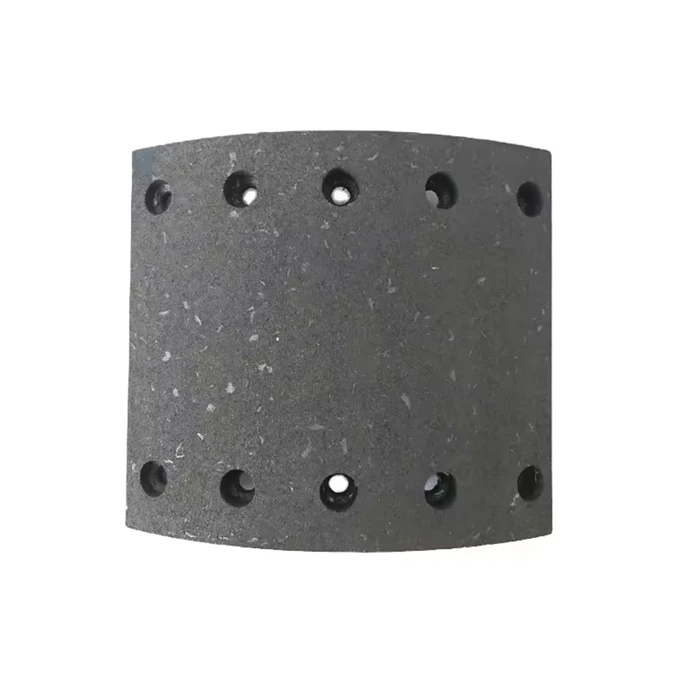
Trailer brake linings are typically larger and heavier than those used in passenger vehicles, so they require a more robust packaging solution. The packaging should be designed to provide adequate protection against impact and vibration during transportation, and it should be able to withstand the rigors of long-distance hauling. Trailer Brake Lining packaging may also need to be stackable to accommodate the large quantities that are often shipped.
Heavy Truck Brake Linings
Heavy truck brake linings are subject to extreme conditions, including high temperatures, heavy loads, and frequent use. As a result, they require a packaging solution that can protect them from these harsh environments. The packaging should be designed to prevent moisture and dust from entering, and it should provide a high level of insulation to protect the brake linings from heat. Heavy Truck Brake Linings packaging may also need to be labeled with special handling instructions to ensure that the product is installed and maintained correctly.
Conclusion
In conclusion, the packaging of a typical brake lining set is a carefully designed and engineered solution that plays a crucial role in protecting the product and ensuring its quality and performance. By using the right materials, incorporating key design features, and considering the specific requirements of different types of brake lining sets, we can create a packaging solution that meets the needs of our customers and helps to build a strong brand reputation.
If you're in the market for high-quality brake lining sets, we invite you to explore our extensive range of products. Our Brake Lining Set offerings are designed to provide reliable performance and long-lasting durability, and they are backed by our commitment to customer satisfaction. Contact us today to learn more about our products and to discuss your specific requirements. We look forward to working with you to meet your brake lining needs.
References
- Automotive Packaging Design Guidelines, Society of Automotive Engineers (SAE)
- Packaging Materials and Their Applications, Packaging Institute of America (PIA)
- Best Practices for Brake Lining Packaging, Brake Manufacturers Council (BMC)