

Can I clean car brake pads instead of replacing them?
As a supplier of car brake pads, I often encounter customers who pose the question: Can I clean car brake pads instead of replacing them? This is a common query that reflects the desire to save costs and extend the lifespan of vehicle components. In this blog post, I'll delve into this topic, exploring the feasibility of cleaning brake pads, when it's appropriate, and when replacement is the better option.

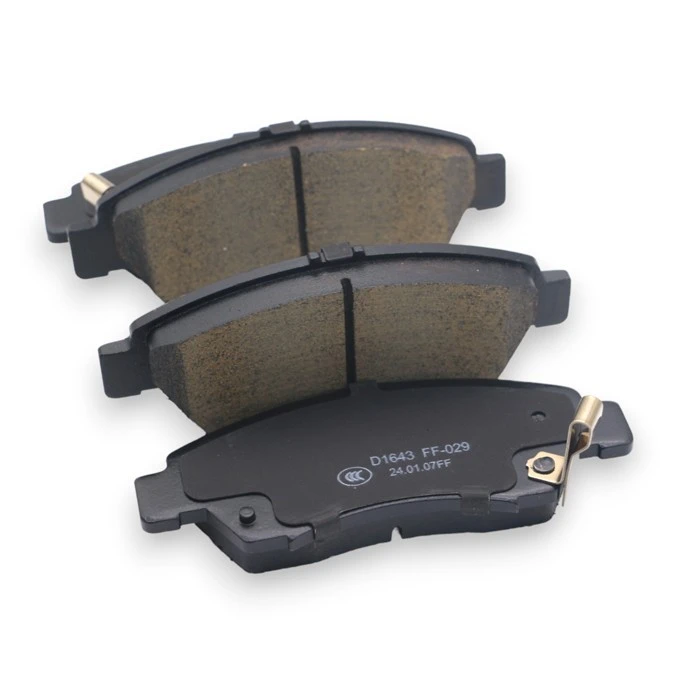
Understanding Car Brake Pads
Before we discuss cleaning versus replacement, it's essential to understand what car brake pads are and how they function. Brake pads are a crucial part of a vehicle's braking system. When you press the brake pedal, the brake caliper squeezes the brake pads against the brake rotor, creating friction. This friction slows down and eventually stops the rotation of the wheels. Over time, the constant friction causes the brake pads to wear down.
Brake pads come in different types, such as semi - metallic, ceramic, and organic. Ceramic Dust Free Brake Pads are popular for their low dust production, quiet operation, and good performance in a variety of driving conditions. Semi - metallic brake pads are known for their durability and high - temperature performance, while organic brake pads are more environmentally friendly and produce less noise.
Reasons for Cleaning Brake Pads
There are certain situations where cleaning brake pads can be a viable option. One of the main reasons is the presence of contaminants. Brake pads can accumulate dirt, dust, grease, and brake dust over time. These contaminants can reduce the friction between the brake pads and the rotor, leading to decreased braking performance.
For example, if you drive in a particularly dusty environment or if your vehicle has been sitting for a long time, dirt can build up on the brake pads. Cleaning the brake pads can remove these contaminants and restore the proper friction, improving braking efficiency. Another scenario is when brake pads are slightly glazed. Glazing occurs when the surface of the brake pad becomes smooth and shiny due to excessive heat. Cleaning the glazed surface can sometimes help to restore the pad's ability to grip the rotor.
How to Clean Brake Pads
If you decide to clean your brake pads, here are the general steps:
- Safety First: Park your vehicle on a flat surface and engage the parking brake. Use wheel chocks to prevent the vehicle from rolling. Wear safety glasses and gloves to protect yourself from brake dust, which can be harmful if inhaled.
- Remove the Wheels: Use a lug wrench to loosen the lug nuts on the wheel. Then, use a jack to lift the vehicle and remove the wheel.
- Locate the Brake Pads: The brake pads are located inside the brake caliper. You may need to remove the caliper to access the pads fully. Follow the vehicle's service manual for the correct procedure.
- Clean the Pads: You can use a brake cleaner spray to remove dirt, grease, and brake dust from the pads. Spray the cleaner onto the pads and use a soft - bristled brush to scrub gently. Make sure to clean both the friction surface and the edges of the pads.
- Clean the Rotor: While you have the wheel off, it's a good idea to clean the brake rotor as well. The rotor can also accumulate contaminants that affect braking performance.
- Reassemble: Once the pads and rotor are clean and dry, reassemble the brake caliper and put the wheel back on. Tighten the lug nuts in a star pattern to ensure even tightening.
Limitations of Cleaning Brake Pads
While cleaning brake pads can be beneficial in some cases, there are significant limitations. One of the most important factors is the wear level of the brake pads. Brake pads have a minimum thickness specification, and once they wear below this level, they need to be replaced. Cleaning worn - out brake pads will not restore their ability to provide adequate braking force.
For instance, if the brake pads are less than 3mm thick, cleaning them will not address the fundamental issue of reduced material for friction. Additionally, if the brake pads are damaged, such as having cracks, chips, or uneven wear, cleaning will not fix these problems. Damaged brake pads can cause uneven braking, vibrations, and even pose a safety risk.
When to Replace Brake Pads
There are several signs that indicate it's time to replace your brake pads:
- Thickness: As mentioned earlier, if the brake pads are worn below the minimum thickness specified by the manufacturer, replacement is necessary.
- Warning Light: Many modern vehicles are equipped with a brake pad wear indicator light on the dashboard. If this light comes on, it's a clear sign that the brake pads need to be replaced.
- Noise: Squealing, screeching, or grinding noises when you apply the brakes can indicate worn - out brake pads. The noise is often caused by a metal wear indicator coming into contact with the rotor.
- Vibration: If you feel a vibration in the brake pedal or steering wheel when braking, it could be due to uneven brake pad wear or other braking system problems.
- Reduced Braking Performance: If you notice that your vehicle takes longer to stop or requires more pressure on the brake pedal, it's likely that the brake pads are no longer functioning properly.
Our Brake Pad Offerings
As a car brake pad supplier, we offer a wide range of high - quality brake pads to meet different customer needs. Our Car Parts Brake Pads Kits come with all the necessary components for a complete brake pad replacement. These kits are designed to be easy to install and provide reliable braking performance.
We also supply Auto Spare Parts Brake Pads that are manufactured to strict quality standards. Whether you need brake pads for a daily commuter vehicle or a high - performance sports car, we have the right products for you.
Conclusion
In conclusion, while cleaning car brake pads can be a useful maintenance step in some situations, it is not a substitute for replacement when the pads are worn out or damaged. Cleaning can help remove contaminants and improve braking performance in the short term, but it cannot address the long - term effects of wear.
If you're unsure whether your brake pads need to be cleaned or replaced, it's always a good idea to consult a professional mechanic. They can inspect your brake system and provide expert advice.
If you're in the market for high - quality car brake pads, we'd love to hear from you. Contact us for more information about our products and to start a procurement discussion. We're committed to providing the best brake pads at competitive prices and excellent customer service.
References
- "Automotive Brake Systems" by Robert Bosch GmbH
- Vehicle service manuals from various manufacturers