Have you ever noticed that the brake pads on the front and rear wheels of a car are different sizes? Typically, the front brake pads are larger. Why is that?
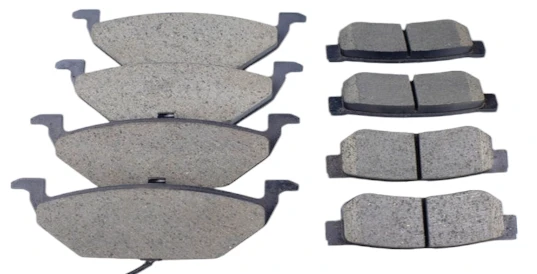
The size of a brake pad is directly related to the size of the brake caliper. Larger brake pads require larger calipers, which in turn apply greater clamping force to the brake rotor. This results in a higher braking torque at the wheel. Therefore, cars are designed with larger brake calipers and pads on the front wheels, indicating that more braking force is applied to the front.
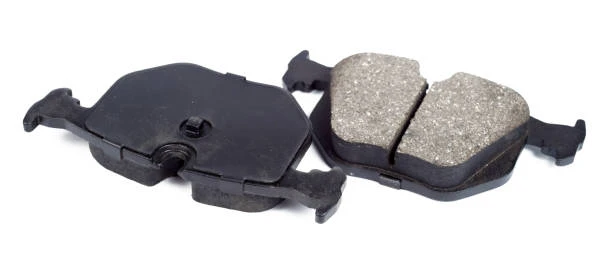
But why do the front wheels need more braking force than the rear?
When a vehicle brakes, inertia causes the vehicle's weight to shift forward, putting more load on the front wheels. This increased load provides greater friction, allowing for more effective braking. By applying more braking torque to the front wheels, this additional load can be fully utilized, enhancing overall braking performance. Conversely, the weight transfer reduces the load on the rear wheels, decreasing tire grip. Applying excessive braking force to the rear wheels can easily lock them up, leading to a skid.
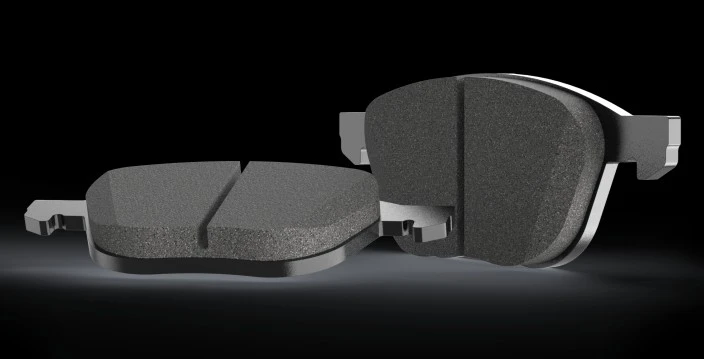
Wheel lockup occurs when a wheel completely stops rotating due to excessive braking force. Vehicles with locked wheels are prone to skidding and fishtailing, which can be extremely dangerous. Although most modern vehicles are equipped with Anti-lock Braking Systems (ABS) to reduce the risk of wheel lockup, frequent ABS activation can significantly compromise driving safety.
Additionally, the increased braking force on the front wheels generates more heat. Larger brake pads and rotors provide a greater surface area, helping to dissipate heat and prevent brake fade.
Brake fade refers to the decrease in brake performance as temperatures rise. When brakes overheat, the friction coefficient between the brake pads and rotor decreases dramatically, resulting in a significant loss of braking power. Therefore, maintaining a stable friction coefficient is crucial for brake pad performance.
Weight distribution: How the weight of the vehicle is distributed between the front and rear axles affects brake design.
Brake pad materials: Different materials are used for front and rear brake pads to optimize performance and durability.
Brake system technologies: Explore advanced brake technologies like regenerative braking or electronic stability control.
In conclusion, the differences in design between front and rear brake pads are intended to optimize braking performance and enhance driving safety. By maximizing the braking potential of the front wheels while preventing rear wheel lockup, engineers can create a more controlled and responsive braking system. It's important to note that while larger brake calipers and pads can improve braking performance, excessive modifications can negatively impact braking stability.