

Brake pads, often referred to as brake linings, are critical components of a vehicle's braking system. They play a pivotal role in ensuring the safety and efficiency of your vehicle. This article delves into the world of brake pads, providing essential knowledge for every car owner.
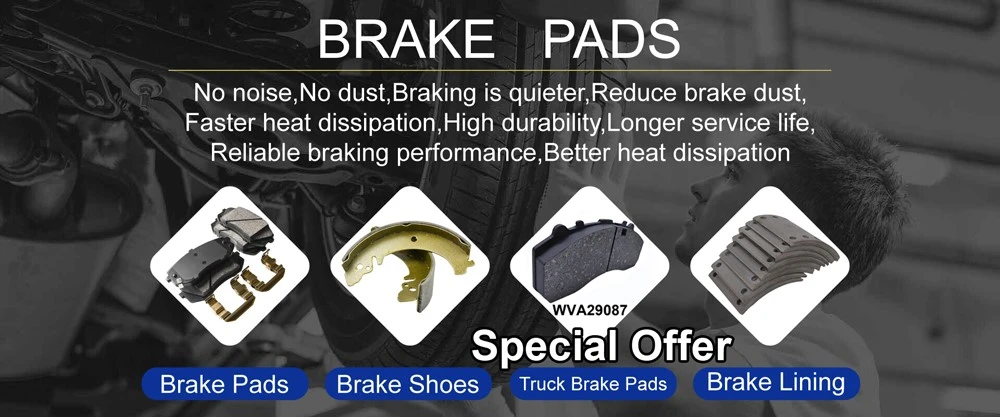
What are Brake Pads?

Brake pads are friction materials attached to a backing plate. When the brake pedal is pressed, the pads come into contact with the rotating brake rotors or drums, creating friction that slows down or stops the vehicle. The composition and quality of brake pads significantly impact braking performance and vehicle safety.
Types of Brake Pads
Brake pads can be categorized based on their material composition:
Asbestos-based brake pads:
These were once commonly used due to their high heat resistance. However, asbestos is a known carcinogen and is now banned in many regions.
Semi-metallic brake pads:
Composed of a mixture of metals and organic materials, semi-metallic pads offer good heat dissipation and durability.
Non-asbestos organic (NAO) brake pads:
NAO pads use a combination of organic materials and fibers to provide excellent braking performance and reduced noise.
How to Determine When to Replace Brake Pads

Several indicators can signal that it's time to replace your brake pads:
Excessive noise: Squealing, grinding, or metal-on-metal sounds indicate severe wear.
Soft or spongy brake pedal: A decrease in braking responsiveness is a clear sign.
Increased stopping distance: If your vehicle takes longer to come to a complete stop, the brake pads may be worn.
Visible wear indicators: Many brake pads have wear indicators that make contact with the rotor when the pads are worn down.
Why Regular Brake Pad Inspection is Crucial
Regularly inspecting your brake pads is essential for maintaining optimal braking performance and preventing costly repairs. Neglecting brake pad maintenance can lead to:
Reduced braking efficiency: Worn brake pads can compromise your ability to stop quickly and safely.
Rotor damage: Excessive wear on the brake pads can damage the rotors, requiring additional repairs.
Increased stopping distance: Longer stopping distances can increase the risk of accidents.
Choosing the Right Brake Pads

When selecting replacement brake pads, consider the following factors:
Vehicle make and model: Different vehicles have specific brake pad requirements.
Driving conditions: If you frequently drive in heavy traffic or mountainous terrain, consider heavy-duty pads.
Personal preferences: Factors like noise level and dust generation can influence your choice.
Conclusion
Brake pads are a vital component of your vehicle's safety system. By understanding their function, types, and signs of wear, you can make informed decisions about their maintenance and replacement. Regular inspections and timely replacements will help ensure that your brakes are always in optimal condition.