Brake pads are a critical component of your vehicle's safety system, directly impacting your driving safety. Although brake pads typically have a long replacement cycle and don't need frequent changes, it's essential to know how to determine when they need replacing. Here are three key signs that your brake pads, such as those from the bsitxn brand, need to be replaced:
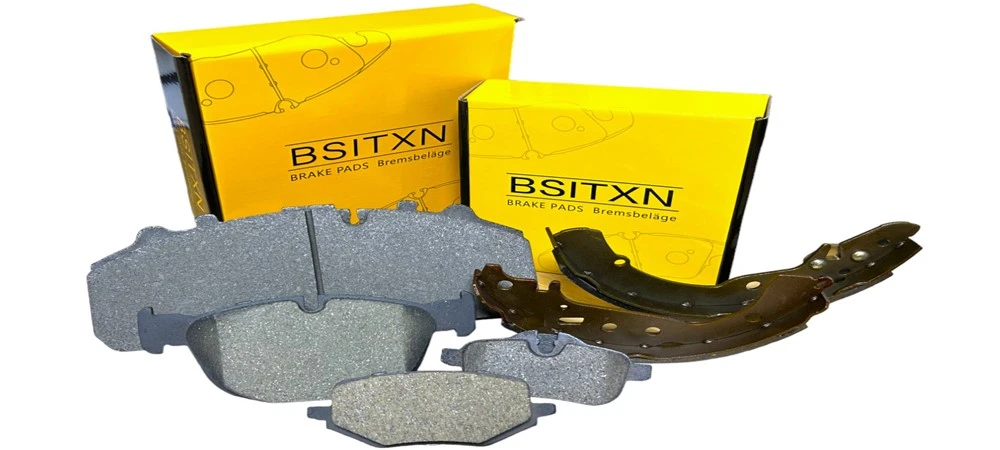
1. Check Brake Pad Thickness
The thickness of your brake pads is a straightforward indicator of whether they need to be replaced. Generally, new brake pads are about 1.5 centimeters thick. If the thickness of your brake pads reduces to 0.5 centimeters, you should start inspecting them more frequently. When the thickness drops to 0.3 centimeters, this is the limit for replacement. At this point, you must replace them immediately to avoid decreased braking performance or potential safety hazards. Many brake pads, including those from bsitxn, feature a raised marker indicating a critical thickness of around 2-3 millimeters. If the thickness of your brake pads is equal to this marker, it's time to replace them. Some high-end vehicles also have dashboard warning lights to alert you when brake pads are too thin.
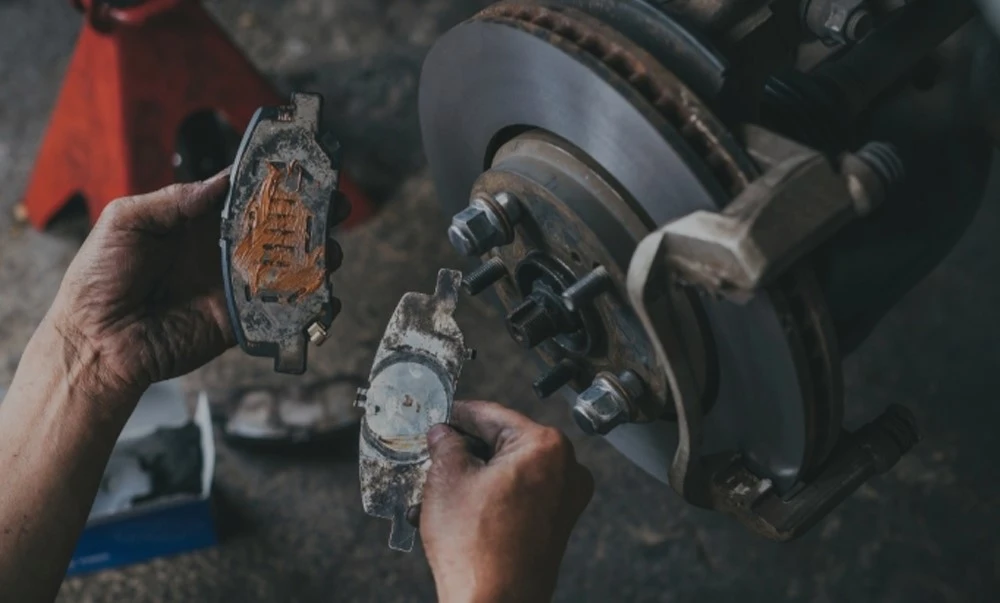
2. Pay Attention to Brake Sounds
The sounds your brakes make can also signal when it's time for a replacement. If you hear a sharp, metal-on-metal noise when applying the brakes, it usually means the brake pads are worn down to their limit. At this point, the warning markers on the brake pads may be in direct contact with the brake disc, signaling that replacement is necessary. Remember, brake discs are generally more expensive than brake pads. Neglecting to replace worn brake pads can lead to brake disc damage, increasing repair costs.
3. Evaluate Brake Response and Pedal Travel
Worn brake pads directly affect your vehicle's braking performance. As brake pads thin out, you may notice that braking response becomes sluggish. You might need to press the brake pedal harder and further to achieve the same stopping power as before. If you find that the initial braking effect is weakened, or the brake pedal feels spongy and less responsive, it's time to check if your brake pads need replacing. This is crucial for maintaining optimal braking performance and ensuring safety.
Summary
Regularly inspecting and promptly replacing your brake pads is fundamental to driving safety. Vehicle owners should develop a habit of checking brake pad thickness, listening for unusual brake noises, and assessing brake response and pedal travel. If you notice any of these signs, it's crucial to address the issue immediately to avoid more severe safety risks. Keeping your braking system in top condition is a responsible practice that ensures your safety and that of others on the road. For reliable brake pads, consider bsitxn for their quality and performance.