

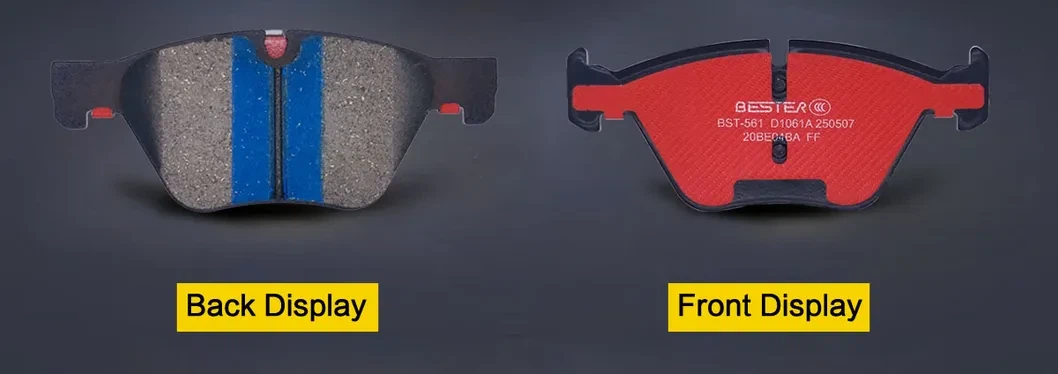
Choosing brake pads isn't "one size fits all"
Most drivers only think about brake pads when they hear squealing or feel vibration. But the right pad compound can make your car quieter, cleaner, and more confident-especially in stop-and-go traffic or long downhill driving.
At Bester, we see the same questions come up again and again: ceramic or semi-metallic? Will it dust? Will it squeal? Will it handle heat? Here's a clear way to decide.
The 3 common brake pad types (and who they're for)
1) Ceramic brake pads
Best for: daily commuting, city driving, drivers who want low dust and quiet braking.
Why people choose them: Ceramic pads are known for smoother braking feel and cleaner wheels. They typically produce lighter-colored dust and can be quieter when properly installed.
Consider if: you value comfort, low noise, and clean rims.
2) Semi-metallic brake pads
Best for: heavier vehicles, spirited driving, towing, mountain roads.
Why people choose them: Semi-metallic pads tend to handle heat very well. They can offer strong bite and consistent braking in demanding conditions.
Consider if: you drive hard, carry loads, or live in hilly areas.
3) Organic (NAO) brake pads
Best for: light-duty driving, smaller cars, budget-focused replacements.
Why people choose them: Organic pads can be quiet and gentle on rotors, but they may wear faster under high heat.
Consider if: your driving is mostly light, low-speed, and you don't do long descents.
5 factors that matter more than "brand"
When customers ask what to buy, these are the factors that actually decide whether you'll be happy after installation:
Vehicle weight & power – heavier vehicles generate more heat.
Driving environment – city traffic vs highway vs mountains.
Noise sensitivity – some drivers can't tolerate any squeak at all.
Dust expectations – if you hate cleaning wheels, pick accordingly.
Rotor condition – worn, glazed, or uneven rotors can cause noise and vibration even with new pads.
Common signs you need new brake pads
Squealing or high-pitched chirping (often a wear indicator)
Grinding (pad material may be gone)
Longer stopping distances
Steering wheel shake when braking (could be rotor issues)
Brake warning light (on many vehicles, especially newer models)
Quick recommendation chart
Daily commuter + clean wheels: ceramic
SUV/truck + towing or hills: semi-metallic
Light city driver + cost-sensitive: organic/NAO
Final tip: installation quality matters
Even the best pads can squeal if the caliper hardware is worn, the slides are stuck, or the pads aren't bedded-in correctly. If you're upgrading, replace worn clips and follow a proper bedding procedure.