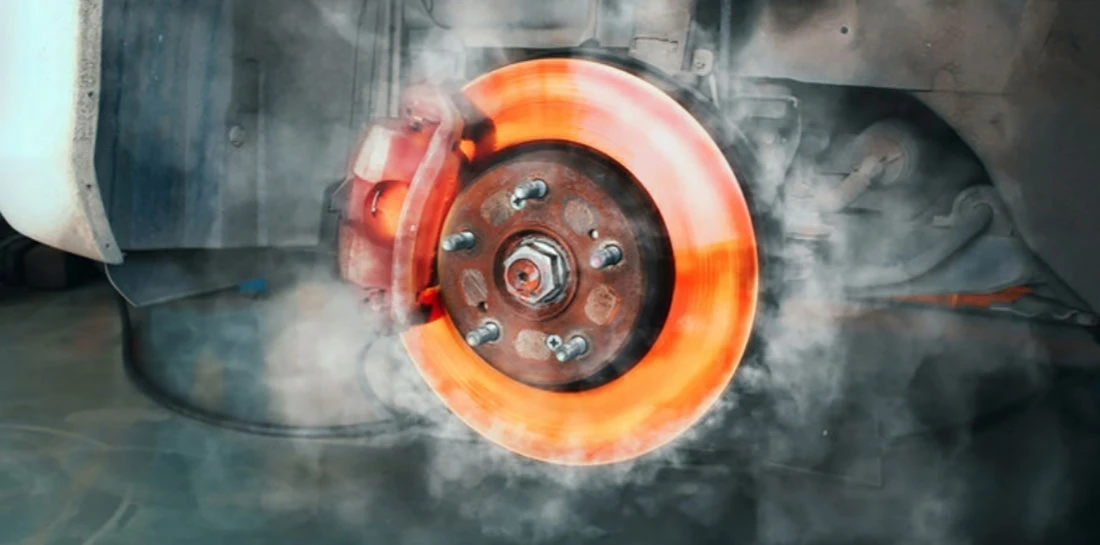
Brake pads are a vital component of a vehicle's braking system. As a leading brake pad manufacturer in China, we understand the importance of proper brake pad installation and replacement. This article serves as a professional guide, offering step-by-step instructions and tips on brake pad installation and replacement.

Understanding Brake Pads
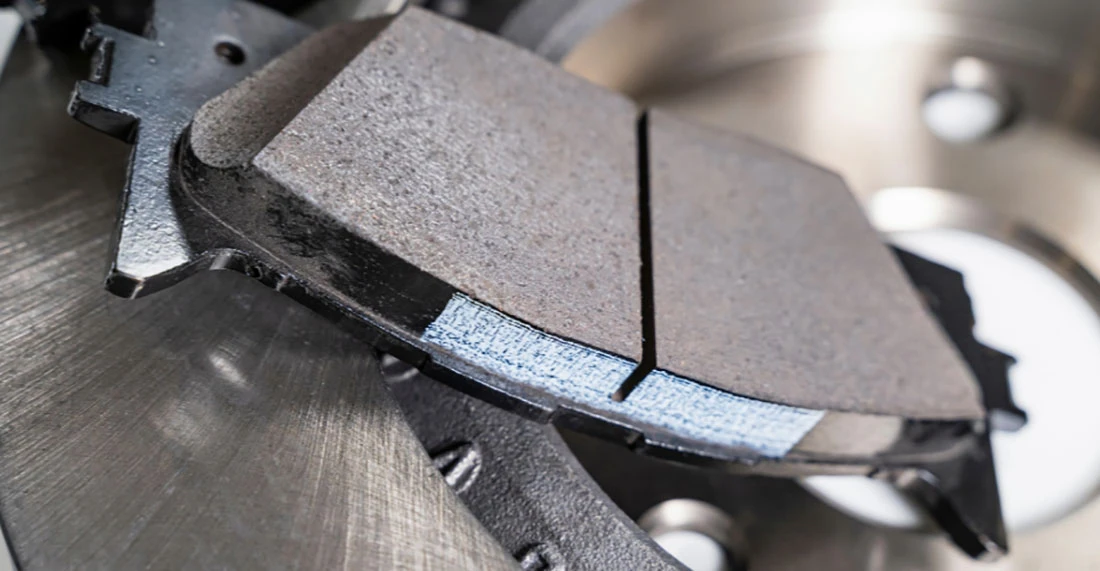
Before we delve into the installation and replacement process, it's important to understand what brake pads are and how they work. Brake pads are components of the braking system that create friction against the brake rotors, slowing down or stopping the vehicle. They are typically made from a variety of materials, including metal shavings, fibers, and fillers, which are chosen for their ability to withstand high temperatures and friction.
The Installation Process
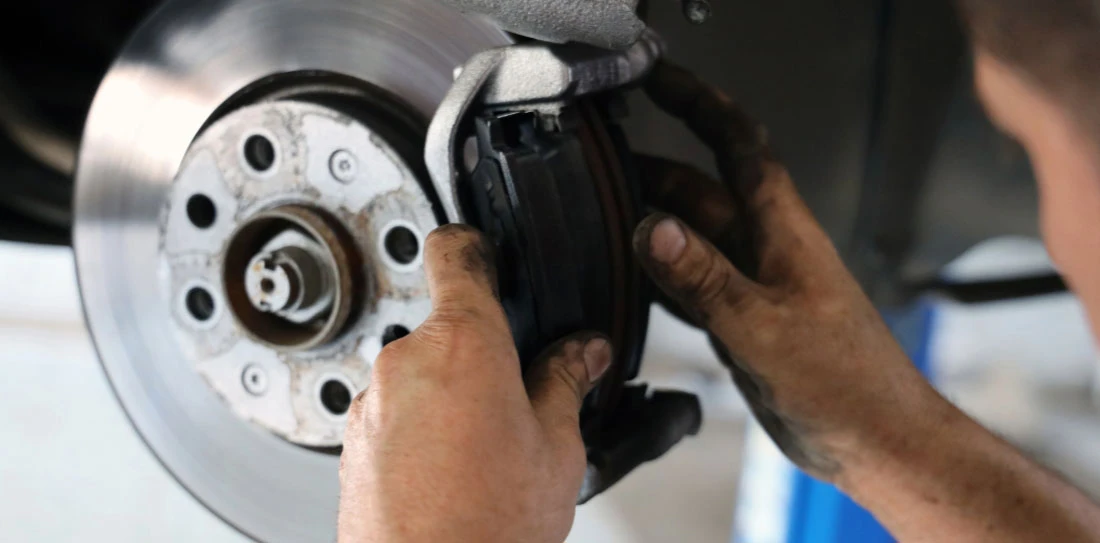
The process of installing brake pads involves several steps. First, the old brake pads are removed from the brake calipers. Then, the new brake pads are inserted into the calipers. It's important to ensure that the brake pads are properly aligned with the rotors for optimal performance. Once the brake pads are in place, the calipers are reinstalled, and the vehicle's braking system is tested to ensure proper operation.
The Replacement Process
Replacing brake pads is a routine part of vehicle maintenance. Over time, brake pads wear down and need to be replaced to ensure the safety and efficiency of the vehicle. The replacement process is similar to the installation process, but it also involves inspecting the brake rotors for damage and replacing them if necessary. It's recommended to replace brake pads every 50,000 miles, but this can vary depending on the type of brake pads and the driving conditions.

Conclusion
In conclusion, proper brake pad installation and replacement are crucial for maintaining the safety and performance of a vehicle. As a leading brake pad manufacturer, we are committed to providing high-quality brake pads and offering professional guidance to our B2B clients worldwide.