

If you're experiencing a squealing noise from your front brake pad kit, you're not alone. Many drivers encounter this issue at some point, and it can be both annoying and concerning. As a front brake pad kit supplier, I've dealt with numerous customers facing this problem. In this blog, I'll share some insights on why your brake pads might be squealing and what you can do to address it.
Understanding the Causes of Squealing Brake Pads
Before we delve into solutions, it's crucial to understand the potential causes of the squealing noise. Here are some common reasons:
1. Brake Pad Material
The type of brake pad material can significantly influence noise levels. For instance, Semi-metallic Ceramic Brake Pads are known for their durability and high-performance capabilities. However, they can sometimes produce more noise compared to other types. The metal fibers in semi-metallic pads can create friction against the brake rotor, resulting in a squealing sound.
On the other hand, Ceramic Coated Brake Pads are generally quieter. They are made from ceramic materials that have excellent heat dissipation properties and produce less dust. But if these pads are worn out or installed incorrectly, they can also start to squeal.
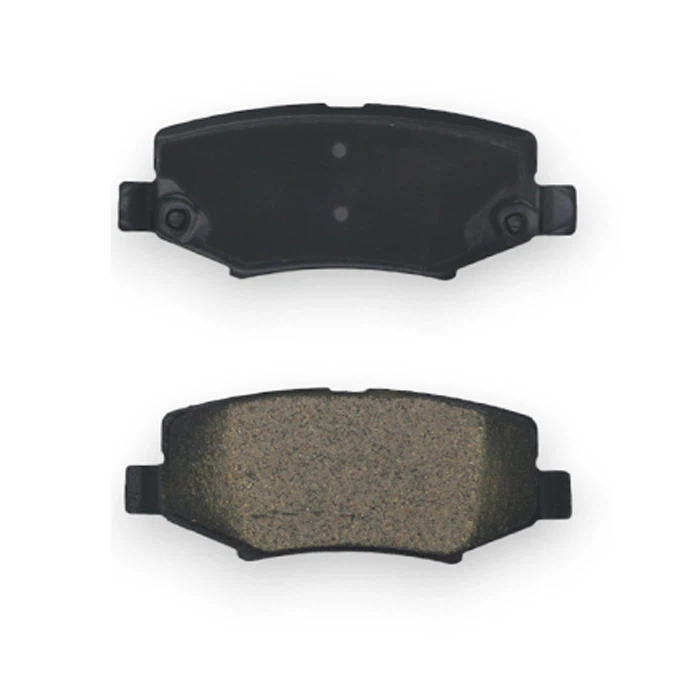

Low Metallic Brake Pads are another option. They contain a lower percentage of metal compared to semi-metallic pads, which can reduce noise. However, like other types of brake pads, they can still make noise if they are not properly maintained.
2. Brake Pad Wear
Worn-out brake pads are a common cause of squealing. As the brake pads wear down, the friction material becomes thinner, and the metal backing plate can come into contact with the brake rotor. This metal-to-metal contact creates a high-pitched squealing noise, which is often a warning sign that it's time to replace the brake pads.
3. Brake Rotor Issues
The condition of the brake rotors can also contribute to squealing brake pads. If the rotors are warped, scored, or have uneven surfaces, they can cause the brake pads to vibrate and produce noise. Additionally, rust or corrosion on the rotors can create a rough surface, leading to increased friction and noise.
4. Contamination
Brake pads can become contaminated with oil, grease, or brake fluid. This contamination can reduce the friction between the brake pads and the rotors, causing the pads to slip and produce a squealing sound. Contamination can occur if there is a leak in the brake system or if the pads are exposed to oil or grease during installation.
5. Improper Installation
Incorrect installation of the brake pads can also lead to squealing. If the brake pads are not properly aligned or if the hardware is not installed correctly, it can cause the pads to vibrate and make noise. Additionally, if the brake calipers are not functioning properly, they may not apply even pressure to the brake pads, resulting in uneven wear and noise.
What You Can Do to Stop the Squealing
Now that we've identified the possible causes of the squealing noise, let's discuss some solutions:
1. Inspect the Brake Pads
The first step is to visually inspect the brake pads. Check the thickness of the friction material. If the pads are worn down to the minimum thickness or if the metal backing plate is visible, it's time to replace them. You can also look for signs of contamination, such as oil or grease on the pads.
2. Check the Brake Rotors
Inspect the brake rotors for signs of warping, scoring, or uneven wear. You can use a straightedge to check for warping. If the rotors are damaged, they may need to be resurfaced or replaced. Additionally, clean the rotors to remove any rust or corrosion.
3. Clean the Brake Components
If the brake pads are contaminated, clean them thoroughly with a brake cleaner. Make sure to remove all traces of oil, grease, or brake fluid. You can also clean the brake calipers and the hardware to ensure proper functioning.
4. Use Anti-Squeal Products
There are several anti-squeal products available on the market, such as brake grease, shims, and brake quiet compounds. These products can help reduce noise by dampening vibrations and providing a smooth surface between the brake pads and the calipers. Apply the anti-squeal product according to the manufacturer's instructions.
5. Reinstall the Brake Pads Correctly
If the brake pads were not installed correctly, remove them and reinstall them following the proper procedures. Make sure the pads are properly aligned and that the hardware is installed correctly. You may need to use a torque wrench to tighten the bolts to the correct specification.
6. Replace the Brake Pads and Rotors
If the brake pads are severely worn or if the rotors are damaged beyond repair, it's best to replace both the brake pads and the rotors. This will ensure optimal braking performance and reduce the likelihood of future squealing.
Choosing the Right Brake Pad Kit
When it comes to replacing your brake pad kit, it's important to choose the right one for your vehicle. Consider the following factors:
1. Vehicle Type and Usage
Different vehicles have different braking requirements. For example, a high-performance sports car may require brake pads that can handle high speeds and heavy braking, while a daily commuter car may need pads that are more quiet and long-lasting. Consider your driving style and the type of roads you typically drive on when choosing a brake pad kit.
2. Brake Pad Material
As mentioned earlier, there are different types of brake pad materials available, each with its own advantages and disadvantages. Choose a material that suits your needs and preferences. If you're looking for a quiet and low-dust option, ceramic coated brake pads may be a good choice. If you need high-performance braking, semi-metallic ceramic brake pads may be more suitable.
3. Quality and Brand
Choose a brake pad kit from a reputable brand that has a proven track record of quality and reliability. Look for products that are tested and certified to meet industry standards. A high-quality brake pad kit will not only provide better performance but also last longer and reduce the risk of squealing and other issues.
Contact Us for Your Brake Pad Needs
If you're experiencing squealing brake pads or if you're in the market for a new brake pad kit, we're here to help. As a leading front brake pad kit supplier, we offer a wide range of high-quality brake pads to suit different vehicles and applications. Our products are made from the best materials and are designed to provide optimal braking performance and durability.
Whether you need Semi-metallic Ceramic Brake Pads, Ceramic Coated Brake Pads, or Low Metallic Brake Pads, we have the right solution for you. Our team of experts can also provide you with professional advice and support to help you choose the best brake pad kit for your vehicle.
Don't let squealing brake pads ruin your driving experience. Contact us today to discuss your brake pad needs and start the procurement process. We look forward to working with you!
References
- "Brake Pad Noise: Causes and Solutions." AutoZone.
- "How to Stop Squealing Brake Pads." YourMechanic.
- "Choosing the Right Brake Pads for Your Vehicle." Car and Driver.