

Shandong Best Auto Parts Co., Ltd. is a brake pad manufacturer located in Shandong, China. The factory was established in 2015. We focus on the production of car brake pads, brake shoes and truck brake pads, brake lining.
As an OEM brake pad and brake shoe manufacturer and supplier, we currently have more than 3,000 models of production molds and maintain more than 2,000 models in stock, we have been committed to providing high-quality and reliable products. Our formulas are asbestos-free, dust-free, noise-free, and have long service life, and are trusted by customers. At the same time, we are also actively exploring the market. Our team is full of professional knowledge and experience, and we will provide high-quality after-sales service and will do our best to meet customer needs.
Why choose us?
Cover more models
We offer an extensive range of ceramic brake pads tailored to fit all models of Japanese, Korean, German, and American cars, providing our customers with a broad selection for any vehicle.
Small MOQ
Our minimum order quantity is only 1 set, providing you with great flexibility to meet your diverse needs for brake pads.
Quality assurance
A full set of quality testing equipment will allow us to repeatedly test and obtain data after production is completed to check product quality.
Fast delivery
We understand that fast shipping is very important to customers, so the models we have in stock only take 3 days.
Supply chain
Establish an integrated supply chain, production chain, and transportation chain. The best solution will be provided by Shandong Best Auto Parts.
Aftersales service
Act quickly on customer feedback to resolve any issues you may have after your purchase.

Car front brake pads bear the brunt of braking force. Our front brake pads are engineered for optimal performance, reduced noise, and minimal dust. From city traffic to highway speeds, trust our front brake pads to keep you safe on the road.

We understand the importance of quiet braking, and our Quiet ceramic brake pads minimize noise to provide our customers with a smooth and comfortable driving experience. If you need Quiet ceramic brake pads please feel free to get in touch for more information or to discuss a potential partnership. We look forward to meeting your import needs!

Tired of brake dust accumulating on your wheels? Our low dust ceramic brake pads offer the solution. These pads minimize dust production while maintaining excellent braking performance. Keep your wheels clean and enjoy hassle-free driving.

Ceramic dust-free brake pads are designed for cleanliness and efficiency. Say goodbye to unsightly brake dust on your rims. Our ceramic pads deliver reliable stopping power without compromising wheel aesthetics.

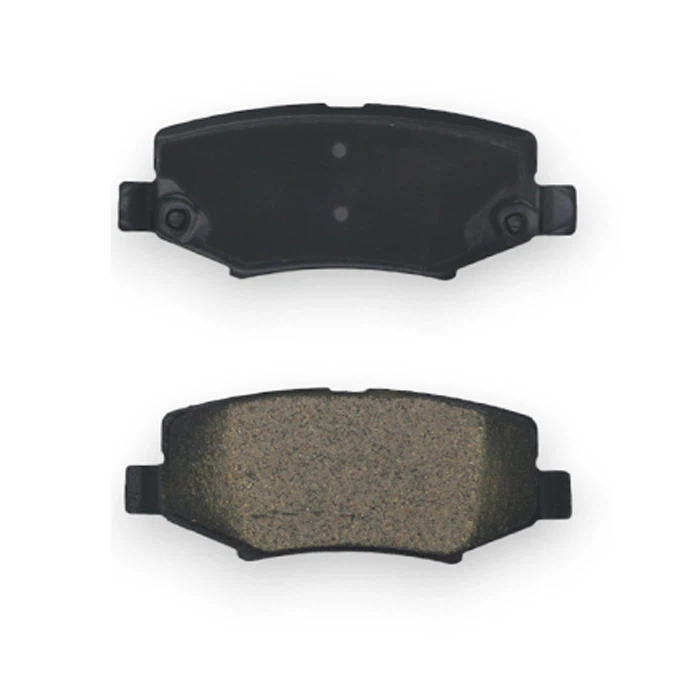
Our ront wheel brake pads 5L8Z-2001-AA is meticulously crafted to deliver exceptional braking performance.It's engineered with advanced ceramic materials, ensuring reliable stopping power and reduced wear on both the pads and rotors.

Silent Stop Ceramic Brake Pads
Silent stop ceramic brake pads offer noise-free braking. These pads are perfect for daily driving, providing comfort and safety. Enjoy a quiet ride with our ceramic brake pads.

Our comprehensive brake pad kits include everything you need for a complete replacement. From pads to hardware, our kits ensure hassle-free installation. Choose from ceramic, semi-metallic, or organic brake pads to suit your vehicle's needs.

Disc brake pads are essential for effective braking. Our car disc brake pad sets include premium pads designed for consistent performance. Whether you're replacing front or rear pads, our sets ensure safety and reliability.

Dustless brake pads keep your wheels cleaner and reduce maintenance. Our ceramic and low-dust brake pads offer smooth stops without compromising performance. Enjoy a quieter ride and cleaner rims with our dustless brake pads.
Low-metallic. These pads are made from a special formula using about 10% to 30% copper or steel. Low-metallic brake pads are optimal for high heat and friction braking, and ideal for high speed braking. These types of pads are less clean than others, though.
Benefits of Low Metallic Brake Pads
Enhanced braking performance
One of the key advantages of low metallic brake pads is their superior braking performance. These brake pads are made with a combination of organic materials and a small amount of metallic fibers. This unique composition enhances the friction characteristics of the pads, thereby improving stopping power. When compared to traditional brake pads, low metallic brake pads provide a shorter stopping distance, giving drivers more control over their vehicles in emergency situations.
Reduced noise and vibration
Another notable advantage of low metallic brake pads is their ability to reduce noise and vibration during braking. Traditional brake pads, especially those made of semi-metallic materials, tend to generate squeaking sounds and cause vibrations, leading to an unpleasant driving experience. On the other hand, low metallic brake pads, with their optimized composition, significantly reduce squealing and minimize vibrations, thus ensuring a quieter and smoother braking operation.
Improved heat dissipation
Heat dissipation is a critical factor in brake pad performance and longevity. Low metallic brake pads have excellent heat dissipation properties, thanks to their unique composition. Metallic fibers embedded in the pad material increase the thermal conductivity, allowing heat to be dissipated more efficiently. This not only prevents brake fade during prolonged and demanding braking situations but also extends the lifespan of the brake pads. With improved heat dissipation, low metallic brake pads can handle higher temperatures, providing better overall braking performance.
Less brake dust
Brake dust, a byproduct of traditional brake pads, not only creates an unsightly appearance on wheels but can also be harmful to both the vehicle and the environment. Low metallic brake pads, however, have the advantage of producing significantly less brake dust. This is due to the reduced amount of metallic elements used in their composition. With less brake dust accumulation, the wheels stay cleaner for longer periods, reducing the need for frequent cleaning and maintenance.
Longevity and cost-effectiveness
The lifespan of brake pads is an important consideration for vehicle owners. Traditional brake pads often wear out quickly, necessitating frequent replacements and increasing maintenance costs. Low metallic brake pads, on the other hand, have a longer lifespan due to their unique composition. The reduced wear and tear, coupled with improved heat dissipation, allow these brake pads to last longer. This not only saves vehicle owners money in terms of replacement costs but also minimizes downtime for maintenance and enhances overall cost-effectiveness.
Daily drivers
For most passenger cars and light trucks used for daily commuting and around-town driving, low metallic pads are a great choice. They provide the right blend of quiet operation, long pad life, and effective everyday braking. The organic materials in low metallic pads keep them quieter than semi-metallic pads, making them ideal for daily drivers.
Light duty vehicles
Low metallic pads are recommended for light duty pickup trucks, SUVs, crossovers and minivans that are not used for towing or hauling heavy loads. For these vehicles that only occasionally carry heavier loads, low metallic pads can still provide adequate braking without excessive noise or dust.
Cars not used for towing or hauling
For any vehicle that is not used for towing trailers, boats, etc., low metallic pads are suitable. They do not require the extreme heat resistance and longevity of semi-metallic pads. As long as the vehicle is not frequently used for carrying/hauling heavy loads, low metallic pads will perform well.
Prepare your vehicle
Start by parking your vehicle on a level surface and engaging the parking brake. Loosen the lug nuts on the wheels using a lug wrench, but do not remove them completely at this stage.
Lift the vehicle
Use a jack to lift the vehicle off the ground, ensuring it is securely supported by jack stands. Safety is paramount when working underneath a vehicle, so make sure it is stable before proceeding.
Remove the old brake pads
Locate the brake caliper behind the wheel. Use a wrench set to remove the bolts holding the caliper in place. Carefully take out the old brake pads, being mindful not to damage the caliper or brake lines.
Install the new brake pads
Before installing the new brake pads, apply brake cleaner to remove any residue on the caliper and rotor. Next, apply a thin layer of brake grease to the back of each new pad to prevent squeaking. Insert the new pads into the caliper, ensuring they align correctly with the rotor.
Reassemble the brake caliper
Once the new brake pads are in place, carefully reposition the brake caliper over the rotor and secure it with the bolts. Make sure the caliper is aligned properly and the bolts are tightened to the manufacturer's specifications.
Repeat the process
Repeat the same process for the brake pads on the other wheels of your vehicle. It is essential to replace all brake pads simultaneously to maintain consistent braking performance.
Test the brakes
After installing the new brake pads, pump the brake pedal a few times to build pressure in the brake system. Take your vehicle for a test drive in a safe area to ensure the brakes are functioning correctly before resuming normal driving.
How to Maintain Low Metallic Brake Pads
Get regular brake inspections
An easy way to make sure your brakes are in good condition is to have them regularly inspected by a mechanic or technician. A qualified professional will be able to detect any potential problems with your brakes before they become serious and expensive repairs.
Change your brake fluid
Changing your brake fluid regularly is one of the most important maintenance steps you can take. Brake fluid absorbs moisture over time, which makes it less effective at stopping your car. Be sure to keep up with this simple but important step for optimal brake performance.
Check your brake pads
Another important part of maintaining your brakes is to check the brake pads. If they become too worn, it's time to replace them. This will help reduce friction and wear on your rotors, which can save you money in the long run.
Check your rotors
The rotors are what allow your car's brakes to stop quickly and effectively. Over time, the rotors can become warped or damaged due to wear and tear. If this happens, it's important to have them replaced as soon as possible to avoid any costly repairs down the line.
Clean your brakes
Regularly cleaning your brakes will help keep them in good condition by removing dirt, dust, and other debris that can build up over time. This simple step will ensure your brakes are always working their best.
Check for leaks
Checking for leaks in your brake lines is essential to maintaining optimal brake performance. If any leaks are detected, they should be repaired immediately to avoid any further damage or costly repairs.
Check for vibrations
If you feel any vibrations or pulsing when applying your brakes, it could be a sign that something is wrong. This could be caused by worn brake pads, warped rotors, or loose parts. Have a mechanic inspect your brakes if this happens to ensure everything is in good condition.
Avoid sudden stops
It's important to avoid making sudden stops in order to protect your brakes from excessive wear and tear. Make sure to give yourself plenty of distance between you and the car in front of you so you can brake gradually when needed.
Don't drag your brakes
Dragging your brakes can cause unnecessary wear and tear. This happens when you keep your foot on the brake pedal after slowing down to a certain speed, instead of releasing it completely. Make sure to take your foot off the brake when you're not applying pressure in order to avoid any premature damage.
Don't ignore warning signs
If your car is making any strange noises or behaving oddly when you apply the brakes, it's time to get them checked. Ignoring warning signs can lead to more serious problems in the future, so be sure to take your car in for a brake inspection at the first sign of trouble.
Driving style and conditions
Consider your driving style and typical driving conditions. If you engage in spirited driving or frequently encounter hilly terrains, semi-metallic or low-metallic brake pads might be preferable due to their enhanced heat resistance and durability.
Vehicle type and weight
The type of vehicle you own plays a significant role in brake pad selection. Larger vehicles, such as SUVs and trucks, exert more weight on the braking system. In such cases, ceramic or semi-metallic brake pads can offer the necessary stopping power and heat dissipation.
Noise tolerance
If noise levels are a concern for you, ceramic brake pads are an optimal choice. Their composition and design contribute to a quieter braking experience, perfect for those seeking a serene ride.
Budget considerations
Brake pad prices can vary widely depending on the type and brand. Ceramic and high-performance options are often pricier, while organic and low-metallic pads offer more budget-friendly alternatives without compromising on safety.
Environmental impact
For environmentally conscious drivers, organic brake pads are an attractive choice. Their composition produces less dust and fewer particulates, contributing to a cleaner driving environment.
Our Factory
Shandong Best Auto Parts Co., Ltd. is a brake pad manufacturer located in Shandong, China. The factory was established in 2015. We focus on the production of car brake pads, brake shoes and truck brake pads, brake lining. As an OEM brake pad and brake shoe manufacturer and supplier, we currently have more than 3,000 models of production molds and maintain more than 2,000 models in stock, we have been committed to providing high-quality and reliable products. Our formulas are asbestos-free, dust-free, noise-free, and have long service life, and are trusted by customers. At the same time, we are also actively exploring the market. Our team is full of professional knowledge and experience, and we will provide high-quality after-sales service and will do our best to meet customer needs.


FAQ
Hot Tags: low metallic brake pads, China low metallic brake pads manufacturers, suppliers, factory, sale brake pads, african brake pads, high-performance brake pads, minivan brake pads, italian brake pads, domestic brake pads


