

Hey there! As a supplier of bus front brake pads, I often get asked about the wear rate of these crucial components under normal use. It's a super important question, and I'm gonna break it down for you in this blog.
First off, let's talk about what "normal use" means for a bus. A typical bus operates on a variety of roads - from smooth highways to bumpy city streets. It stops and starts multiple times a day, ferrying passengers to and fro. The weight of the bus, the number of passengers, and the driving conditions all play a part in how quickly the front brake pads wear out.
On average, under normal use, bus front brake pads can last anywhere from 25,000 to 70,000 miles. That's a pretty wide range, right? Well, there are a bunch of factors that can influence this.
One of the biggest factors is the type of driving. If a bus is mostly used in a city with lots of stop - and - go traffic, the brake pads are going to wear out faster. Every time the driver hits the brakes to stop at a traffic light or a bus stop, the brake pads are doing their job and getting a little bit thinner. On the other hand, if the bus is used mainly on highways, where it can maintain a steady speed for long periods and only needs to brake occasionally, the wear rate will be much lower.
The weight of the bus also matters. A fully loaded bus with a lot of passengers is heavier, and it takes more force to stop it. This means the brake pads have to work harder, and they'll wear out more quickly. So, if a bus has a high ridership or is used to transport heavy cargo in addition to passengers, expect the front brake pads to need replacement sooner.
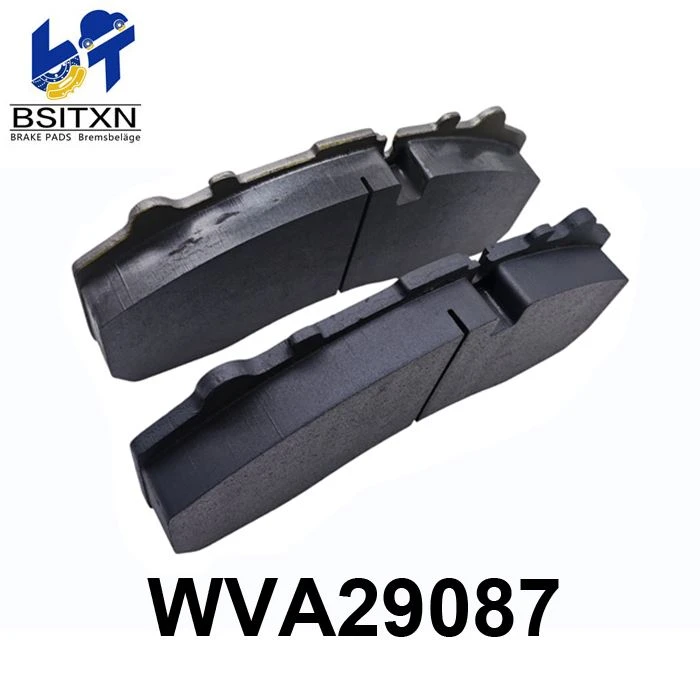
The quality of the brake pads themselves is another key factor. At our place, we offer high - quality 29087 Truck Brake Pad that are designed to withstand the rigors of daily bus use. Our brake pads are made from top - notch materials that provide excellent stopping power and have a longer lifespan compared to some of the cheaper alternatives on the market.
Now, let's talk about how you can tell when the front brake pads are wearing out. One of the most obvious signs is a squealing or grinding noise when you apply the brakes. This is usually an indication that the brake pads are getting thin and need to be replaced. You might also notice that the brakes feel less responsive or that the bus takes longer to stop. If you experience any of these symptoms, it's time to check the brake pads.
Regular maintenance is crucial to ensuring the proper functioning of the brake pads and to extending their lifespan. Mechanics should regularly inspect the brake pads to check their thickness. They can also look for signs of uneven wear, which could indicate a problem with the braking system. If there are any issues, they can be addressed early on, preventing more serious problems down the road.
Another thing to keep in mind is the interaction between the front and rear brake pads. The front brakes do most of the work when a bus is braking, which is why they tend to wear out faster. However, the rear brakes also play an important role. Our Rear Truck Brake Pads are designed to work in harmony with the front brakes, providing a balanced braking performance.
In addition to buses, our Commercial Vehicle Brake Pads are also suitable for other commercial vehicles. Whether it's a delivery truck or a long - haul semi - trailer, we've got the right brake pads to keep your vehicle safe on the road.
If you're in the market for high - quality bus front brake pads or other commercial vehicle brake pads, don't hesitate to get in touch. We're here to help you find the best solution for your needs. Whether you're a bus fleet manager or an independent mechanic, we can offer you competitive prices and top - notch customer service.
To sum it up, the wear rate of bus front brake pads under normal use can vary widely depending on driving conditions, bus weight, and the quality of the brake pads. By choosing high - quality brake pads like ours and keeping up with regular maintenance, you can ensure that your bus brakes are in top shape and that the brake pads last as long as possible.

If you have any questions or want to discuss your brake pad needs further, feel free to reach out. We're always happy to chat and help you make the right choice for your vehicles.
References
- Brake System Basics, National Highway Traffic Safety Administration
- Automotive Brake Pad Wear Studies, Society of Automotive Engineers