

Yo, what's up, folks! I'm a supplier of bus brake pads, and today I wanna chat about the relationship between bus brake pads and brake fluid. It's a topic that might not seem super exciting at first, but trust me, it's crucial for the safety and performance of buses.
Let's start with the basics. Brake pads are like the workhorses of the braking system. They're the parts that actually come into contact with the brake rotors to slow down or stop the bus. When you step on the brake pedal, the brake pads are squeezed against the rotors, creating friction. This friction converts the kinetic energy of the moving bus into heat energy, which ultimately brings the bus to a halt.
On the other hand, brake fluid is the lifeblood of the braking system. It's a hydraulic fluid that transfers the force from your foot on the brake pedal to the brake pads. When you press the brake pedal, it pushes a piston in the master cylinder, which then forces the brake fluid through a network of brake lines to the calipers. The calipers then squeeze the brake pads against the rotors.
So, what's the relationship between these two key components? Well, it's all about how they work together to make the braking system function properly.
First of all, the brake fluid needs to be in good condition for the brake pads to work effectively. Brake fluid is hygroscopic, which means it absorbs moisture from the air over time. When the brake fluid absorbs too much moisture, its boiling point decreases. This can lead to a phenomenon called "brake fade," where the brake fluid boils and forms vapor bubbles in the brake lines. These vapor bubbles compress more easily than the liquid brake fluid, which means that when you press the brake pedal, the force isn't transferred efficiently to the brake pads. As a result, the braking performance is reduced, and it can take longer to stop the bus.
Imagine you're driving a big, heavy bus down a steep hill. You need to rely on your brakes to keep you safe. If your brake fluid has absorbed too much moisture and starts to boil, your brake pads might not be able to generate enough friction to stop the bus in time. That's a pretty scary situation, right? So, regular brake fluid flushes are essential to maintain the proper functioning of the brake pads.
Secondly, the condition of the brake pads can also affect the brake fluid. Worn-out brake pads can cause problems for the brake fluid and the entire braking system. When the brake pads are worn down too much, the calipers have to travel further to squeeze the pads against the rotors. This can put extra stress on the brake fluid and the brake lines. Over time, this extra stress can cause leaks in the brake lines or damage to the calipers. If there's a leak in the brake lines, the brake fluid level will drop, and the braking system won't work properly.
For example, if you notice that your brake pedal feels spongy or goes all the way to the floor when you press it, it could be a sign of a brake fluid leak or worn-out brake pads. In either case, it's important to get it checked out by a professional as soon as possible.
Now, let's talk about the quality of the brake pads. High - quality brake pads are designed to work well with the brake fluid and the rest of the braking system. They have the right amount of friction material and are made to withstand high temperatures. When you use good - quality brake pads, they can generate the necessary friction to stop the bus without overheating the brake fluid.
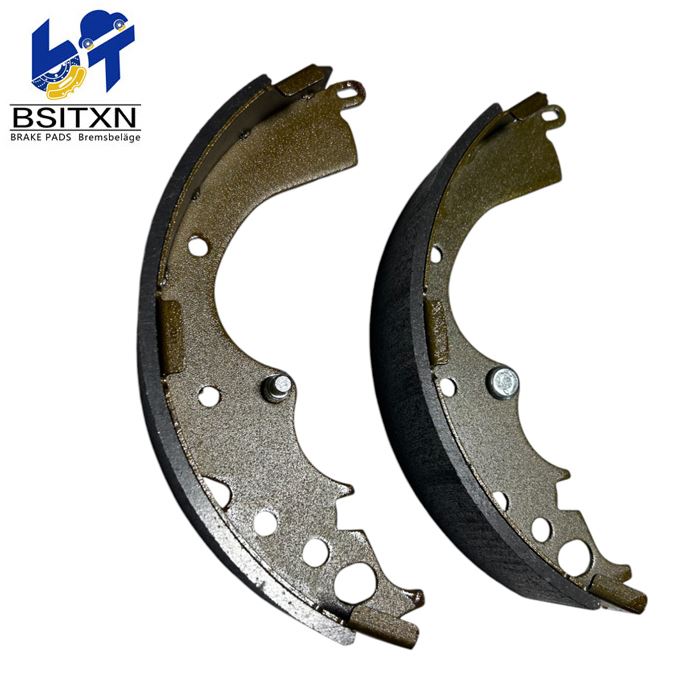
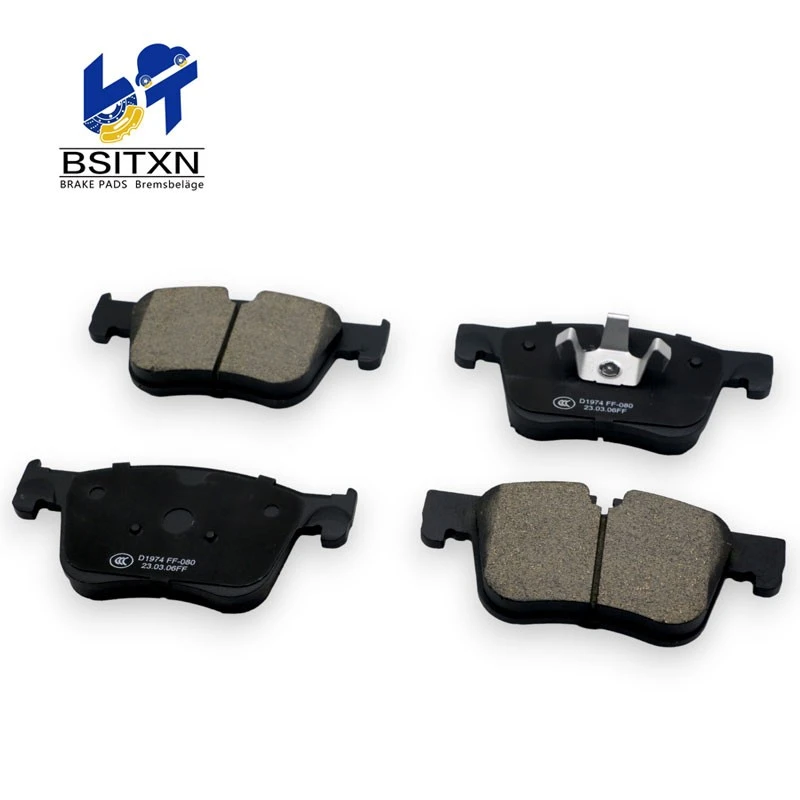
At our company, we offer a wide range of high - quality bus brake pads. For example, we have the M31T6GN3502080 GDB8183 Brake Pads For Changan CS75 PLUS Chery Tiggo 7 8 PLUS PRO Jetour X70 X90 JAC. These brake pads are engineered to provide excellent braking performance and durability. They're made from high - quality materials that can handle the demands of different driving conditions.
We also have Vehicle Brake Shoes and Brake Pad Parts available. Whether you're a bus fleet operator or a mechanic looking for reliable brake components, we've got you covered.
In addition to the physical interaction between the brake pads and the brake fluid, proper maintenance is key to keeping the relationship between them in check. Regularly inspecting the brake pads for wear and tear and changing them when necessary is crucial. You should also follow the manufacturer's recommendations for brake fluid changes. Most manufacturers recommend changing the brake fluid every two to three years, but this can vary depending on your driving conditions.
It's also important to use the right type of brake fluid for your bus. Different vehicles require different types of brake fluid, such as DOT 3, DOT 4, or DOT 5.1. Using the wrong type of brake fluid can cause compatibility issues and damage the braking system.
To sum it up, the relationship between bus brake pads and brake fluid is a symbiotic one. They rely on each other to make the braking system work safely and efficiently. The brake fluid transfers the force to the brake pads, and the brake pads generate the friction needed to stop the bus. Keeping both components in good condition through regular maintenance is essential for the overall performance and safety of your bus.
If you're in the market for high - quality bus brake pads or have any questions about the relationship between brake pads and brake fluid, don't hesitate to reach out. We're here to help you make the right choices for your buses. Whether you're looking to replace worn - out brake pads or want to upgrade to a better - performing set, we can provide you with the products and expertise you need.
Let's work together to keep your buses braking safely on the roads.
References
- "Automotive Braking Systems" by John Dolan
- "Brake Handbook" by Bosch