

Off-road driving is an exhilarating activity that demands high-performance equipment, and one of the most critical components of any off-road vehicle is its brake system. Off-road brake pads play a pivotal role in ensuring safety and control during challenging terrains. One common concern among off-road enthusiasts and vehicle owners is the noise level of off-road brake pads during normal use. In this blog, as an off-road brake pads supplier, I will delve into the factors affecting the noise level of off-road brake pads, the typical noise characteristics, and how to manage or minimize brake noise.
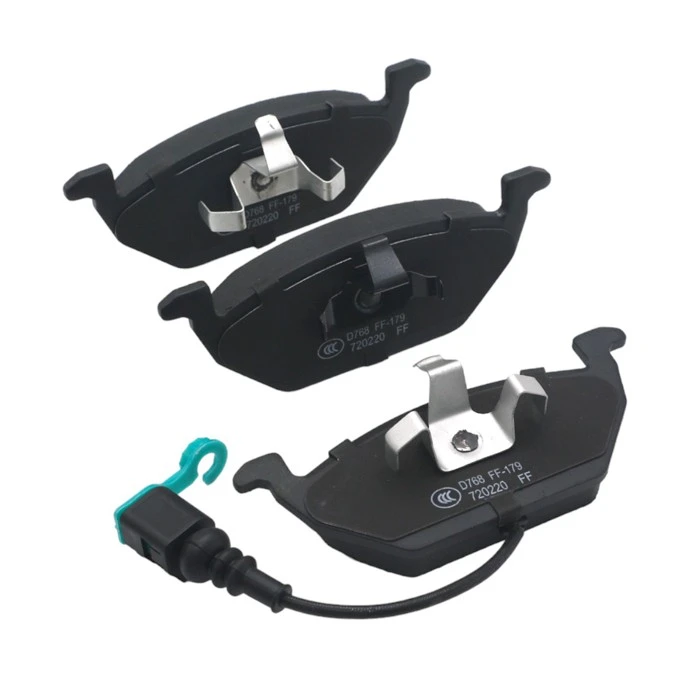

Factors Affecting the Noise Level of Off-Road Brake Pads
Pad Material
The material of the brake pads is one of the primary factors influencing noise. There are several types of brake pad materials commonly used in off-road applications, each with its own noise profile.
- Semi-Metallic Brake Pads: These pads are made of a mixture of metal fibers (such as steel, copper, and iron) and other friction materials. Semi-metallic brake pads are known for their high heat resistance and excellent stopping power, which are essential for off-road driving. However, they tend to produce more noise compared to other materials. The metal fibers can cause vibrations and generate a squealing or grinding noise, especially when the brakes are cold or under heavy braking.
- Ceramic Brake Pads: Ceramic brake pads are composed of ceramic fibers, bonding agents, and other fillers. They are popular for their quiet operation, low dust production, and long service life. Front Ceramic Brake Pads are often a preferred choice for off-road vehicles that require a balance between performance and noise reduction. The ceramic material has excellent heat dissipation properties, which helps to reduce the likelihood of brake fade and noise.
- Organic Brake Pads: Organic brake pads are made from natural materials such as rubber, glass, and resin. They are generally the quietest type of brake pads but may have lower heat resistance and stopping power compared to semi-metallic and ceramic pads. Organic brake pads are suitable for light off-road use or vehicles that do not require extreme braking performance.
Rotor Condition
The condition of the brake rotors also has a significant impact on the noise level of the brake pads. Worn or damaged rotors can cause uneven contact between the pads and the rotors, leading to vibrations and noise. Some common rotor issues that can contribute to brake noise include:
- Warped Rotors: Warped rotors can cause the brake pads to vibrate as they come into contact with the uneven surface. This can result in a pulsating or squealing noise, especially when the brakes are applied.
- Grooved Rotors: Grooves or scoring on the rotor surface can prevent the brake pads from making full contact, leading to uneven wear and noise. Grooved rotors may also cause the brake pads to chatter or produce a grinding noise.
- Rust or Corrosion: Rust or corrosion on the rotors can affect the friction between the pads and the rotors, causing noise and reduced braking performance. It is important to keep the rotors clean and free from rust to minimize brake noise.
Driving Conditions
Off-road driving involves a variety of challenging conditions, such as mud, sand, rocks, and steep inclines. These conditions can put additional stress on the brake system and increase the likelihood of brake noise. For example:
- Mud and Dirt: Mud and dirt can get trapped between the brake pads and the rotors, causing abrasion and noise. The debris can also affect the friction between the pads and the rotors, leading to reduced braking performance.
- High-Speed Braking: Off-road vehicles often need to brake suddenly and at high speeds, especially when descending steep hills or avoiding obstacles. High-speed braking can generate a lot of heat and cause the brake pads to wear more quickly, increasing the risk of noise and brake fade.
- Frequent Braking: Frequent braking during off-road driving can cause the brake pads to heat up and wear unevenly, leading to noise and reduced performance. It is important to use the brakes judiciously and allow them to cool down between braking applications.
Typical Noise Characteristics of Off-Road Brake Pads
Squealing Noise
Squealing is one of the most common types of brake noise and is often caused by vibrations between the brake pads and the rotors. Squealing can occur at various speeds and under different braking conditions. It is usually more noticeable when the brakes are cold or when the vehicle is traveling at low speeds. Squealing noise can be caused by several factors, including:
- Pad Glazing: Pad glazing occurs when the surface of the brake pads becomes smooth and hard due to excessive heat. Glazed pads can cause the brakes to squeal as they slide across the rotors without proper friction.
- Rotor Contamination: Contamination on the rotor surface, such as oil, grease, or brake dust, can reduce the friction between the pads and the rotors and cause squealing.
- Incorrect Pad Installation: Incorrect installation of the brake pads, such as improper alignment or loose hardware, can cause vibrations and squealing.
Grinding Noise
Grinding noise is a more serious type of brake noise and usually indicates a problem with the brake system. Grinding noise is often caused by metal-to-metal contact between the brake pads and the rotors, which can occur when the brake pads are worn down to the metal backing plate. Grinding noise can also be caused by:
- Foreign Objects: Foreign objects, such as rocks or debris, can get trapped between the brake pads and the rotors, causing abrasion and grinding noise.
- Worn Rotors: Worn or damaged rotors can cause the brake pads to grind against the uneven surface, leading to noise and reduced braking performance.
- Brake Caliper Issues: Problems with the brake calipers, such as sticking or uneven pressure, can cause the brake pads to wear unevenly and produce a grinding noise.
Chattering Noise
Chattering noise is a rapid, pulsating noise that can occur when the brakes are applied. Chattering noise is often caused by uneven contact between the brake pads and the rotors, which can be due to:
- Warped Rotors: Warped rotors can cause the brake pads to vibrate as they come into contact with the uneven surface, resulting in chattering noise.
- Loose Brake Components: Loose or worn brake components, such as caliper bolts or brake pads, can cause vibrations and chattering noise.
- Air in the Brake Lines: Air in the brake lines can cause the brake pedal to feel spongy and the brakes to chatter. It is important to bleed the brake lines regularly to remove any air and ensure proper brake operation.
Managing and Minimizing Brake Noise
Choose the Right Brake Pads
As an off-road brake pads supplier, I recommend choosing the right brake pads based on your specific driving needs and preferences. Top Brake Pads are designed to provide a balance between performance and noise reduction. Consider the following factors when selecting brake pads:
- Driving Style: If you are an aggressive driver who frequently engages in high-speed braking and off-road adventures, semi-metallic or ceramic brake pads may be a better choice. If you have a more conservative driving style and mainly use your vehicle for light off-road use, organic brake pads may be sufficient.
- Vehicle Type: Different vehicles have different braking requirements. Make sure to choose brake pads that are compatible with your vehicle's make, model, and year.
- Noise Tolerance: If noise is a major concern for you, consider choosing ceramic brake pads, which are known for their quiet operation.
Maintain the Brake System
Regular maintenance of the brake system is essential to minimize brake noise and ensure optimal performance. Some important maintenance tasks include:
- Inspect the Brake Pads and Rotors: Regularly inspect the brake pads and rotors for wear, damage, and contamination. Replace the brake pads when they reach the recommended thickness and resurface or replace the rotors if they are worn or damaged.
- Clean the Rotors: Keep the rotors clean and free from rust, dirt, and debris. Use a brake cleaner to remove any contaminants from the rotor surface.
- Lubricate the Brake Components: Lubricate the brake caliper slides, pins, and other moving parts to ensure smooth operation and reduce noise. Use a high-temperature brake lubricant that is compatible with your brake system.
- Bleed the Brake Lines: Bleed the brake lines regularly to remove any air and ensure proper brake operation. Air in the brake lines can cause the brakes to feel spongy and produce noise.
Adjust the Driving Habits
Your driving habits can also have an impact on the noise level of the brake pads. By adjusting your driving habits, you can reduce the stress on the brake system and minimize brake noise. Some tips for reducing brake noise include:
- Avoid Sudden Braking: Sudden braking can generate a lot of heat and cause the brake pads to wear more quickly, increasing the risk of noise and brake fade. Try to anticipate stops and brake gradually to reduce the stress on the brake system.
- Use Engine Braking: Engine braking is a technique that involves using the engine to slow down the vehicle instead of relying solely on the brakes. This can help to reduce the wear on the brake pads and minimize brake noise, especially when descending steep hills.
- Keep a Safe Distance: Maintaining a safe distance from the vehicle in front of you can give you more time to react and brake gradually, reducing the need for sudden braking.
Conclusion
The noise level of off-road brake pads during normal use is influenced by several factors, including the pad material, rotor condition, and driving conditions. While some brake noise is normal, excessive noise can be a sign of a problem with the brake system. As an off-road brake pads supplier, I understand the importance of providing high-quality brake pads that offer a balance between performance and noise reduction. Car Front Brake Pads are just one of the many products we offer to meet the diverse needs of off-road enthusiasts.
If you are looking for reliable off-road brake pads or have any questions about brake noise, please feel free to contact us for more information and to discuss your specific requirements. We are committed to providing the best solutions for your off-road braking needs.
References
- Bosch Automotive Aftermarket. (n.d.). Brake Pad Noise: Causes and Solutions. Retrieved from [Bosch Website]
- Motor Trend. (n.d.). How to Reduce Brake Noise. Retrieved from [Motor Trend Website]
- StopTech. (n.d.). Understanding Brake Noise. Retrieved from [StopTech Website]