

As a seasoned supplier of automobile brake shoes, I often receive inquiries from customers about how to check the thickness of these crucial components. Brake shoes are a vital part of a vehicle's braking system, and their proper functioning is essential for safety on the road. In this blog post, I'll share some practical methods for checking the thickness of automobile brake shoes, ensuring that your customers can maintain their vehicles in top - notch condition.
Why Checking Brake Shoe Thickness is Important
Before delving into the checking methods, it's important to understand why monitoring brake shoe thickness is so crucial. Over time, brake shoes wear down due to the friction generated when the brakes are applied. If the brake shoes become too thin, they may not be able to generate sufficient friction to stop the vehicle effectively. This can lead to longer stopping distances, reduced braking performance, and in extreme cases, brake failure. Regularly checking the brake shoe thickness allows you to identify when it's time for a replacement, preventing potential safety hazards.
Tools Required for Checking Brake Shoe Thickness
To check the thickness of automobile brake shoes, you'll need a few basic tools:
- Jack and Jack Stands: These are used to lift the vehicle safely off the ground. Make sure to follow all safety procedures when using a jack and jack stands.
- Lug Wrench: This is used to remove the wheel from the vehicle.
- Brake Caliper Tool (for Disc Brakes): If your vehicle has disc brakes, you'll need a brake caliper tool to compress the caliper piston.
- Feeler Gauge or Vernier Caliper: These tools are used to measure the thickness of the brake shoes accurately.
Step - by - Step Guide to Checking Brake Shoe Thickness
Step 1: Prepare the Vehicle
Park the vehicle on a flat, level surface and engage the parking brake. Place wheel chocks behind the rear wheels to prevent the vehicle from rolling. Use the jack to lift the front or rear end of the vehicle, depending on which brakes you want to check, and secure it with jack stands.
Step 2: Remove the Wheel
Use the lug wrench to loosen the lug nuts on the wheel. Once the lug nuts are loose, remove the wheel and set it aside.
Step 3: Locate the Brake Shoes
The location of the brake shoes depends on whether your vehicle has disc brakes or drum brakes.

- Disc Brakes: If your vehicle has disc brakes, the brake pads (similar to brake shoes in function) are located inside the brake caliper. You may need to use a brake caliper tool to compress the caliper piston to access the brake pads.
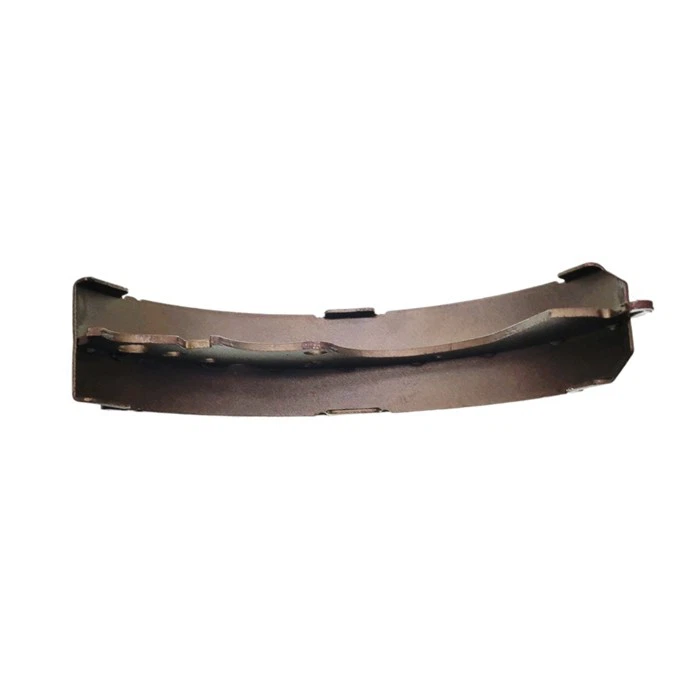
- Drum Brakes: For drum brakes, the brake shoes are located inside the brake drum. You'll need to remove the brake drum to access the brake shoes. This may require removing a retaining screw or clip.
Step 4: Measure the Brake Shoe Thickness
- Using a Feeler Gauge: Insert the feeler gauge between the brake shoe and the brake drum or rotor. Slide the feeler gauge until it fits snugly, and then read the measurement on the gauge. This measurement represents the thickness of the brake shoe.
- Using a Vernier Caliper: Place the jaws of the vernier caliper around the brake shoe and close them until they touch the shoe. Read the measurement on the caliper display.
Step 5: Compare the Measurement with the Manufacturer's Specifications
Every vehicle has specific manufacturer's specifications for the minimum and maximum brake shoe thickness. You can find these specifications in the vehicle's owner's manual or by contacting the vehicle manufacturer. If the measured thickness is below the minimum specification, it's time to replace the brake shoes.
Step 6: Reassemble the Vehicle
Once you've completed the measurement, reassemble the vehicle in the reverse order of disassembly. Make sure to tighten the lug nuts to the recommended torque specification.
Types of Automobile Brake Shoes Offered
As an automobile brake shoes supplier, we offer a wide range of brake shoes to meet the diverse needs of our customers. Here are some of the types we provide:
- Freight Car Brake Shoes: These brake shoes are designed for heavy - duty freight cars, providing reliable braking performance under extreme conditions.
- Handbrake Brake Shoes: Handbrake brake shoes are an essential part of the vehicle's parking brake system. Our handbrake brake shoes are made from high - quality materials to ensure long - lasting performance.
- Semi Truck Drum Brake Shoes: Semi - trucks require powerful braking systems to stop their heavy loads. Our semi - truck drum brake shoes are engineered to provide the necessary stopping power and durability.
Importance of Using High - Quality Brake Shoes
Using high - quality brake shoes is crucial for the safety and performance of your vehicle. Here's why:
- Safety: High - quality brake shoes are designed to provide consistent and reliable braking performance, reducing the risk of accidents.
- Durability: Quality brake shoes are made from superior materials that can withstand the heat and friction generated during braking, resulting in longer service life.
- Performance: Well - made brake shoes can improve the overall braking performance of your vehicle, including shorter stopping distances and better control.
Contact Us for Your Brake Shoe Needs
If you're in the market for high - quality automobile brake shoes, look no further. As a trusted supplier, we are committed to providing our customers with the best products and services. Whether you need Freight Car Brake Shoes, Handbrake Brake Shoes, or Semi Truck Drum Brake Shoes, we have the right solution for you.
Contact us today to discuss your brake shoe requirements. Our team of experts is ready to assist you in finding the perfect brake shoes for your vehicle.
References
- "Automotive Brake Systems: Principles and Diagnosis" by James D. Halderman
- Vehicle owner's manuals from various manufacturers