

As a supplier of copper free brake pads, I often get asked about the lifespan of these essential automotive components. Understanding the lifespan of copper free brake pads is crucial for both vehicle owners and those in the automotive industry. It not only affects safety but also impacts maintenance costs and overall vehicle performance.
Factors Affecting the Lifespan of Copper Free Brake Pads
The lifespan of copper free brake pads can vary significantly depending on several factors. One of the primary factors is driving habits. Aggressive driving, which includes frequent hard braking, rapid acceleration, and high - speed driving, can significantly reduce the lifespan of brake pads. Every time you stomp on the brakes, the brake pads experience a high level of friction and heat. This friction wears down the material of the brake pads over time. In contrast, gentle driving with smooth braking and acceleration can extend the life of the brake pads.
Another important factor is the type of vehicle. Different vehicles have different braking requirements. Larger vehicles, such as trucks and SUVs, typically have more weight to stop, which means the brake pads have to work harder. As a result, the brake pads on these vehicles may wear out faster compared to smaller cars. Additionally, the design of the braking system, including the size of the brake rotors and calipers, can also influence the lifespan of the brake pads.
The environment in which the vehicle is driven also plays a role. Driving in mountainous areas with steep slopes requires more frequent and intense braking, which can lead to quicker wear of the brake pads. Similarly, driving in stop - and - go traffic, such as in a busy city, also subjects the brake pads to more stress as they are constantly being used. On the other hand, vehicles driven mainly on highways with consistent speeds may experience less wear on the brake pads.
Types of Copper Free Brake Pads and Their Lifespans
There are several types of copper free brake pads available in the market, each with its own characteristics and expected lifespan.
Ceramic Brake Pads
Ceramic brake pads are a popular choice among vehicle owners. They are known for their quiet operation, low dust production, and good braking performance. Front Ceramic Brake Pads are designed to provide reliable stopping power while minimizing noise and mess. Generally, ceramic brake pads can last between 30,000 to 70,000 miles. Their long lifespan is due to the hard and durable ceramic material they are made of. This material can withstand high temperatures without significant wear, making it suitable for a wide range of driving conditions.
Slotted Ceramic Brake Pads
Slotted Ceramic Brake Pads are an upgraded version of ceramic brake pads. The slots in these brake pads serve several purposes. They help to dissipate heat more effectively, which reduces the risk of brake fade. Brake fade occurs when the brake pads overheat, causing a decrease in braking performance. By allowing heat to escape, slotted ceramic brake pads can maintain their performance for a longer period. The lifespan of slotted ceramic brake pads is similar to that of regular ceramic brake pads, typically ranging from 30,000 to 70,000 miles. However, in some cases, with proper driving and maintenance, they may even last longer.
High Friction Brake Pads
High Friction Brake Pads are designed for high - performance vehicles or for drivers who require maximum braking power. These brake pads have a higher coefficient of friction, which means they can generate more stopping force. However, this also means that they may wear out faster compared to other types of brake pads. The lifespan of high - friction brake pads can be anywhere from 20,000 to 50,000 miles, depending on driving conditions and vehicle usage.
Maintenance and Inspection
Proper maintenance and regular inspection can significantly extend the lifespan of copper free brake pads. One of the most important maintenance tasks is to keep the braking system clean. Dirt, debris, and rust can accumulate on the brake pads and rotors, which can cause uneven wear and reduce braking performance. Regularly cleaning the brake components can help prevent this.
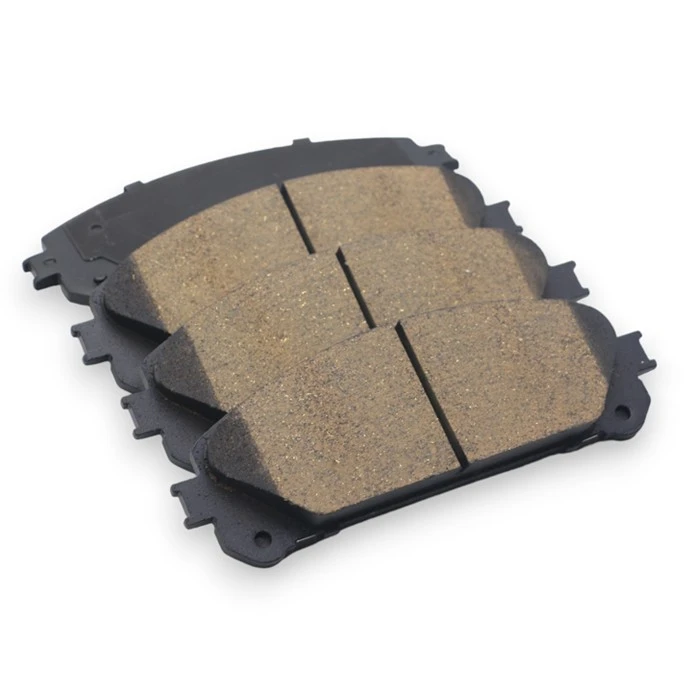

It is also essential to have the brake system inspected regularly by a professional mechanic. A mechanic can check the thickness of the brake pads, the condition of the rotors, and the operation of the calipers. If the brake pads are worn beyond the recommended thickness, they should be replaced immediately to ensure safe driving. Additionally, the mechanic can also identify any potential problems with the braking system, such as leaks or sticking calipers, and address them before they cause further damage.
Extending the Lifespan of Copper Free Brake Pads
There are several steps that vehicle owners can take to extend the lifespan of their copper free brake pads. First, they should practice good driving habits. This includes anticipating stops and starting to brake early, rather than waiting until the last minute. By braking gently and gradually, the stress on the brake pads is reduced, which can help them last longer.
Another way to extend the lifespan of the brake pads is to avoid overloading the vehicle. Excess weight puts more strain on the braking system, causing the brake pads to wear out faster. Vehicle owners should also ensure that their tires are properly inflated. Under - inflated tires can increase rolling resistance, which means the vehicle requires more braking force to stop.
Conclusion
In conclusion, the lifespan of copper free brake pads can vary widely depending on driving habits, vehicle type, environment, and the type of brake pads. Ceramic brake pads and slotted ceramic brake pads generally have a longer lifespan, ranging from 30,000 to 70,000 miles, while high - friction brake pads may last between 20,000 to 50,000 miles. By practicing good driving habits, performing regular maintenance, and having the braking system inspected regularly, vehicle owners can extend the lifespan of their copper free brake pads.
If you are in the market for high - quality copper free brake pads, I encourage you to reach out for a procurement discussion. Our company offers a wide range of copper free brake pads, including Front Ceramic Brake Pads, Slotted Ceramic Brake Pads, and High Friction Brake Pads. We are committed to providing our customers with the best products and services to meet their automotive needs.
References
- Bosch Automotive Aftermarket: Technical Information on Brake Systems
- Wagner Brake: Guide to Brake Pad Lifespan and Maintenance
- Automotive Brake Manufacturers Council: Research on Brake Pad Performance and Durability