

Brake noise can be a significant annoyance for vehicle owners and operators, not to mention a potential sign of underlying issues with the braking system. As a brake shoes supplier, I understand the importance of providing solutions to reduce this noise. In this blog post, I'll share some effective strategies and insights on how to minimize the noise from brake shoes.
Understanding the Causes of Brake Noise
Before we delve into the solutions, it's crucial to understand what causes brake noise in the first place. There are several factors that can contribute to this problem:
- Friction Material Composition: The type of friction material used in the brake shoes plays a vital role. Some materials are more prone to generating noise due to their hardness, abrasiveness, or chemical composition. For example, low - quality friction materials may contain impurities or have an inconsistent structure, leading to uneven contact with the brake drum or rotor and resulting in noise.
- Brake System Design: The design of the entire brake system, including the brake shoes, drum, or rotor, can also affect noise levels. Poorly designed brake components may not fit properly, causing vibrations and noise during braking. Additionally, the spacing between the brake shoes and the drum or rotor, as well as the way the shoes are installed, can impact noise generation.
- Environmental Factors: External factors such as moisture, dust, and temperature can influence brake noise. Moisture can cause rust and corrosion on the brake components, which can lead to uneven wear and noise. Dust and debris can get trapped between the brake shoes and the drum or rotor, causing abrasion and noise. Extreme temperatures can also affect the performance of the friction material, making it more likely to produce noise.
Strategies to Reduce Brake Noise
1. Choose High - Quality Friction Materials
One of the most effective ways to reduce brake noise is to use high - quality friction materials. These materials are specifically engineered to provide smooth and quiet braking performance. They are formulated to have a consistent structure and composition, which helps to minimize vibrations and noise.
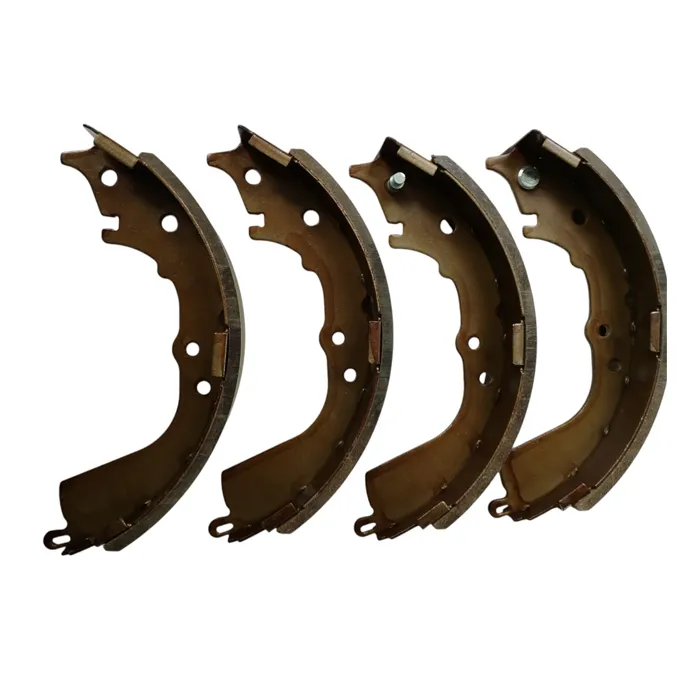
As a brake shoes supplier, we offer a wide range of high - quality friction materials for different applications. Our Rear Drum Parking Brake Shoes and Freight Car Brake Shoes are made from advanced friction materials that are designed to reduce noise and provide long - lasting performance.
2. Ensure Proper Installation
Proper installation of the brake shoes is essential for reducing noise. Incorrect installation can lead to uneven contact between the brake shoes and the drum or rotor, which can cause vibrations and noise. When installing brake shoes, it's important to follow the manufacturer's instructions carefully.
Here are some key installation tips:
- Clean the Components: Before installing the brake shoes, make sure to clean the brake drum or rotor thoroughly. Remove any rust, dirt, or debris to ensure a smooth surface for the shoes to contact.
- Check the Clearance: Ensure that the clearance between the brake shoes and the drum or rotor is within the specified range. Too much clearance can cause the shoes to rattle, while too little clearance can lead to excessive friction and noise.
- Use the Right Hardware: Use the correct hardware, such as springs and pins, to secure the brake shoes in place. Loose or damaged hardware can cause the shoes to move around, resulting in noise.
3. Apply Anti - Noise Treatments
There are several anti - noise treatments available that can help reduce brake noise. These treatments work by dampening vibrations and reducing friction between the brake shoes and the drum or rotor.
- Brake Grease: Applying a thin layer of brake grease to the contact points between the brake shoes and the caliper or backing plate can help reduce noise. The grease acts as a lubricant, reducing friction and preventing metal - to - metal contact.
- Noise - Dampening Shims: Noise - dampening shims are thin pieces of material that are placed between the brake shoes and the caliper or backing plate. These shims help to absorb vibrations and reduce noise.
4. Maintain the Brake System Regularly
Regular maintenance of the brake system is crucial for reducing noise and ensuring optimal performance. Here are some maintenance tips:
- Inspect the Brake Components: Regularly inspect the brake shoes, drum, or rotor for wear and damage. Replace any worn or damaged components promptly to prevent further noise and potential safety issues.
- Clean the Brake System: Clean the brake system periodically to remove dust, debris, and moisture. This can help prevent rust and corrosion, which can lead to noise.
- Adjust the Brakes: If necessary, adjust the brakes to ensure proper operation. Over time, the brake shoes may wear down, causing the brakes to become less effective and potentially noisy. Adjusting the brakes can help restore their performance and reduce noise.
Conclusion
Reducing the noise from brake shoes is a multi - faceted process that involves choosing high - quality friction materials, ensuring proper installation, applying anti - noise treatments, and maintaining the brake system regularly. As a brake shoes supplier, we are committed to providing our customers with the best products and solutions to minimize brake noise and ensure safe and quiet braking performance.
If you're experiencing brake noise or are looking for high - quality brake shoes, we invite you to contact us for more information. Our team of experts is ready to assist you with your brake shoe needs and help you find the right solutions for your vehicles or equipment.

References
- SAE International. "Brake Noise and Vibration: Causes, Diagnosis, and Solutions." SAE Technical Paper Series, 2018.
- Bosch. "Brake System Handbook." Robert Bosch GmbH, 2020.
- Motor Age Magazine. "Understanding and Solving Brake Noise Problems." Motor Age, 2019.