

Hey there! I'm a supplier of bus brake pads, and today I want to have a chat about the impact of these little but crucial components on the environment.
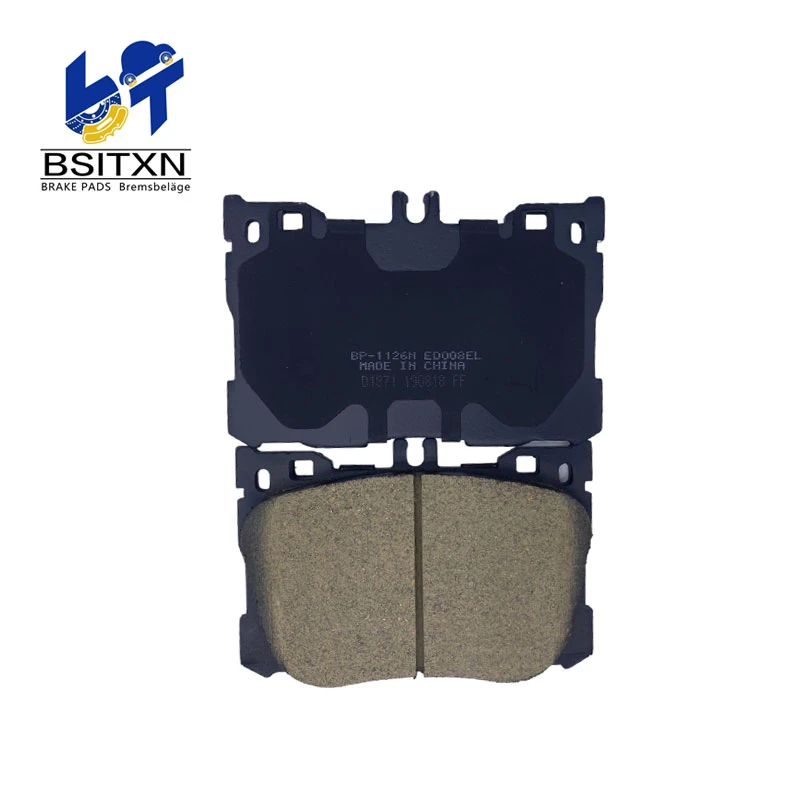

First off, let's understand what bus brake pads are and what they do. Bus brake pads are essential parts of a bus's braking system. When you hit the brakes, the brake pads press against the brake rotors, creating friction that slows down or stops the bus. Simple, right? But the materials used in these brake pads can have a big impact on the environment.
Traditional Brake Pad Materials and Their Environmental Impact
Most traditional brake pads are made from semi - metallic materials. These materials usually contain a mix of metals like iron, copper, and steel, along with some organic compounds. While they're great at providing the necessary friction for braking, they come with a few environmental drawbacks.
One of the major issues is the wear and tear of these brake pads. As the bus moves and brakes are applied, tiny particles of the brake pad material are released into the air. These particles, known as brake dust, can be harmful to both the environment and human health. For example, copper, which is commonly used in semi - metallic brake pads, can be toxic to aquatic life when it enters water bodies through runoff. Studies have shown that high levels of copper in water can disrupt the reproductive systems of fish and other aquatic organisms.
Another problem is the energy required to produce these brake pads. Mining and processing the metals used in semi - metallic brake pads consume a significant amount of energy. This energy often comes from non - renewable sources like coal and natural gas, which contribute to greenhouse gas emissions and climate change.
Alternative Brake Pad Materials and Their Environmental Benefits
Now, let's talk about some of the alternative brake pad materials that are more environmentally friendly.
Carbon Fiber Brake Pad
Carbon fiber brake pads, like the ones you can check out here, are a great option. Carbon fiber is a lightweight and strong material. These brake pads produce less brake dust compared to traditional semi - metallic ones. Since carbon fiber is not a heavy metal, the particles released during braking are less likely to cause harm to the environment.
Moreover, carbon fiber brake pads are more energy - efficient in terms of production. The manufacturing process of carbon fiber involves less energy - intensive steps compared to mining and processing metals. This means that the overall carbon footprint of carbon fiber brake pads is lower.
Carbon Metallic Brake Pads
Carbon metallic brake pads are another alternative. They combine the benefits of carbon fiber and metallic materials. These brake pads offer good braking performance while reducing the amount of harmful brake dust. The carbon content helps to minimize the release of heavy metals into the environment, and they also tend to have a longer lifespan than traditional brake pads. This means fewer brake pads need to be produced and disposed of over time, which is better for the environment.
Quiet Brake Pads
Quiet brake pads are not only great for a noise - free ride but also have some environmental advantages. Many quiet brake pads are made from materials that are less abrasive, which means they produce less brake dust. They also often use more sustainable manufacturing processes, reducing their environmental impact.
The Lifecycle of Bus Brake Pads and Environmental Considerations
The environmental impact of bus brake pads doesn't stop at their production and use. We also need to consider what happens when these brake pads reach the end of their lifespan.
Disposal of used brake pads is a significant issue. Traditional brake pads, especially those with high metal content, can end up in landfills. Over time, the metals in these brake pads can leach into the soil and groundwater, causing pollution. Recycling is an option, but the process can be complex and expensive, especially for semi - metallic brake pads.
On the other hand, alternative brake pads like carbon fiber and carbon metallic ones are often easier to recycle. Carbon fiber can be re - used in other applications, and the recycling process for carbon metallic brake pads is generally more straightforward compared to traditional ones. This reduces the amount of waste going to landfills and conserves natural resources.
The Role of Bus Brake Pad Suppliers in Environmental Sustainability
As a bus brake pad supplier, I feel a great responsibility towards the environment. We're constantly researching and developing new brake pad materials that are more environmentally friendly. We're also working on improving our manufacturing processes to reduce energy consumption and waste.
For example, we're exploring ways to use recycled materials in our brake pads. By using recycled metals and carbon fiber, we can reduce the demand for virgin materials and lower our environmental impact. We're also looking into more efficient production techniques that use less energy and produce fewer emissions.
Conclusion and Call to Action
In conclusion, the impact of bus brake pads on the environment is significant, but there are steps we can take to minimize it. By choosing alternative brake pad materials like carbon fiber and carbon metallic brake pads, we can reduce brake dust pollution, lower energy consumption during production, and make the disposal process more sustainable.
If you're in the market for bus brake pads, I encourage you to consider the environmental impact of your choice. Whether you're a bus operator, a fleet manager, or someone involved in the transportation industry, every decision you make can contribute to a greener future.
If you're interested in learning more about our environmentally friendly bus brake pads or want to start a procurement discussion, feel free to reach out. Let's work together to make the transportation industry more sustainable!
References
- "Environmental Impact of Brake Wear Particles" - Journal of Environmental Science and Technology
- "Sustainable Materials for Automotive Brake Systems" - International Journal of Automotive Engineering