

Fade resistance is a critical factor when it comes to autocross brake pads. As a supplier of Autocross Brake Pads, I've seen firsthand the importance of this characteristic in high - performance driving scenarios.
Autocross is a form of motorsport that involves navigating a pre - set course in the shortest time possible. It typically takes place in large, open areas like parking lots. The nature of autocross demands rapid acceleration, high - speed cornering, and most importantly, frequent and intense braking. During an autocross event, a driver may need to decelerate from relatively high speeds multiple times within a short period. This puts a tremendous amount of stress on the brake system, especially the brake pads.
So, what exactly is fade resistance? Brake fade occurs when the braking performance of a vehicle deteriorates due to excessive heat buildup in the brake system. When you apply the brakes, the friction between the brake pads and the brake rotors converts the kinetic energy of the moving vehicle into heat. In normal driving conditions, the brake system can dissipate this heat effectively. However, in autocross, where the braking is more aggressive and frequent, the heat generated can quickly overwhelm the cooling capacity of the brakes.
There are three main types of brake fade: friction fade, fluid fade, and mechanical fade. Friction fade is the most common type in autocross. It happens when the high temperature causes a change in the friction material of the brake pads. The binder in the brake pad material can start to break down, and a layer of gas or vapor can form between the pad and the rotor. This reduces the coefficient of friction, meaning that the brake pads can no longer grip the rotors as effectively, and the braking force is significantly reduced.
Fluid fade occurs when the brake fluid reaches its boiling point. Brake fluid is responsible for transmitting the force from the brake pedal to the brake calipers. When it boils, it forms vapor bubbles. Since gases are compressible, the pedal feel becomes spongy, and the braking force is not transmitted efficiently to the brakes.

Mechanical fade is less common but can still occur. It is usually caused by physical damage to the brake components, such as warped rotors or worn - out calipers. In autocross, the high - stress environment can exacerbate any pre - existing mechanical issues.
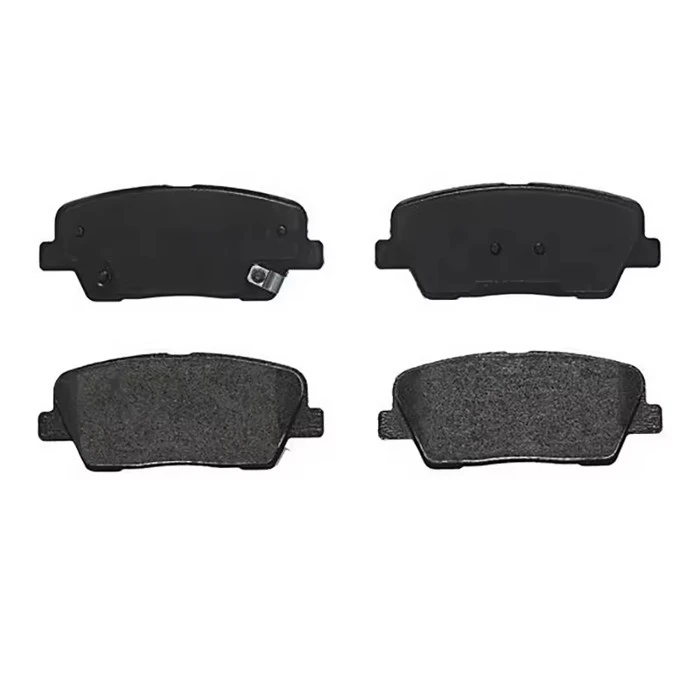
As a supplier of autocross brake pads, we understand the need for high fade resistance. Our Autocross Brake Pads are designed to withstand the extreme heat generated during autocross events. We use advanced friction materials that have a high coefficient of friction even at elevated temperatures. These materials are carefully formulated to resist the breakdown of the binder and the formation of the vapor layer that causes friction fade.
One of the key features of our brake pads is their ability to maintain consistent performance throughout an autocross run. We have conducted extensive testing on our products, simulating the intense braking conditions of autocross. Our pads are able to provide reliable stopping power, lap after lap, without experiencing significant fade.
In addition to high - performance friction materials, we also pay attention to the design of the brake pads. The shape and surface area of the pads are optimized to ensure even heat distribution. This helps to prevent hot spots from forming on the rotors, which can lead to uneven wear and reduced braking performance.
Another aspect we consider is the compatibility with different brake systems. Autocross vehicles can have a wide range of brake configurations, from stock brakes to highly modified racing setups. Our Autocross Brake Pads are engineered to work well with various calipers, rotors, and brake fluids. We offer different pad compounds to suit different driving styles and vehicle requirements.
For those who are looking for a more environmentally friendly option, we also offer Car Ceramic Brake Pads. Ceramic brake pads have several advantages in terms of fade resistance. They have a higher melting point than traditional semi - metallic pads, which means they can withstand higher temperatures without experiencing friction fade. They also produce less dust, which is not only better for the environment but also helps to keep the wheels clean.
Our Less Metal Brake Pads are another option for autocross enthusiasts. These pads have a reduced metal content, which can help to reduce the noise and vibration associated with braking. They also tend to have a more consistent friction coefficient, which contributes to better fade resistance.
When choosing autocross brake pads, it's important to consider the specific needs of your vehicle and your driving style. If you are a novice autocross driver, you may not need the most extreme high - performance pads. However, if you are a competitive driver aiming for the fastest lap times, you will definitely want brake pads with excellent fade resistance.
We also provide technical support to our customers. Our team of experts can help you select the right brake pads for your vehicle and offer advice on brake system maintenance. We understand that proper maintenance is crucial for ensuring the long - term performance and fade resistance of the brakes. This includes regular inspection of the brake components, checking the brake fluid level and quality, and replacing worn - out parts in a timely manner.
In conclusion, fade resistance is a vital characteristic of autocross brake pads. It determines the braking performance and safety of the vehicle during high - stress autocross events. As a supplier, we are committed to providing high - quality brake pads that offer excellent fade resistance, consistent performance, and compatibility with a wide range of vehicles. If you are an autocross enthusiast or a professional racer looking for reliable brake pads, we invite you to contact us for more information and to discuss your specific requirements. Whether you need Autocross Brake Pads, Car Ceramic Brake Pads, or Less Metal Brake Pads, we have the products to meet your needs.
References:
- Bosch Automotive Handbook, 7th Edition
- SAE International - Society of Automotive Engineers Publications on Brake Technology
- Popular Mechanics Magazine - Articles on High - Performance Brakes