

When it comes to the performance and safety of a vehicle, the braking system plays a pivotal role. Among the various components of the braking system, brake pads are crucial as they directly interact with the brake rotors to slow down or stop the vehicle. As a supplier of car metallic brake pads, I often encounter questions about their compatibility with Anti - Lock Braking Systems (ABS). In this blog, I'll delve into this topic to provide a comprehensive understanding.
Understanding Car Metallic Brake Pads
Car metallic brake pads are made from a blend of metals, typically including steel, copper, and iron. These materials are compressed and bonded together under high pressure and temperature to form the brake pads. Metallic brake pads are known for their durability and excellent heat dissipation properties. They can withstand high - temperature conditions generated during heavy braking, making them suitable for high - performance vehicles and those used in demanding driving situations.
The high - temperature resistance of metallic brake pads means they can maintain their performance over long periods of use. They are less likely to fade compared to other types of brake pads, such as organic brake pads. Fading occurs when the brake pads lose their effectiveness due to overheating, which can be extremely dangerous, especially during emergency braking situations.
How ABS Systems Work
The Anti - Lock Braking System is designed to prevent the wheels from locking up during braking. When a driver applies the brakes hard, the ABS system rapidly pulses the brakes, allowing the wheels to continue rotating while still providing maximum braking force. This prevents skidding and allows the driver to maintain steering control of the vehicle.
ABS systems use sensors to monitor the speed of each wheel. If a wheel starts to lock up, the ABS control unit detects this and sends a signal to the hydraulic modulator, which adjusts the brake pressure on that particular wheel. This process happens very quickly, often several times per second, ensuring that the vehicle stops in the shortest possible distance without losing control.
Compatibility of Car Metallic Brake Pads with ABS Systems
In general, car metallic brake pads are compatible with ABS systems. The key reason for this compatibility lies in the consistent and reliable performance of metallic brake pads.
Friction and Braking Force
Metallic brake pads provide a high and consistent level of friction. This is essential for ABS systems because the system relies on accurate and predictable braking force. When the ABS system pulses the brakes, it needs to be able to modulate the pressure effectively based on the friction between the brake pads and the rotors. Metallic brake pads offer a stable friction coefficient, which allows the ABS system to work optimally.
For example, during emergency braking, the ABS system needs to be able to calculate the correct amount of brake pressure to apply to each wheel. If the friction coefficient of the brake pads is inconsistent, the ABS system may not be able to function accurately, which could lead to longer stopping distances or loss of control.
Heat Dissipation
As mentioned earlier, metallic brake pads have excellent heat dissipation properties. The ABS system can generate a significant amount of heat during operation, especially during repeated hard braking. If the brake pads cannot dissipate this heat effectively, they may overheat, leading to fading and reduced braking performance.
Metallic brake pads can handle the high - temperature environment created by the ABS system. They transfer heat away from the braking surface quickly, ensuring that the brake pads maintain their performance and the ABS system can continue to function properly.
Wear and Tear
Metallic brake pads are also relatively resistant to wear and tear. This is important for ABS systems because worn - out brake pads can cause uneven braking and affect the performance of the ABS. If one or more brake pads are worn out, the ABS system may not be able to distribute the brake pressure evenly among the wheels, which can lead to instability during braking.
Since metallic brake pads have a longer lifespan compared to some other types of brake pads, they are less likely to cause problems for the ABS system due to excessive wear.
Advantages of Using Car Metallic Brake Pads with ABS Systems
Enhanced Braking Performance
The combination of car metallic brake pads and ABS systems can significantly enhance the overall braking performance of a vehicle. The high friction of metallic brake pads, combined with the anti - lock functionality of the ABS system, allows for shorter stopping distances and better control during braking.
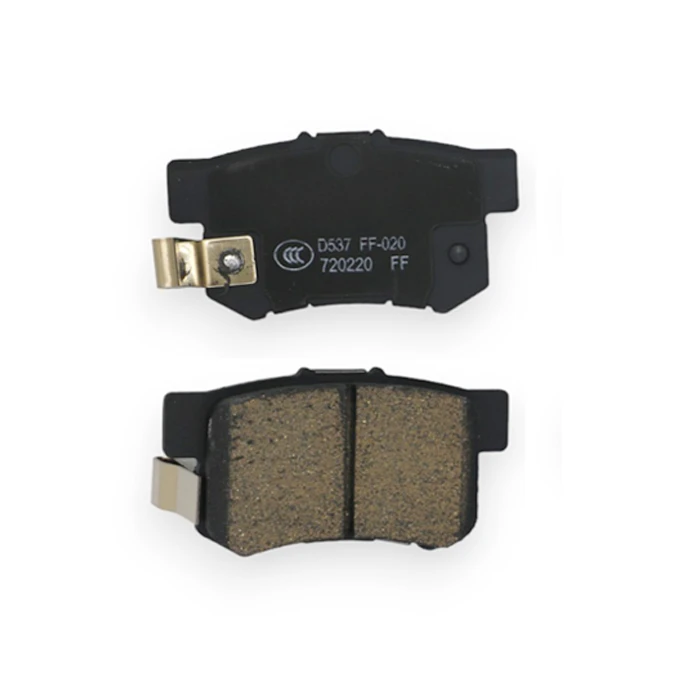
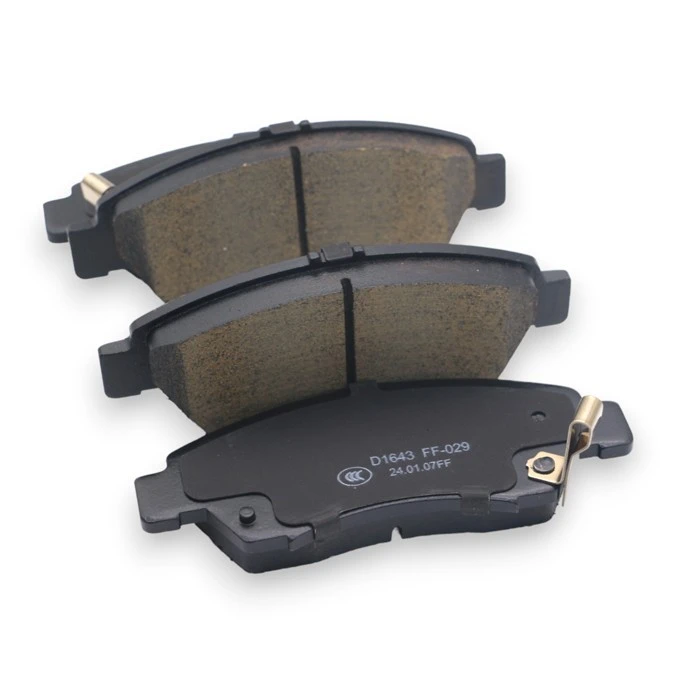
This is particularly beneficial in high - speed driving or emergency situations. For instance, if a driver needs to stop suddenly on a wet or slippery road, the ABS system can prevent skidding, while the metallic brake pads provide the necessary braking force to bring the vehicle to a stop quickly.
Durability
As a supplier of car metallic brake pads, I know that durability is a major selling point. When used with an ABS system, metallic brake pads can withstand the rigors of repeated braking and the high - temperature environment created by the system. This means that vehicle owners can enjoy longer intervals between brake pad replacements, which can save them time and money in the long run.
Considerations When Using Car Metallic Brake Pads with ABS Systems
Noise
One potential drawback of using car metallic brake pads is that they can be noisier compared to other types of brake pads, such as ceramic brake pads. The noise is usually caused by the metal particles in the brake pads rubbing against the brake rotors. While this noise does not necessarily affect the performance of the ABS system or the overall braking performance, it can be a nuisance for some drivers.
However, modern metallic brake pads are often designed with noise - reducing features, such as shims or special coatings, to minimize this problem.
Rotor Wear
Metallic brake pads can cause more wear on the brake rotors compared to ceramic brake pads. This is because the metal particles in the brake pads are harder and can abrade the surface of the rotors over time. It's important for vehicle owners to monitor the condition of their brake rotors when using metallic brake pads and replace them if necessary to ensure the continued proper functioning of the ABS system.
Other Brake Pad Options
If you're concerned about noise or rotor wear, there are other brake pad options available. For example, Ceramic Dust Free Brake Pads are known for their quiet operation and low dust production. They also cause less wear on the brake rotors. However, they may not provide the same level of high - performance braking as metallic brake pads, especially in extreme conditions.
Car Ceramic Brake Pads are another option. They offer a good balance between performance, noise reduction, and rotor wear. But again, if you have a high - performance vehicle or frequently drive in demanding conditions, metallic brake pads may still be the better choice.
For the rear brakes of your car, Car Rear Brake Pads are specifically designed to work in conjunction with the front brakes and the ABS system. These pads are engineered to provide the right amount of braking force to the rear wheels, which is crucial for overall vehicle stability during braking.
Conclusion
In conclusion, car metallic brake pads are generally compatible with ABS systems. Their high - performance characteristics, such as consistent friction, excellent heat dissipation, and durability, make them a suitable choice for vehicles equipped with ABS. While there are some considerations, such as noise and rotor wear, these can be managed with proper maintenance and the use of modern brake pad designs.
If you're in the market for high - quality car metallic brake pads, I encourage you to reach out for a procurement discussion. We can provide you with detailed information about our products, including their performance, compatibility, and pricing. Whether you're a vehicle manufacturer, a repair shop, or an individual looking to upgrade your vehicle's braking system, we have the expertise and products to meet your needs.
References
- Bosch Automotive Handbook. 8th Edition.
- SAE International - Society of Automotive Engineers publications on braking systems.
- Popular Mechanics Magazine articles on automotive braking technology.