

As a supplier of bus front brake pads, I've witnessed firsthand the importance of understanding how environmental factors, especially humidity, can impact the performance and longevity of our products. In this blog, I'll delve into the effects of humidity on bus front brake pads based on my years of experience in the industry.
How Humidity Affects Friction
Friction is the cornerstone of brake pad functionality. When the brake pedal is pressed, the brake pads clamp down on the brake rotors, creating friction that slows down or stops the bus. Humidity can have a significant impact on this friction coefficient.
In high - humidity environments, water molecules can form a thin layer between the brake pad and the rotor. This layer acts as a lubricant, reducing the friction between the two surfaces. As a result, the braking efficiency is compromised. The bus may require a longer braking distance, which is a serious safety concern, especially in emergency situations.
For example, in coastal areas where the humidity is often high, bus operators may notice that their brakes feel less responsive. The reduced friction can also lead to uneven wear on the brake pads. Since the pads are not gripping the rotors as effectively, some parts of the pads may experience more wear than others, shortening the overall lifespan of the product.
On the other hand, in low - humidity environments, the air is dry, and there is less moisture to interfere with the friction between the brake pad and the rotor. This generally results in more consistent braking performance. However, extremely low humidity can also cause issues. The dry air can cause the brake pad material to become brittle over time. Brittle brake pads are more prone to cracking and chipping, which can also lead to a decrease in braking efficiency and potentially dangerous situations.
Corrosion and Rust
Humidity is a major contributor to corrosion and rust, which can have a detrimental effect on bus front brake pads. When the humidity level is high, the moisture in the air can react with the metal components of the brake system, including the brake calipers, rotors, and even the backing plates of the brake pads.
Corrosion on the rotors can create an uneven surface. When the brake pads come into contact with a corroded rotor, the friction is no longer uniform. This can lead to vibrations during braking, which not only affects the comfort of the passengers but also indicates that the braking system is not working as efficiently as it should.
Rust on the brake calipers can cause them to stick. A sticking caliper may not apply the brake pads evenly across the rotor, resulting in uneven wear on the pads. In severe cases, a rusted caliper may not release the brake pads properly after the brake pedal is released, causing the brakes to drag. This not only increases fuel consumption but also generates excessive heat, which can further damage the brake pads.
As a brake pad supplier, we take steps to mitigate the effects of corrosion and rust. Our brake pads are treated with anti - corrosion coatings to protect the metal components. However, it's important for bus operators to also take preventive measures, such as regular inspections and maintenance of the brake system.
Moisture Absorption by Brake Pad Materials
The materials used in bus front brake pads can absorb moisture from the air, especially in high - humidity conditions. Different types of brake pad materials have different levels of moisture absorption.
Semi - metallic brake pads, which are commonly used in buses, contain a mixture of metal fibers and other materials. These pads can absorb some moisture, which can change their physical properties. The absorbed moisture can make the pads softer, reducing their ability to withstand high - temperature and high - pressure situations. This can lead to brake fade, where the brakes lose their effectiveness after repeated or prolonged use.
Ceramic brake pads, on the other hand, are less likely to absorb moisture. They are known for their stability in various environmental conditions. However, they are also more expensive than semi - metallic pads. As a supplier, we offer a range of brake pad materials to meet the different needs and budgets of our customers.
Impact on Braking Noise
Humidity can also affect the noise level produced during braking. In high - humidity conditions, the moisture between the brake pad and the rotor can cause the pads to squeal or make other unpleasant noises. This is often due to the change in the friction characteristics caused by the moisture.
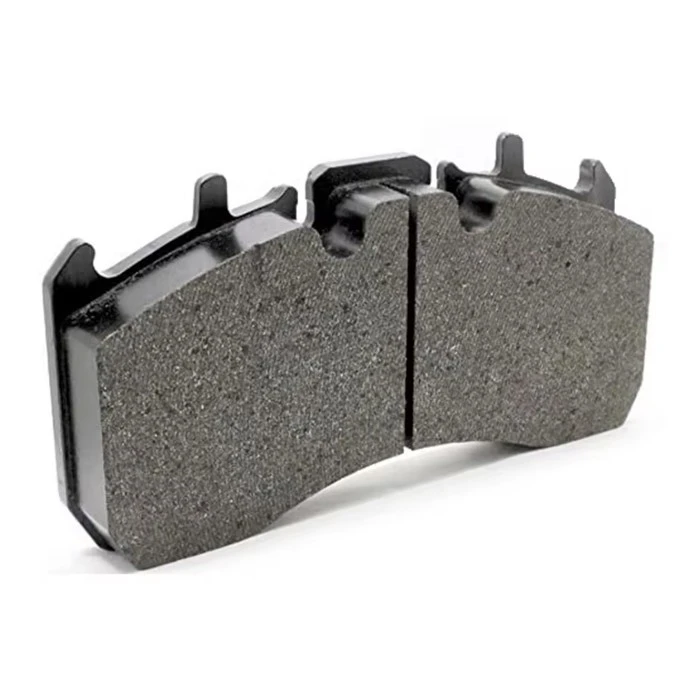

The noise not only affects the comfort of the passengers but can also be an indicator of potential problems with the braking system. For example, if the squealing is caused by uneven wear due to reduced friction in high - humidity, it may be a sign that the brake pads need to be replaced soon.
How to Adapt to Humidity - Related Issues
As a bus front brake pad supplier, we understand the challenges that humidity poses to the performance of our products. We work closely with bus manufacturers and operators to develop solutions to these problems.
For bus operators, regular maintenance is key. This includes checking the brake system for signs of corrosion, rust, and uneven wear. They should also ensure that the brake pads are properly lubricated to reduce the risk of sticking calipers. In high - humidity areas, it may be necessary to replace the brake pads more frequently to maintain optimal braking performance.
We also offer a range of brake pad products designed to withstand different humidity conditions. Our Rear Truck Brake Pads are engineered to resist corrosion and provide consistent performance in various environments. Similarly, our Transit Van Brake Pads and Commercial Brake Pads are designed with the specific needs of different types of vehicles in mind.
Conclusion
In conclusion, humidity has a significant impact on bus front brake pads. It affects friction, causes corrosion and rust, leads to moisture absorption by the brake pad materials, and can increase braking noise. As a supplier, we are committed to providing high - quality brake pads that can withstand the challenges posed by humidity.
If you are a bus manufacturer, operator, or distributor looking for reliable bus front brake pads, we invite you to contact us for procurement discussions. We have the expertise and experience to help you find the right brake pad solution for your specific needs.
References
- "The Science of Brake Friction Materials" - A research paper on the properties of brake pad materials and their interaction with environmental factors.
- "Corrosion Prevention in Brake Systems" - An industry report on the effects of corrosion on brake systems and preventive measures.
- "Moisture Absorption in Automotive Brake Pads" - A study on how different brake pad materials absorb moisture and its impact on performance.