

Hey there, fellow car enthusiasts and folks in the automotive industry! I'm a supplier of rear drum brake shoes, and today I wanna dive into how these nifty components work in wet conditions.
The Basics of Rear Drum Brake Shoes
First off, let's quickly go over how rear drum brake shoes work in normal, dry conditions. When you step on the brake pedal, hydraulic pressure is sent to the wheel cylinders in the brake drums. This pressure causes the wheel cylinders to push the brake shoes outwards against the inner surface of the brake drum. The friction between the brake shoes and the drum slows down the rotation of the wheel, bringing your vehicle to a stop.
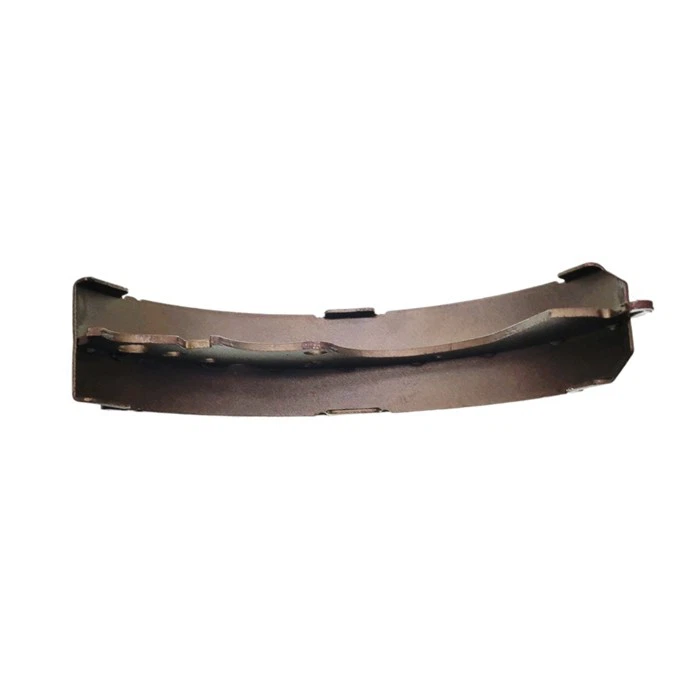
Now, the brake shoes are lined with a special friction material. This material is designed to provide the right amount of grip on the drum to stop the vehicle efficiently. Different types of friction materials have different properties, like heat resistance and durability.
What Happens in Wet Conditions
When it's wet outside, things get a bit tricky for rear drum brake shoes. Water can get into the brake drums through small openings or just from splashing up when you drive through puddles. Once water is inside the drum, it can have a significant impact on the braking performance.
Reduced Friction
The main problem is that water acts as a lubricant between the brake shoes and the drum. Instead of the brake shoes gripping the drum tightly, they kind of slide over it. This reduces the friction force that's needed to slow down the wheel. As a result, your vehicle might take longer to stop, and you might notice that the brakes feel spongy or less responsive.
Rust and Corrosion
Another issue is that water can cause rust and corrosion on the brake shoes and the drum. Rust can build up on the surface of the drum, creating an uneven surface. This unevenness can lead to inconsistent braking, where one side of the wheel might slow down faster than the other. It can also cause the brake shoes to wear out more quickly.
Steam Buildup
When you apply the brakes in wet conditions, the heat generated by the friction can turn the water into steam. This steam can create a layer between the brake shoes and the drum, further reducing the friction. It's like trying to stop a slippery surface with another slippery surface.
How Our Rear Drum Brake Shoes Handle Wet Conditions
As a rear drum brake shoe supplier, we've put a lot of effort into designing products that can perform well even in wet conditions.
Special Friction Materials
We use high - quality friction materials that are formulated to resist the effects of water. These materials are designed to maintain a certain level of friction even when they're wet. They have a unique composition that allows them to grip the drum better, even in the presence of water.
Anti - Corrosion Coatings
To prevent rust and corrosion, our brake shoes are coated with anti - corrosion materials. These coatings act as a barrier between the metal parts of the brake shoes and the water. They help to keep the brake shoes and the drum in good condition, ensuring consistent braking performance over time.
Ventilation Design
Our brake drums are designed with ventilation features. These features allow water to drain out of the drum more easily and also help to dissipate the steam that's generated when the brakes are applied. By keeping the drum dry and free of steam, we can maintain better friction between the brake shoes and the drum.

Tips for Driving in Wet Conditions
Even with high - quality rear drum brake shoes, it's important to take some precautions when driving in wet conditions.
Increase Following Distance
Since your vehicle might take longer to stop in wet conditions, it's a good idea to increase the distance between your car and the one in front of you. This gives you more time to react if you need to brake suddenly.
Gentle Braking
Avoid slamming on the brakes. Instead, apply the brakes gently and gradually. This helps to reduce the amount of steam that's generated and also gives the brake shoes a better chance of gripping the drum.
Check Your Brakes Regularly
Make sure to have your brakes checked regularly, especially if you drive in wet conditions frequently. A professional mechanic can inspect your brake shoes and drums for signs of wear, rust, or other issues.
Different Types of Brake Shoes We Offer
We're not just limited to rear drum brake shoes. We also offer a range of other brake shoes that might be of interest to you.
- Automobile Brake Shoes: These are designed for all types of automobiles. They're built to provide reliable braking performance in various conditions.
- Rear Disc Parking Brake Shoes: If you have a vehicle with rear disc parking brakes, these shoes are a great option. They're specifically designed for the parking brake system.
- Freight Car Brake Shoes: For those in the freight industry, our freight car brake shoes are built to handle the heavy loads and long - distance driving.
Contact Us for Your Brake Shoe Needs
If you're looking for high - quality rear drum brake shoes that can handle wet conditions and other challenges, look no further. We're here to provide you with the best products and excellent customer service. Whether you're a car owner, a mechanic, or a business in the automotive industry, we can meet your brake shoe needs. Reach out to us to start a conversation about your requirements and let's work together to keep your vehicles braking safely.
References
- Automotive Braking Systems Handbook
- Brake Technology Magazine articles on wet braking performance
- Research papers on the effects of water on brake friction materials