

As a trusted supplier of bus front brake pads, I often receive inquiries from customers about the braking distance associated with our products. Understanding the braking distance is crucial for ensuring the safety and efficiency of buses on the road. In this blog post, I will delve into the concept of braking distance, factors that influence it, and how our high - quality bus front brake pads can make a difference.
What is Braking Distance?
Braking distance refers to the distance a vehicle travels from the moment the brakes are applied until it comes to a complete stop. It is a critical safety parameter, especially for large vehicles like buses, which carry a significant number of passengers. A shorter braking distance means that the bus can stop more quickly in an emergency, reducing the risk of collisions.
The braking distance is not a fixed value; it can vary depending on several factors. These factors can be broadly categorized into vehicle - related factors, environmental factors, and human factors.
Factors Affecting Braking Distance
Vehicle - Related Factors
- Vehicle Speed: One of the most significant factors affecting braking distance is the speed of the bus. The higher the speed, the longer the braking distance. This is because a moving vehicle has kinetic energy, which is proportional to the square of its speed. For example, if the speed of a bus doubles, its kinetic energy quadruples. Our 29087 Truck Brake Pad is designed to handle different speeds effectively, providing reliable braking performance even at high velocities.
- Vehicle Weight: Buses are heavy vehicles, and their weight directly impacts the braking distance. Heavier buses require more force to stop. Our Heavy Duty Ceramic Brake Pads are engineered to handle the high loads associated with heavy - duty buses. They have excellent heat dissipation properties, which helps maintain consistent braking performance even under heavy loads.
- Brake System Condition: The condition of the brake system, including the brake pads, rotors, and calipers, is crucial for determining the braking distance. Worn - out brake pads have reduced friction, which can significantly increase the braking distance. Our bus front brake pads are made from high - quality materials that offer high friction coefficients and long service lives. They are designed to work in harmony with other components of the brake system to ensure optimal braking performance.
Environmental Factors
- Road Surface Conditions: The type of road surface and its condition can have a major impact on braking distance. Wet, icy, or slippery roads reduce the friction between the tires and the road, increasing the braking distance. Our brake pads are designed to provide good braking performance on various road surfaces. They can adapt to different levels of friction, helping to reduce the braking distance even in adverse conditions.
- Weather Conditions: Weather conditions such as rain, snow, and fog can also affect braking distance. In rainy or snowy conditions, the water or snow on the road surface acts as a lubricant, reducing the friction between the tires and the road. Our brake pads are tested under various weather conditions to ensure reliable performance in all seasons.
Human Factors
- Driver Reaction Time: The driver's reaction time is the time it takes for the driver to perceive a hazard and apply the brakes. This reaction time can vary from person to person and can be affected by factors such as fatigue, distraction, and alcohol or drug use. A longer reaction time means that the bus will continue to travel for a longer distance before the brakes are applied, increasing the overall stopping distance.
How Our Bus Front Brake Pads Reduce Braking Distance
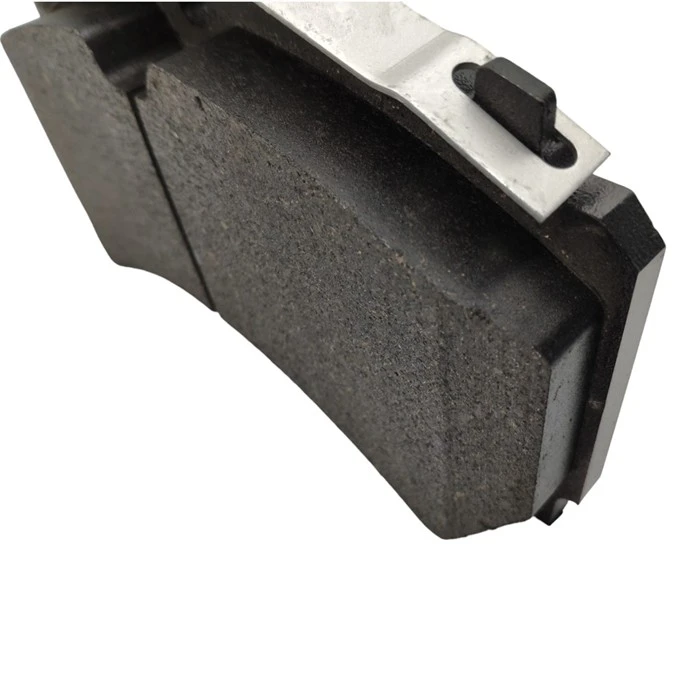
Our bus front brake pads are designed with several features that help reduce the braking distance:
- High - Quality Materials: We use high - quality friction materials in our brake pads. These materials have high friction coefficients, which means they can generate more braking force with less pressure. This results in shorter braking distances.
- Advanced Design: Our brake pads are designed with advanced geometries and ventilation channels. The ventilation channels help to dissipate heat generated during braking, preventing brake fade. Brake fade is a phenomenon where the braking performance decreases due to overheating of the brake pads. By preventing brake fade, our brake pads can maintain consistent braking performance, reducing the braking distance.
- Precision Manufacturing: We use precision manufacturing processes to ensure that our brake pads fit perfectly into the brake system. A proper fit ensures that the brake pads can apply even pressure on the rotors, maximizing the braking force and reducing the braking distance.
Importance of Reducing Braking Distance
Reducing the braking distance of buses is of utmost importance for several reasons:

- Safety: A shorter braking distance means that the bus can stop more quickly in an emergency, reducing the risk of collisions. This is especially important in urban areas where there are many pedestrians, cyclists, and other vehicles.
- Compliance: Many countries and regions have strict regulations regarding the braking performance of commercial vehicles. By using our high - quality bus front brake pads, bus operators can ensure that their vehicles comply with these regulations.
- Cost - Savings: Shorter braking distances can also lead to cost - savings. By reducing the risk of collisions, bus operators can avoid costly repairs, insurance claims, and downtime. Additionally, our long - lasting brake pads reduce the frequency of brake pad replacements, saving on maintenance costs.
Conclusion
In conclusion, the braking distance of a bus is influenced by several factors, including vehicle speed, weight, brake system condition, environmental factors, and human factors. Our bus front brake pads are designed to address these factors and reduce the braking distance. With high - quality materials, advanced design, and precision manufacturing, our brake pads offer reliable and consistent braking performance.
If you are a bus operator or a fleet manager looking for high - quality bus front brake pads that can reduce the braking distance of your vehicles, we would love to hear from you. Our Commercial Brake Pads are suitable for a wide range of commercial vehicles. Contact us to discuss your specific requirements and start a procurement negotiation. We are committed to providing you with the best products and services to ensure the safety and efficiency of your buses.
References
- "Vehicle Dynamics and Control" by Rajesh Rajamani.
- "Automotive Brake Systems" by Malcolm C. Smith.
- Various industry standards and research papers on commercial vehicle braking performance.