

Premature wear of automobile brake shoes is a common and concerning issue that can compromise vehicle safety and increase maintenance costs. As a leading supplier of automobile brake shoes, we've witnessed firsthand the impact of this problem on our customers. In this blog post, we'll explore the various factors that cause premature wear of brake shoes, providing valuable insights for drivers, mechanics, and fleet managers alike.
1. Driving Habits
One of the primary causes of premature brake shoe wear is aggressive driving. Habits such as rapid acceleration, hard braking, and frequent stop - and - go driving put excessive stress on the brake system. When you slam on the brakes, the brake shoes are forced against the brake drums or rotors with great force, generating high levels of friction and heat. This intense friction can cause the brake shoe material to wear down much faster than normal.
For example, in urban areas with heavy traffic, drivers often have to brake suddenly to avoid collisions. This constant start - stop pattern can lead to accelerated wear of the brake shoes. Additionally, drivers who enjoy high - speed driving and then suddenly brake at the last moment also contribute to premature wear. It's essential for drivers to adopt a more gentle driving style, anticipating stops and gradually applying the brakes to reduce the stress on the brake shoes.
2. Quality of Brake Shoes
The quality of the brake shoes themselves plays a crucial role in their lifespan. Low - quality brake shoes are typically made from inferior materials that may not have the proper hardness, heat resistance, or friction characteristics. These substandard materials can wear out quickly, even under normal driving conditions.
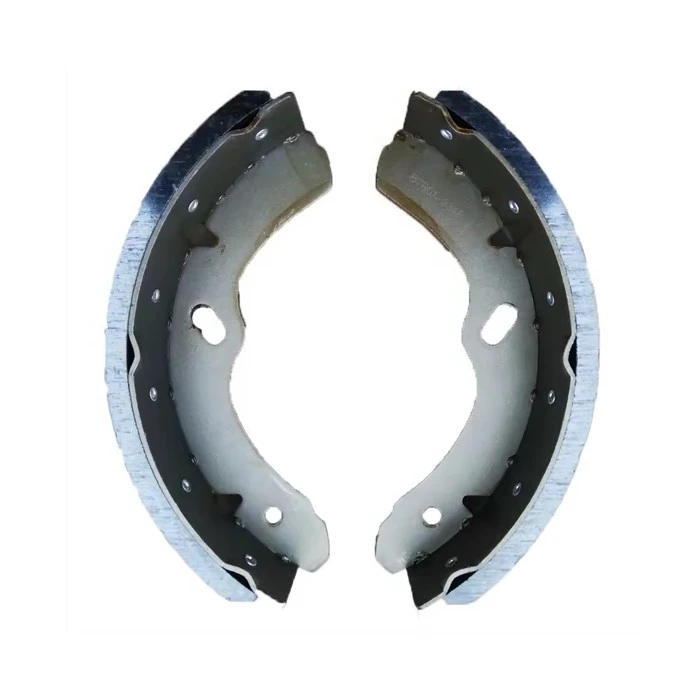
At our company, we take pride in offering high - quality brake shoes, such as Freight Car Brake Shoes, Ceramic Drum Brake Shoes, and Semi Truck Drum Brake Shoes. Our brake shoes are manufactured using advanced technology and high - grade materials, ensuring optimal performance and durability. We source our materials from trusted suppliers and subject our products to rigorous quality control tests to guarantee that they meet or exceed industry standards.

3. Contamination
Contamination of the brake system can also lead to premature wear of the brake shoes. Brake fluid leaks, oil spills, or the presence of dirt and debris can all have a negative impact on the brake shoes. When brake fluid leaks onto the brake shoes, it can cause the friction material to soften and lose its effectiveness. Oil can also contaminate the brake shoes, reducing their ability to grip the brake drums or rotors properly.
Dirt and debris can get trapped between the brake shoes and the brake drums or rotors, acting like an abrasive. This abrasive action can wear down the brake shoe material much faster than normal. Regular inspection of the brake system for leaks and keeping the brakes clean can help prevent contamination - related premature wear.
4. Overloading
Overloading a vehicle is another significant factor that can cause premature wear of brake shoes. When a vehicle is carrying more weight than it is designed to handle, the brakes have to work harder to slow down or stop the vehicle. The increased load puts additional stress on the brake shoes, causing them to wear out more quickly.
For example, if a truck is overloaded with cargo, the brake shoes will experience greater friction and heat during braking. This can lead to accelerated wear and may even cause the brake shoes to overheat, which can further damage the brake system. It's important for vehicle owners to adhere to the recommended weight limits to ensure the proper functioning and longevity of the brake shoes.
5. Improper Installation
Improper installation of brake shoes is a common cause of premature wear. If the brake shoes are not installed correctly, they may not make proper contact with the brake drums or rotors. This can result in uneven wear, where some parts of the brake shoes wear out faster than others.
During installation, it's crucial to ensure that the brake shoes are properly aligned, adjusted, and secured. Any misalignment can cause the brake shoes to rub against the brake drums or rotors at an angle, leading to premature wear. Mechanics should follow the manufacturer's installation instructions carefully to avoid these issues.
6. Environmental Factors
Environmental factors can also contribute to premature wear of brake shoes. Driving in areas with extreme temperatures, such as very hot or very cold climates, can affect the performance and lifespan of the brake shoes. In hot climates, the high temperatures can cause the brake shoes to overheat, which can lead to the degradation of the friction material.
In cold climates, the brake shoes may become brittle, reducing their ability to provide adequate braking force. Additionally, driving in areas with a lot of dust, salt, or moisture can also have a negative impact on the brake shoes. Salt can corrode the brake shoes, while moisture can cause rust and oxidation, both of which can lead to premature wear.
7. Brake System Design and Compatibility
The design of the brake system and the compatibility of the brake shoes with the vehicle can also play a role in premature wear. If the brake system is not designed to handle the specific driving conditions or vehicle requirements, the brake shoes may experience excessive wear.
For example, using brake shoes that are not compatible with the vehicle's make and model can lead to improper braking performance and premature wear. It's important to choose brake shoes that are specifically designed for the vehicle to ensure optimal fit and performance.
Conclusion
Premature wear of automobile brake shoes can be caused by a variety of factors, including driving habits, quality of brake shoes, contamination, overloading, improper installation, environmental factors, and brake system design. As a supplier of high - quality brake shoes, we understand the importance of addressing these issues to ensure the safety and reliability of vehicles.
If you're experiencing premature wear of your brake shoes or are looking for high - quality brake shoes for your vehicles, we invite you to contact us for a procurement discussion. Our team of experts is ready to assist you in finding the right brake shoes for your specific needs.
References
- SAE International. "Automotive Brake System Standards."
- Society of Automotive Engineers. "Brake Friction Materials: Performance and Durability."
- National Highway Traffic Safety Administration. "Vehicle Brake Safety Guidelines."