

Hey there! As a supplier of bus front brake pads, I often get asked about temperature ratings. It's a super important topic, so let's dig into it.
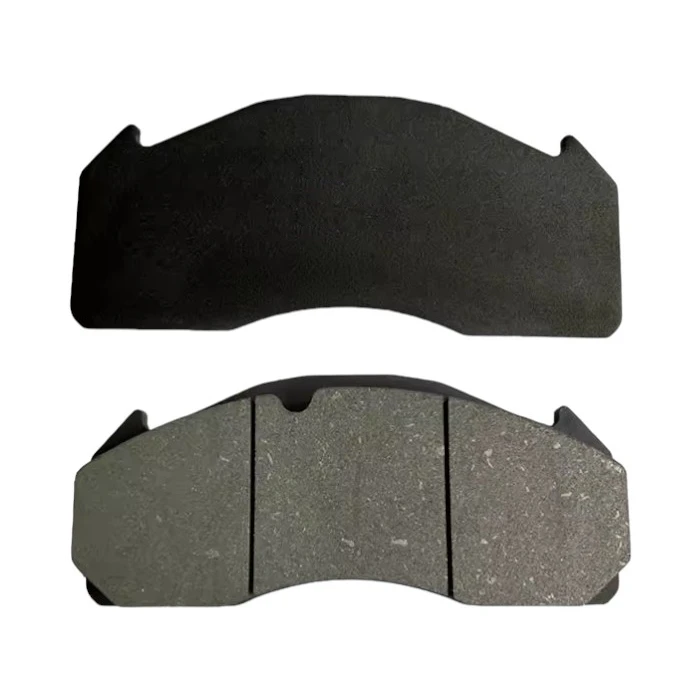

First off, why do temperature ratings matter? Well, brakes generate a ton of heat when they're used. When you press the brake pedal, the brake pads clamp down on the rotors, and that friction stops the bus. But all that friction creates heat, and if the brake pads can't handle the heat, they'll start to wear out quickly, or even worse, they might not work as well when you need them most.
There are different types of temperature ratings for brake pads. The most common ones are the fade temperature and the recovery temperature.
The fade temperature is the point at which the brake pads start to lose their stopping power because of the heat. When the temperature gets too high, the friction material on the brake pads can start to break down. This is called brake fade. You might notice that your brakes feel spongy or that they don't stop the bus as quickly as they usually do. It's a scary situation, especially when you're driving a big bus full of passengers.
The recovery temperature is the temperature at which the brake pads regain their normal stopping power after experiencing fade. Once the brakes cool down to this temperature, they should work as well as they did before the fade.
Now, let's talk about the different factors that can affect the temperature ratings of bus front brake pads.
The type of friction material is a huge factor. There are several types of friction materials used in brake pads, such as semi - metallic, ceramic, and organic.
Semi - metallic brake pads are made up of a mix of metal fibers and other materials. They're known for being durable and having good stopping power. They can handle high temperatures pretty well, usually with a fade temperature in the range of 500 - 700 degrees Fahrenheit (260 - 370 degrees Celsius). The recovery temperature is typically a bit lower, around 400 - 600 degrees Fahrenheit (200 - 315 degrees Celsius). These pads are a popular choice for buses because they can withstand the heavy use and high heat generated during braking. You can check out our 29087 Truck Brake Pad, which uses a high - quality semi - metallic friction material.
Ceramic brake pads are another option. They're made from ceramic fibers and other materials. Ceramic pads are quieter and produce less dust compared to semi - metallic pads. They also have a high fade temperature, often in the range of 700 - 900 degrees Fahrenheit (370 - 480 degrees Celsius). Their recovery temperature is usually around 600 - 800 degrees Fahrenheit (315 - 425 degrees Celsius). Our Heavy Duty Ceramic Brake Pads are designed to handle the high - temperature demands of bus braking systems.
Organic brake pads are made from materials like rubber, glass, and resin. They're the softest of the three types and are usually the quietest. However, they have a lower fade temperature, typically around 300 - 500 degrees Fahrenheit (150 - 260 degrees Celsius). Their recovery temperature is also lower, around 200 - 400 degrees Fahrenheit (95 - 200 degrees Celsius). Organic pads are less commonly used in buses because they can't handle the high heat as well as semi - metallic or ceramic pads.
Another factor that affects temperature ratings is the design of the brake system. The size and shape of the brake pads, the rotors, and the calipers all play a role. A well - designed brake system will be able to dissipate heat more effectively, which means the brake pads won't get as hot. For example, larger rotors have a greater surface area, which allows them to absorb and dissipate heat more quickly.
The driving conditions also have a big impact on the temperature of the brake pads. If you're driving in stop - and - go traffic, your brakes will be used more frequently, and they'll generate more heat. Similarly, if you're driving on hilly terrain, you'll be using your brakes a lot to control your speed going downhill. In these situations, you'll need brake pads with a higher temperature rating.
So, how do you choose the right brake pads for your bus based on temperature ratings? Well, it depends on your specific needs. If you're operating a bus in a city with a lot of traffic, you might want to go for ceramic or semi - metallic brake pads. They can handle the high heat generated by frequent braking. If you're operating a bus on relatively flat roads with less stop - and - go traffic, organic brake pads might be a more cost - effective option, but you need to be aware of their lower temperature ratings.
At our company, we offer a wide range of Commercial Vehicle Brake Pads that are designed to meet different temperature requirements. Whether you need high - performance ceramic pads for heavy - duty use or more budget - friendly semi - metallic pads, we've got you covered.
If you're in the market for new bus front brake pads, it's important to consider the temperature ratings. Don't just go for the cheapest option. Think about the safety of your passengers and the long - term durability of your brakes.
We're here to help you make the right choice. If you have any questions about our brake pads or their temperature ratings, feel free to reach out. We can provide you with more detailed information and help you find the perfect brake pads for your bus. Whether you're a small bus company or a large transportation fleet, we're ready to work with you. Let's start a conversation about your brake pad needs and see how we can assist you in keeping your buses safe on the road.
References
- Brake Pad Technology Handbook
- Automotive Brake System Manual