

As a supplier of freight car brake shoes, I've witnessed firsthand the crucial role that brake shoe springs play in the overall functionality and safety of freight car braking systems. These springs are small yet powerful components that are essential for maintaining the proper operation of brake shoes. However, like any mechanical part, they are prone to several problems that can significantly impact the performance of the braking system. In this blog post, I'll delve into the common issues that can occur with brake shoe springs in freight car brake shoes and discuss their potential consequences.
1. Fatigue and Wear
One of the most prevalent problems with brake shoe springs is fatigue and wear. Brake shoe springs are constantly subjected to repeated stress and strain during the braking process. Every time the brakes are applied, the springs are compressed and then released as the brakes are disengaged. Over time, this continuous cycle of compression and expansion can cause the metal in the springs to fatigue.
Fatigue can lead to the formation of micro - cracks in the spring material. These cracks start small but can gradually grow larger with each subsequent use. As the cracks propagate, the spring's structural integrity is compromised, and it may eventually break. When a brake shoe spring breaks, it can no longer hold the brake shoe in the proper position. This can result in uneven braking, as the brake shoe may not make full contact with the brake drum. Uneven braking can lead to increased wear on the brake shoes and drums, reduced braking efficiency, and even potential safety hazards.
The wear of brake shoe springs can also be accelerated by environmental factors. For example, in harsh operating conditions where the freight cars are exposed to moisture, dust, and chemicals, the springs can corrode. Corrosion weakens the spring material, making it more susceptible to fatigue and breakage. To learn more about different types of brake shoes, you can visit Automobile Brake Shoes.
2. Loss of Tension
Another problem that can occur with brake shoe springs is the loss of tension. Springs are designed to maintain a certain level of tension to ensure that the brake shoes are held firmly against the brake drum when the brakes are applied. However, over time, the springs can lose their tension due to factors such as heat, vibration, and normal wear and tear.
Heat is a major factor that can cause a loss of tension in brake shoe springs. When the brakes are applied, a significant amount of heat is generated due to the friction between the brake shoes and the drum. This heat can cause the metal in the springs to expand and then contract. Repeated cycles of thermal expansion and contraction can gradually reduce the spring's elasticity, resulting in a loss of tension.
Vibration can also contribute to the loss of tension. Freight cars are constantly subjected to vibrations during transit, especially when traveling on rough tracks. These vibrations can cause the coils of the spring to shift and lose their pre - set tension. When a brake shoe spring loses its tension, the brake shoe may not be held tightly enough against the brake drum. This can lead to longer stopping distances, as the braking force is reduced. For more information on heavy - duty brake shoes, check out Heavy Duty Truck Brake Shoes.
3. Misalignment
Misalignment of brake shoe springs is another issue that can cause problems in freight car brake systems. Brake shoe springs need to be installed correctly to ensure that the brake shoes are properly positioned and aligned with the brake drum. If the springs are misaligned during installation or become misaligned over time due to factors such as impact or vibration, it can lead to a variety of problems.
When a brake shoe spring is misaligned, the brake shoe may not make even contact with the brake drum. This can result in uneven wear on the brake shoe and drum. Uneven wear can cause the brake drum to develop hot spots, which can further reduce the braking efficiency and increase the risk of brake fade. Brake fade occurs when the braking performance deteriorates due to excessive heat build - up.
Misaligned springs can also cause the brake shoes to stick or drag. When a brake shoe sticks, it remains in contact with the brake drum even when the brakes are not being applied. This can cause unnecessary friction, leading to increased fuel consumption, premature wear of the brake components, and potential overheating of the braking system. To explore trailer drum brake shoes, visit Trailer Drum Brake Shoes.
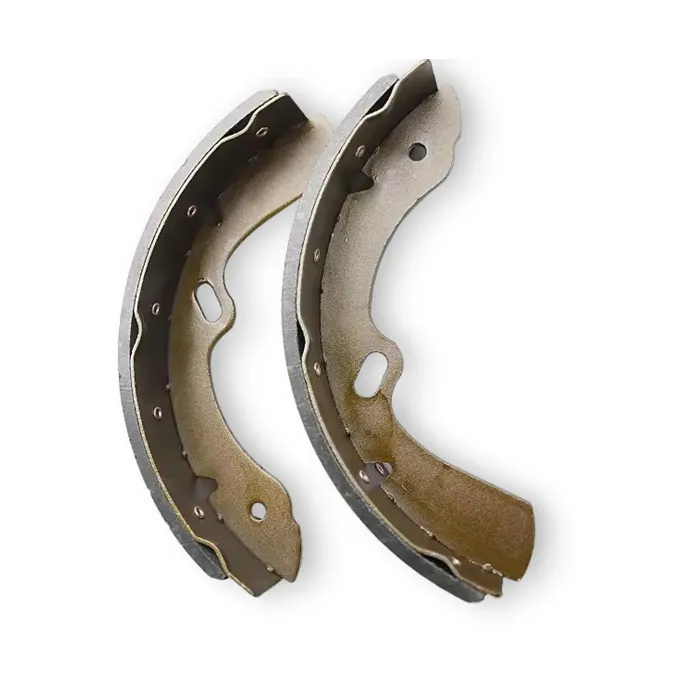

4. Contamination
Contamination of brake shoe springs can also pose a significant problem. The springs can become contaminated with dirt, grease, and other foreign substances. These contaminants can accumulate on the surface of the springs, affecting their performance.
Dirt and dust can get trapped between the coils of the spring, preventing it from compressing and expanding properly. This can lead to a loss of tension and reduced flexibility of the spring. Grease and oil can also contaminate the springs, causing them to become slippery. A slippery spring may not be able to hold the brake shoe in place securely, leading to uneven braking.
In addition, contaminants can accelerate the corrosion process. For example, if the springs are exposed to saltwater or other corrosive substances, the contaminants can act as catalysts, speeding up the rusting of the spring material. Corroded springs are more likely to break, which can have serious consequences for the braking system.
Consequences of Brake Shoe Spring Problems
The problems associated with brake shoe springs can have far - reaching consequences for freight car operation. Reduced braking efficiency is one of the most immediate consequences. When the brake shoe springs are not functioning properly, the brakes may not be able to stop the freight car as quickly as required. This can increase the risk of accidents, especially in emergency situations.
Increased maintenance costs are also a significant consequence. Uneven wear on the brake shoes and drums due to spring problems means that these components need to be replaced more frequently. Additionally, broken or malfunctioning springs need to be replaced, which adds to the overall maintenance expenses.
Moreover, problems with brake shoe springs can lead to operational delays. If a freight car has a brake system issue, it may need to be taken out of service for repairs. This can disrupt the transportation schedule, causing delays in the delivery of goods and potentially resulting in financial losses for the shipping companies.
Preventive Measures
To prevent problems with brake shoe springs, regular inspection and maintenance are essential. Freight car operators should establish a comprehensive inspection schedule to check the condition of the brake shoe springs. During inspections, the springs should be checked for signs of wear, fatigue, corrosion, and misalignment. Any damaged or worn - out springs should be replaced immediately.
Proper installation of the brake shoe springs is also crucial. The springs should be installed according to the manufacturer's specifications to ensure correct alignment and tension. Additionally, the braking system should be kept clean to prevent contamination of the springs. This can be achieved by using appropriate cleaning agents and protecting the braking system from exposure to harsh environmental conditions.
Conclusion
Brake shoe springs are vital components in freight car brake systems, but they are susceptible to several problems such as fatigue and wear, loss of tension, misalignment, and contamination. These problems can have serious consequences for braking efficiency, maintenance costs, and operational safety. As a freight car brake shoe supplier, I understand the importance of providing high - quality brake shoe springs and ensuring that customers are aware of the potential issues and preventive measures.
If you are in the market for reliable freight car brake shoes and related components, we are here to help. We offer a wide range of brake shoes that are designed to meet the highest standards of quality and performance. Contact us for more information and to discuss your specific requirements. We look forward to the opportunity to work with you and provide you with the best solutions for your freight car braking needs.
References
- Brake System Handbook, Industry - standard publication on brake systems.
- Technical Manuals of Freight Car Manufacturers, which contain detailed information on brake components.
- Research Papers on Mechanical Fatigue and Corrosion of Metal Springs.