

Hey there, off - road enthusiasts! As a supplier of off - road brake pads, I've spent a ton of time thinking about these essential components. But recently, I've been diving deep into a crucial topic: the environmental impacts of off - road brake pads. Let's take a closer look at what's going on here.
First off, let's understand how brake pads work. When you hit the brakes in your off - road vehicle, the brake pads clamp down on the brake rotors. This friction is what slows down or stops your ride. But this process isn't just about getting you to a halt; it also has some unintended environmental consequences.
One of the most significant environmental impacts of off - road brake pads is the release of particulate matter. Every time you use your brakes, tiny particles are worn off the brake pads and released into the air. These particles can be made up of all sorts of materials, depending on the type of brake pads you're using.
There are several types of off - road brake pads out there, and each has its own environmental footprint. For example, Ceramic - metal Composite Brake Pads are a popular choice. They're known for their durability and high - performance braking. However, the manufacturing process of these pads can be energy - intensive. The production involves high - temperature processes to combine ceramic and metal components, which requires a significant amount of electricity. This means more greenhouse gas emissions from power plants, especially if the electricity is generated from fossil fuels.
On top of that, when these ceramic - metal composite brake pads wear down, they release fine particulate matter. Some of these particles can be harmful to human health and the environment. They can contribute to air pollution, and if they settle on the ground, they can contaminate soil and water sources.
Another type is Organic Ceramic Brake Pads. These pads are made from organic materials like rubber, glass, and resin, combined with ceramic fibers. They're generally considered more environmentally friendly than some other types because the organic materials are more sustainable. However, they also have their drawbacks. Organic materials can break down more quickly than metal - based ones, which means they might need to be replaced more often. This leads to more waste generation. And during the braking process, the organic materials can release volatile organic compounds (VOCs) into the air. VOCs can react with other pollutants in the atmosphere to form smog, which is a major environmental and health concern.
Then there are Semi Metallic Disc Brake Pads. These pads contain a mixture of metal fibers, such as steel and copper, along with other materials. The metal content gives them excellent heat dissipation properties, which is great for high - performance off - road driving. But the mining and processing of these metals have a significant environmental impact. Mining operations can cause deforestation, soil erosion, and water pollution. And when semi - metallic brake pads wear out, they release metal particles into the environment. These particles can be toxic to aquatic life if they end up in water bodies.
In addition to the particulate matter and manufacturing impacts, the disposal of used brake pads is also a big issue. Brake pads can't just be thrown away like regular trash. They often contain hazardous materials, and improper disposal can lead to soil and water contamination. Recycling brake pads is an option, but it's not always easy or cost - effective. Many recycling facilities don't have the technology or capacity to handle brake pads properly.
So, what can we do about these environmental impacts? As a supplier, I'm constantly looking for ways to make our off - road brake pads more sustainable. We're researching new materials and manufacturing processes that can reduce energy consumption and waste generation. For example, we're exploring the use of recycled materials in our brake pads. By using recycled metals and organic fibers, we can reduce the demand for virgin materials and lower the environmental impact of our products.

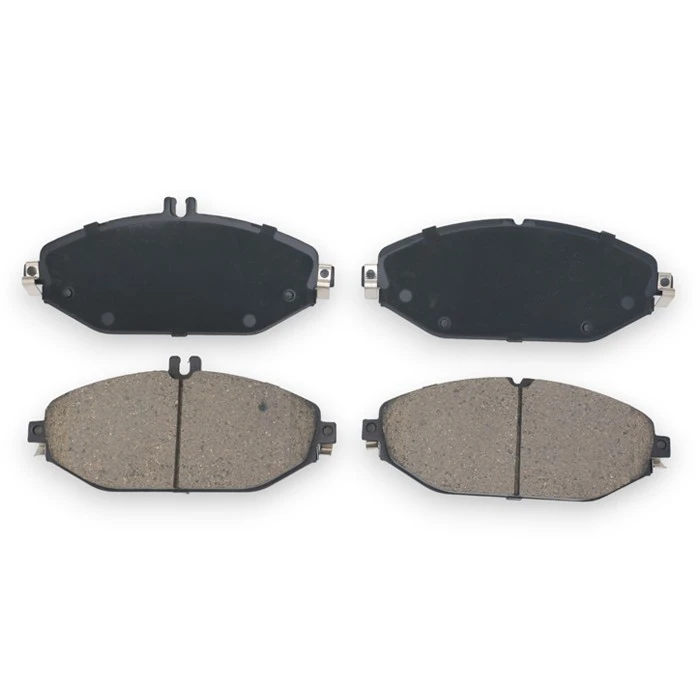
We're also working on improving the design of our brake pads to make them last longer. Longer - lasting brake pads mean fewer replacements and less waste. And we're educating our customers about the importance of proper brake pad disposal and recycling.
If you're an off - road vehicle owner, there are things you can do too. You can choose brake pads that have a lower environmental impact. Look for pads that are made from sustainable materials and have a good balance between performance and environmental friendliness. You can also drive in a way that reduces the need for frequent braking. Smooth driving and anticipating stops can help extend the life of your brake pads and reduce the amount of particulate matter released into the air.
In conclusion, the environmental impacts of off - road brake pads are complex and multi - faceted. But by working together, as suppliers and consumers, we can make a difference. We can choose more sustainable products, improve manufacturing processes, and ensure proper disposal.
If you're interested in learning more about our off - road brake pads or want to discuss potential purchases, feel free to reach out. We're always happy to talk about how we can meet your needs while also being kind to the environment.
References
- "Environmental Impact of Automotive Brake Systems" - Journal of Environmental Science and Technology
- "Sustainable Materials for Brake Pads: A Review" - International Journal of Sustainable Manufacturing