

As a supplier of bus front brake pads, I've witnessed firsthand the significant advantages that low - metallic brake pads bring to the table. In this blog, I'll delve into the numerous benefits of using low - metallic bus front brake pads, which will not only help you understand why they are a great choice but also give you a clear picture of how they can enhance the performance and safety of your buses.
Enhanced Braking Performance
One of the primary benefits of low - metallic bus front brake pads is their exceptional braking performance. Low - metallic brake pads are engineered with a unique blend of materials that include metal fibers such as copper, steel, and brass. These metal fibers provide excellent heat dissipation and conductivity. When the brakes are applied, a large amount of heat is generated due to the friction between the brake pads and the rotors. Low - metallic brake pads can quickly transfer this heat away from the braking surface, preventing brake fade.
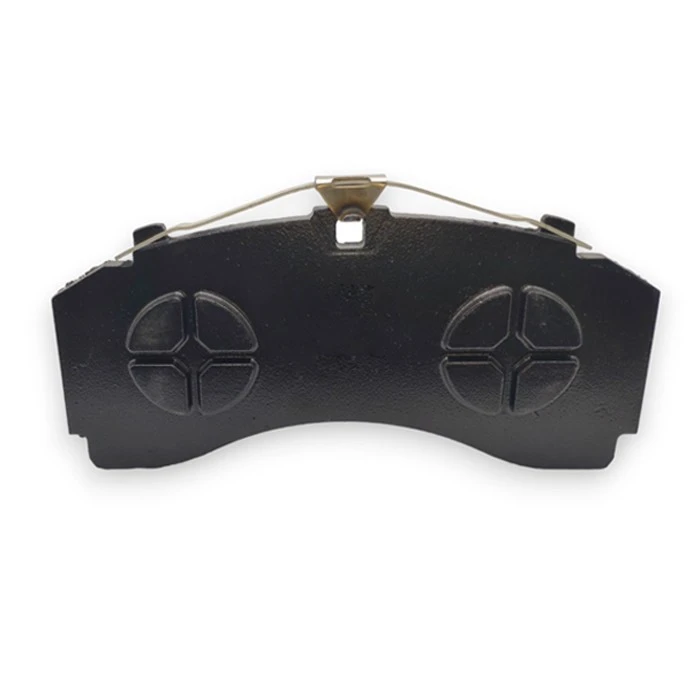

Brake fade is a common problem, especially in heavy - duty vehicles like buses that are constantly stopping and starting. When the brakes fade, the braking force decreases significantly, which can be extremely dangerous. Low - metallic brake pads maintain their braking efficiency even under high - stress conditions, ensuring that the bus can stop safely and promptly. Whether it's a sudden stop in traffic or a long - descent on a mountain road, these brake pads will perform consistently, giving drivers the confidence they need to operate the bus safely.
Longevity and Durability
Another significant advantage of low - metallic bus front brake pads is their longevity. The metal fibers in these brake pads make them more resistant to wear and tear compared to other types of brake pads. Buses are used for long - distance travel and carry a large number of passengers, which means the brakes are subjected to a lot of stress. Low - metallic brake pads can withstand this stress better, resulting in a longer service life.
This longevity translates into cost savings for bus operators. Instead of having to replace the brake pads frequently, they can rely on low - metallic brake pads to last for a longer period. This reduces the maintenance costs associated with the bus and minimizes the downtime for brake pad replacement. Additionally, the durability of low - metallic brake pads also means that they are less likely to break or crack during normal use, further enhancing their reliability.
Reduced Noise and Vibration
Noise and vibration are common complaints when it comes to brake systems. Low - metallic bus front brake pads are designed to reduce both noise and vibration during braking. The metal fibers in these brake pads act as a dampener, absorbing the vibrations that are generated when the brake pads come into contact with the rotors. This results in a smoother and quieter braking experience for both the driver and the passengers.
A quiet braking system is not only more comfortable for everyone on the bus but also indicates a well - functioning brake system. Excessive noise can be a sign of problems such as uneven wear or misalignment, which can lead to premature brake failure. By using low - metallic brake pads, bus operators can ensure that the brake system is operating smoothly and silently, reducing the risk of potential issues.
Compatibility with Different Rotors
Low - metallic bus front brake pads are highly compatible with a wide range of rotors. Whether the bus is equipped with standard rotors or high - performance rotors, low - metallic brake pads can work effectively. This compatibility is due to the unique friction characteristics of these brake pads. They can create a consistent and stable friction coefficient with different types of rotors, ensuring optimal braking performance.
This is particularly important for bus operators who may have a fleet of buses with different rotor specifications. Instead of having to source different types of brake pads for each type of rotor, they can use low - metallic brake pads across the board. This simplifies the inventory management process and reduces the complexity of the maintenance operations.
Environmental Friendliness
In today's world, environmental friendliness is a crucial consideration. Low - metallic bus front brake pads are more environmentally friendly compared to some other types of brake pads. They produce less dust during braking. Brake dust contains harmful particles that can be released into the environment and pose a health risk to both humans and animals. By using low - metallic brake pads, bus operators can reduce the amount of brake dust that is generated, contributing to a cleaner and healthier environment.
Moreover, many low - metallic brake pads are manufactured using sustainable materials and processes. This means that they have a lower carbon footprint compared to traditional brake pads. As more and more bus operators are looking for ways to reduce their environmental impact, low - metallic brake pads offer a practical solution.
Cost - Effectiveness in the Long Run
While the initial cost of low - metallic bus front brake pads may be slightly higher than some other types of brake pads, they are cost - effective in the long run. As mentioned earlier, their longevity and durability mean that they need to be replaced less frequently. This reduces the overall cost of brake pad replacement over the life of the bus.
In addition, the reduced maintenance requirements and the lower risk of brake - related problems also contribute to cost savings. Bus operators can avoid costly repairs and downtime, which can have a significant impact on their bottom line. When considering the total cost of ownership, low - metallic brake pads are a smart investment for any bus fleet.
Conclusion
In conclusion, the benefits of using low - metallic bus front brake pads are numerous. From enhanced braking performance and longevity to reduced noise and environmental friendliness, these brake pads offer a comprehensive solution for bus operators. Whether you are a small - scale bus operator or manage a large fleet of buses, low - metallic brake pads can improve the safety, performance, and cost - effectiveness of your vehicles.
If you are interested in our Transit Van Brake Pads, Commercial Vehicle Brake Pads, or Rear Truck Brake Pads, we encourage you to reach out to us for procurement and further discussions. We are committed to providing high - quality brake pads that meet the specific needs of your bus fleet.
References
- "Brake Pad Technology and Performance." Automotive Engineering Handbook.
- "The Impact of Brake Pad Materials on Braking Performance and Environmental Factors." Journal of Transportation Research.
- "Cost - Benefit Analysis of Different Brake Pad Types for Commercial Vehicles." Transportation Economics Review.