

In the automotive industry, the wear of brake shoes is a critical concern for both vehicle owners and manufacturers alike. As a leading automobile brake shoes supplier, I've witnessed firsthand the impact of various factors on brake shoe wear. One such factor that significantly influences brake shoe wear is the weight of the vehicle. In this blog, I'll delve into how vehicle weight affects automobile brake shoe wear and why it's essential to understand this relationship.
The Basics of Brake Shoe Function
Before we explore the impact of vehicle weight, let's briefly review how brake shoes work. When you press the brake pedal in your vehicle, hydraulic pressure is applied to the brake shoes. This pressure forces the brake shoes against the brake drum, creating friction. The friction between the brake shoes and the drum slows down the rotation of the wheels, ultimately bringing the vehicle to a stop.
The efficiency of this process depends on several factors, including the quality of the brake shoes, the condition of the brake drums, and the amount of force applied. However, the weight of the vehicle plays a crucial role in determining how much stress is placed on the brake shoes during braking.
How Vehicle Weight Affects Brake Shoe Wear
The weight of a vehicle directly affects the amount of kinetic energy that needs to be dissipated when the vehicle is brought to a stop. Kinetic energy is proportional to the mass of the object and the square of its velocity. In simpler terms, a heavier vehicle moving at the same speed as a lighter vehicle has more kinetic energy.
When you apply the brakes in a heavy vehicle, the brake shoes have to work harder to convert this greater kinetic energy into heat energy through friction. This increased workload leads to more significant wear and tear on the brake shoes. In contrast, a lighter vehicle has less kinetic energy, so the brake shoes don't have to work as hard to stop the vehicle, resulting in less wear.
Another way vehicle weight affects brake shoe wear is through the distribution of the vehicle's weight. Vehicles with uneven weight distribution can put more stress on certain brake shoes. For example, if a vehicle is loaded more heavily on one side or at the rear, the brake shoes on that side or at the rear will experience more friction and wear compared to the others.
Types of Vehicles and Brake Shoe Wear
Different types of vehicles have different weights, which means they also experience varying levels of brake shoe wear. Let's take a look at some common types of vehicles and how their weight impacts brake shoe wear.
Passenger Cars
Passenger cars generally have a relatively lower weight compared to other types of vehicles. This means that the brake shoes in passenger cars don't have to work as hard to stop the vehicle, resulting in less wear. However, factors such as driving style, traffic conditions, and the frequency of braking can still affect brake shoe wear. For example, stop-and-go traffic in a city can cause more frequent braking, which can increase wear on the brake shoes.
SUVs and Trucks
SUVs and trucks are typically heavier than passenger cars. The increased weight requires the brake shoes to generate more friction to stop the vehicle, leading to faster wear. Additionally, these vehicles are often used for towing or carrying heavy loads, which further increases the stress on the brake shoes. Regular maintenance and replacement of brake shoes are crucial for SUVs and trucks to ensure safe and efficient braking.
Freight Car Brake Shoes
Freight cars are among the heaviest vehicles on the road, carrying large amounts of cargo over long distances. The brake shoes in freight cars are subjected to extreme stress and wear. These vehicles require specialized brake shoes that can withstand the high forces and temperatures generated during braking. Investing in high-quality Freight Car Brake Shoes is essential to prevent brake failure and ensure the safety of the cargo and the vehicle.
The Importance of Choosing the Right Brake Shoes
As a brake shoe supplier, I understand the importance of choosing the right brake shoes for your vehicle. The weight of your vehicle is a crucial factor to consider when selecting brake shoes. Using brake shoes that are not designed to handle the weight of your vehicle can lead to premature wear, reduced braking performance, and even safety hazards.
When choosing brake shoes, look for products that are specifically designed for your vehicle's weight and type. High-quality brake shoes are made from durable materials that can withstand the heat and friction generated during braking. They also provide consistent braking performance, which is essential for safe driving.
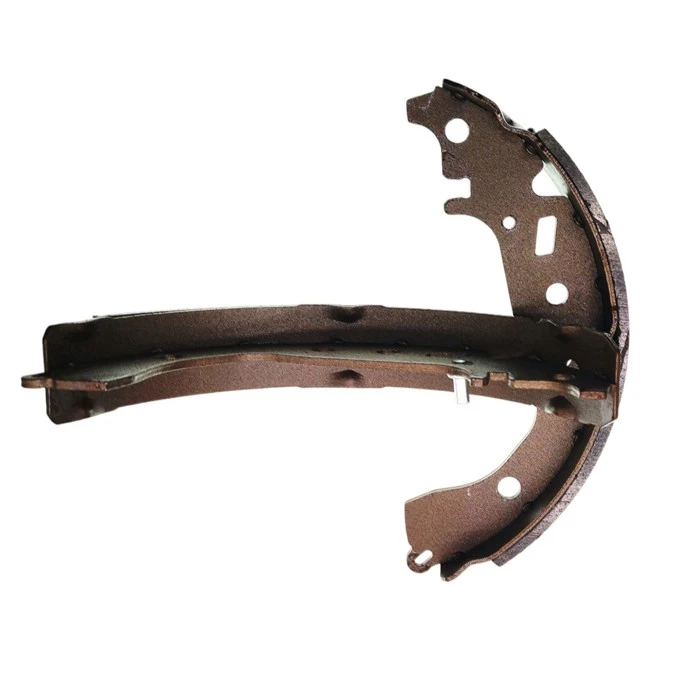
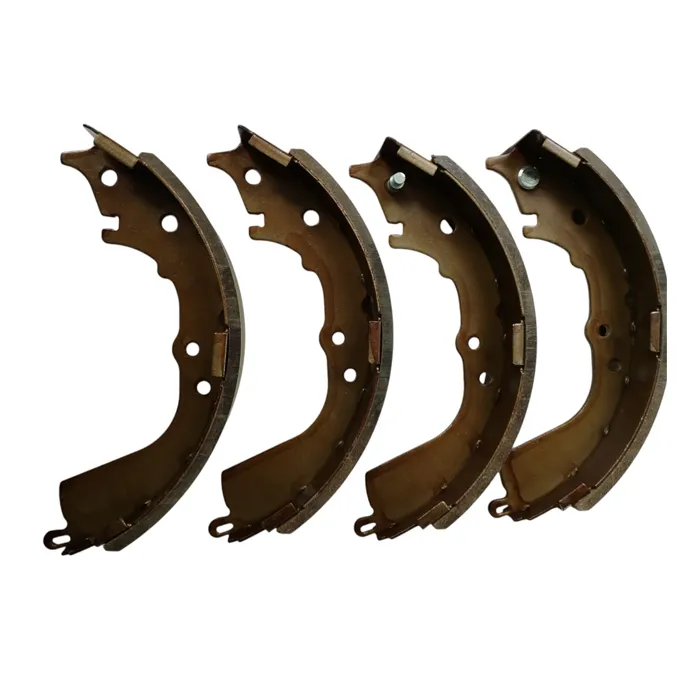
For rear parking brakes, it's important to choose Rear Parking Brake Shoes that are designed to hold the vehicle securely in place. These brake shoes need to be able to withstand the weight of the vehicle without slipping or wearing out quickly.
Tips to Reduce Brake Shoe Wear
While vehicle weight is a significant factor in brake shoe wear, there are several steps you can take to reduce wear and extend the life of your brake shoes.
- Drive Smoothly: Aggressive driving, such as sudden acceleration and hard braking, can put extra stress on the brake shoes. By driving smoothly and anticipating stops, you can reduce the frequency and intensity of braking, which can help extend the life of your brake shoes.
- Maintain Proper Tire Pressure: Underinflated tires can increase rolling resistance, which means the engine has to work harder to move the vehicle. This can also put extra stress on the brake shoes when you need to stop. Keeping your tires properly inflated can help reduce brake shoe wear.
- Avoid Overloading: Overloading your vehicle can increase its weight and put extra stress on the brake shoes. Make sure you don't exceed the maximum weight capacity of your vehicle to prevent premature brake shoe wear.
- Regular Maintenance: Regularly inspecting and maintaining your braking system is essential for optimal performance and longevity. This includes checking the brake fluid level, the condition of the brake shoes and drums, and replacing worn parts as needed.
Why Choose Our Automobile Brake Shoes
As a leading automobile brake shoes supplier, we understand the importance of providing high-quality products that meet the needs of our customers. Our Automobile Brake Shoes are designed to provide reliable and efficient braking performance, even under the most demanding conditions.
We use only the highest quality materials in our brake shoes, ensuring durability and long-lasting wear. Our products are rigorously tested to meet or exceed industry standards, giving you peace of mind knowing that you're getting a product that you can trust.
Whether you're a vehicle owner looking for reliable brake shoes or a distributor in need of high-quality products, we're here to help. Our team of experts can provide you with the information and support you need to choose the right brake shoes for your application.
Contact Us for Your Brake Shoe Needs
If you're interested in learning more about our Automobile Brake Shoes or have any questions about brake shoe wear and maintenance, we'd love to hear from you. Contact us today to start a conversation about your brake shoe needs and how we can help you find the perfect solution for your vehicle.
References
- Bosch, Automotive Handbook, 8th Edition
- SAE International, Standards and Recommended Practices for Automotive Braking Systems
- Chilton's Auto Repair Manuals