

Hey there! As a brake pads supplier, I often get asked about how low - dust brake pads work. It's a topic that's not only fascinating but also super important for anyone who drives a vehicle. So, let's dive right in and break it down.
The Basics of Brake Pads
Before we talk about low - dust brake pads, let's quickly go over how regular brake pads work. When you press the brake pedal in your car, a hydraulic system sends pressure to the brake calipers. These calipers then squeeze the brake pads against the brake rotors. The friction between the brake pads and the rotors slows down the rotation of the wheels, ultimately bringing your vehicle to a stop.
But here's the catch. During this process, the brake pads wear down. Tiny particles of the brake pad material are rubbed off and released into the air. This is what we call brake dust. It can accumulate on your wheels, making them look dirty and can even cause corrosion over time.
What Are Low - Dust Brake Pads?
Low - dust brake pads are designed to minimize the amount of dust generated during the braking process. They do this through a combination of advanced materials and engineering.
Material Composition
One of the key factors in reducing dust is the material used in the brake pads. Traditional brake pads are often made from semi - metallic materials. These materials are great for providing high levels of friction, but they also tend to produce a lot of dust.
Low - dust brake pads, on the other hand, use different materials. For example, ceramic brake pads are a popular choice for low - dust applications. Ceramics have several advantages. They are very hard, which means they wear down less quickly. This results in fewer particles being released into the air. They also produce a lighter - colored dust that is less noticeable on your wheels compared to the dark, gritty dust from semi - metallic pads.
Another option is carbon ceramic brake pads. These are even more high - tech and offer excellent performance. You can learn more about them here: Carbon Ceramic Brake Pads. They are made from a combination of carbon fibers and ceramic materials. Carbon ceramic brake pads are extremely durable and generate very little dust. They are often used in high - performance vehicles, but they are also becoming more popular in regular cars as well.
Design and Manufacturing
The design and manufacturing process of low - dust brake pads also play a crucial role. Manufacturers use advanced techniques to ensure that the brake pads have a consistent surface and a proper friction coefficient. This helps to reduce uneven wear, which can lead to increased dust production.
For example, some low - dust brake pads have a special coating on the surface. This coating helps to reduce noise and vibration while also minimizing dust. It acts as a buffer between the brake pad and the rotor, preventing excessive wear and tear.
How Low - Dust Brake Pads Work in Practice
Let's take a look at what happens when you use low - dust brake pads in your vehicle.
Braking Performance
First of all, low - dust brake pads offer excellent braking performance. Despite the focus on reducing dust, they still provide the necessary friction to stop your vehicle safely. In fact, many low - dust brake pads, especially ceramic ones, offer a smooth and consistent braking experience. They don't grab suddenly like some traditional pads, which can be a bit jarring.
When you press the brake pedal, the low - dust brake pads gradually increase the friction against the rotors. This allows for a more controlled stop, whether you're making a gentle slow - down or an emergency stop.
Dust Reduction
The main benefit, of course, is the reduced dust. With low - dust brake pads, you'll notice that your wheels stay cleaner for longer. You won't have to spend as much time cleaning the brake dust off your rims. This is not only a cosmetic advantage but also helps to protect your wheels from corrosion.
The dust that is produced by low - dust brake pads is also less likely to stick to the wheels. This is because the particles are often smaller and less abrasive compared to the dust from traditional pads. So, even if some dust does accumulate, it's easier to clean off.
Types of Low - Dust Brake Pads
There are a few different types of low - dust brake pads available on the market. Let's take a closer look at some of them.
Ceramic Brake Pads
As mentioned earlier, ceramic brake pads are a popular choice for low - dust applications. They are made from a combination of ceramic fibers, fillers, and a bonding agent. Ceramic brake pads offer several benefits:
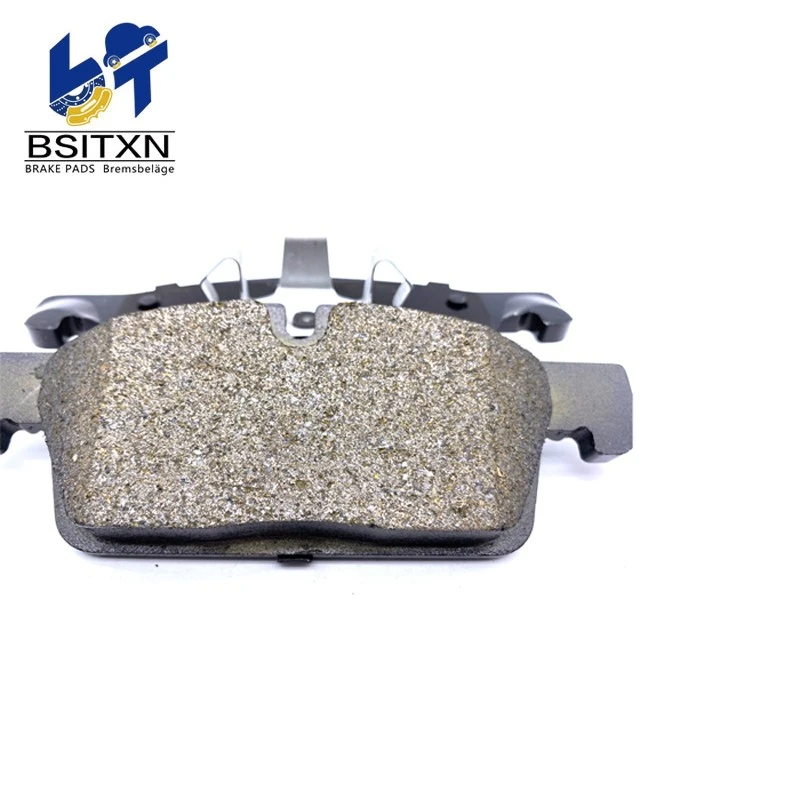
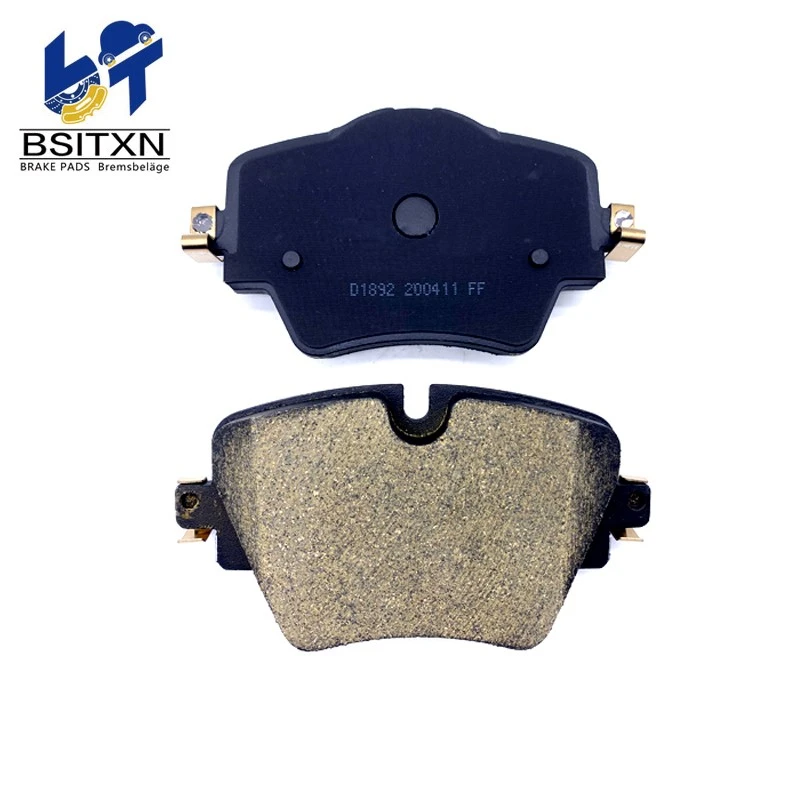
- Low Dust: They produce significantly less dust compared to semi - metallic pads.
- Quiet Operation: They are very quiet when braking, which is a big plus for many drivers.
- Long Lifespan: They tend to last longer than other types of brake pads, which means you won't have to replace them as often.
You can check out our Yellow Brake Pads, which are a type of ceramic brake pads known for their excellent performance and low - dust properties.
Dustless Brake Pads
Some manufacturers claim to offer dustless brake pads. While it's impossible to completely eliminate dust, these pads come pretty close. Dustless brake pads use advanced materials and designs to minimize dust production to an almost negligible level.
These pads are a great option if you're really concerned about keeping your wheels clean. You can learn more about them here: Dustless Brake Pads.
Why Choose Low - Dust Brake Pads?
There are several reasons why you might want to choose low - dust brake pads for your vehicle.
Aesthetics
Let's face it, nobody likes dirty wheels. Low - dust brake pads help to keep your wheels looking clean and shiny. This can enhance the overall appearance of your vehicle, whether it's a daily driver or a show car.
Maintenance
With less dust, you'll spend less time cleaning your wheels and less money on wheel cleaners. You'll also reduce the risk of corrosion on your wheels, which can save you money in the long run.
Performance
As mentioned earlier, low - dust brake pads offer excellent braking performance. They provide a smooth and consistent stop, which is important for your safety on the road.
Contact Us for Your Brake Pad Needs
If you're interested in learning more about our low - dust brake pads or if you're ready to place an order, we'd love to hear from you. We offer a wide range of brake pads to suit different vehicles and driving needs. Whether you're looking for ceramic brake pads, carbon ceramic brake pads, or dustless brake pads, we've got you covered.
Don't hesitate to reach out to us for a quote or to discuss your specific requirements. We're here to help you find the perfect brake pads for your vehicle.
References
- "Brake Pads: A Comprehensive Guide", Auto Parts Magazine, 2023
- "The Science of Braking", Automotive Engineering Journal, 2022
- "Low - Dust Brake Pads: How They Work and Why You Need Them", Car Enthusiast Blog, 2024