

Hey there, fellow car enthusiasts and truck owners! As a brake shoes supplier, I've seen my fair share of brake warning lights going off. It can be a real headache, but don't worry – I'm here to walk you through how to troubleshoot a brake warning light related to brake shoes.
First off, let's talk about why that pesky brake warning light might come on in the first place. There are a few common reasons, and most of them are related to the condition of your brake shoes.
One of the most obvious reasons is wear and tear. Brake shoes are designed to wear down over time as they create friction to stop your vehicle. When they get too thin, the brake warning light can come on. This is your car's way of telling you that it's time to replace the brake shoes. You can check the thickness of your brake shoes by removing the wheels and taking a look. If they're less than 1/8 of an inch thick, it's definitely time for a change.

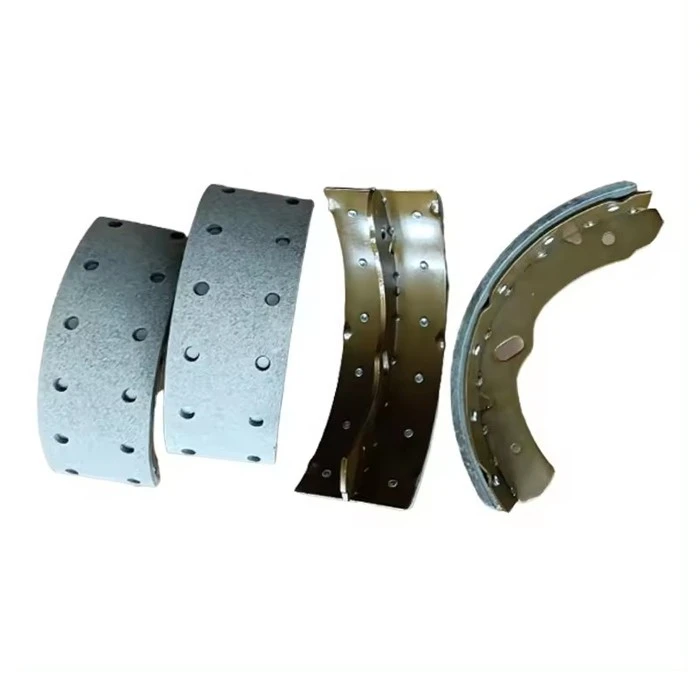
Another reason could be a problem with the brake shoe adjustment. Over time, the brake shoes can become misaligned or out of adjustment. This can cause uneven wear on the shoes and trigger the warning light. To check the adjustment, you'll need to access the brake drum. It's a bit of a hassle, but it's worth it to make sure your brakes are working properly. You might need to use a brake adjustment tool to get the shoes back into the right position.
A third possibility is a problem with the brake shoe springs. These springs are responsible for holding the brake shoes in place and ensuring they return to their original position after you release the brakes. If a spring is broken or damaged, it can cause the brake shoes to malfunction and set off the warning light. Inspect the springs carefully for any signs of wear or breakage. If you find a problem, you'll need to replace the damaged spring.
Now, let's get into the step-by-step process of troubleshooting the brake warning light.
Step 1: Check the dashboard for other warning lights. Sometimes, the brake warning light can be triggered by other issues, such as low brake fluid or a problem with the anti-lock braking system (ABS). If you see other lights on the dashboard, it's a good idea to have your vehicle checked by a professional mechanic.
Step 2: Look under the vehicle for any signs of brake fluid leakage. Brake fluid is essential for the proper operation of your brakes. If you see a puddle of fluid under your car or notice a decrease in the brake fluid level in the reservoir, it could be a sign of a leak. A leak can cause the brake shoes to not work effectively and trigger the warning light. If you find a leak, you'll need to repair it as soon as possible.
Step 3: Inspect the brake shoes. As I mentioned earlier, wear and tear on the brake shoes is a common cause of the warning light. Remove the wheels and check the thickness of the brake shoes. If they're worn down, it's time to replace them. You can find high-quality brake shoes at many auto parts stores or from a trusted supplier like us. We offer a wide range of Automobile Brake Shoes for different types of vehicles.
Step 4: Check the brake drum for damage. The brake drum is the part of the braking system that the brake shoes press against to stop the vehicle. If the drum is cracked, scored, or out of round, it can cause problems with the brake shoes and trigger the warning light. Use a brake drum micrometer to measure the diameter of the drum. If it's out of spec, you'll need to have the drum resurfaced or replaced.
Step 5: Examine the brake shoe hardware. This includes the springs, clips, and pins that hold the brake shoes in place. Make sure everything is in good condition and properly installed. If you find any loose or damaged hardware, replace it. We offer a variety of brake shoe hardware to ensure your brakes are working at their best.
Step 6: Test the brakes. After you've completed all the inspections and repairs, it's time to test the brakes. Start your vehicle and apply the brakes gently at low speeds. Make sure the brakes feel firm and responsive. If you notice any strange noises, vibrations, or a soft pedal, there might still be a problem. Take your vehicle back to the drawing board and double-check your work.
If you've gone through all these steps and the brake warning light is still on, it's time to seek professional help. A qualified mechanic will have the tools and expertise to diagnose and fix the problem.
As a brake shoes supplier, I want to emphasize the importance of using high-quality brake shoes. At our company, we offer a wide range of brake shoes for different types of vehicles, including Automobile Brake Shoes, Semi Truck Drum Brake Shoes, and Rear Parking Brake Shoes. Our brake shoes are made from top-notch materials and are designed to provide reliable performance and long-lasting durability.
If you're in the market for new brake shoes or need more information about troubleshooting brake warning lights, don't hesitate to reach out to us. We're here to help you keep your vehicle safe on the road. Whether you're a professional mechanic or a DIY enthusiast, we have the products and knowledge you need to get the job done right.
In conclusion, troubleshooting a brake warning light related to brake shoes can be a bit of a challenge, but it's definitely doable. By following the steps outlined in this blog post and using high-quality brake shoes, you can keep your brakes in top condition and avoid costly repairs down the road. If you have any questions or need further assistance, feel free to contact us. We're always happy to help!
References:
- "Automotive Brake Systems" by James D. Halderman
- "Brake Handbook" by Brake & Front End Magazine