

Hey there! As a supplier of handbrake brake shoes, I often get asked about how to test the functionality of these new brake shoes. It's a crucial step, whether you're a mechanic, a vehicle owner, or just someone interested in automotive parts. In this blog, I'll walk you through the process step by step.
1. Pre - test Inspection
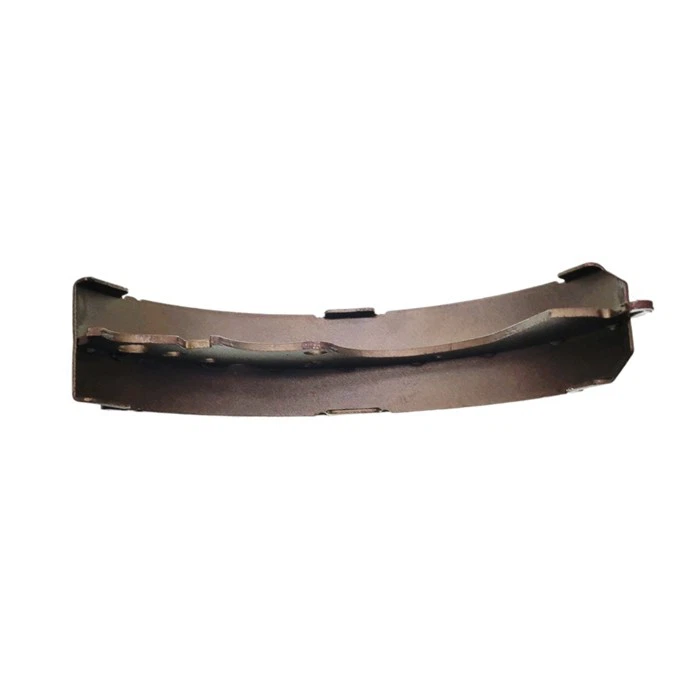
Before you start any functional tests, it's important to do a visual inspection. First off, check the physical condition of the handbrake brake shoes. Look for any visible cracks, chips, or uneven wear. Cracks can be a sign of poor manufacturing or stress during use. Chips might cause the brake shoes to not grip properly. Uneven wear might indicate an issue with the installation or the braking system itself.
Also, examine the lining material. The lining is what actually makes contact with the drum or disc to create friction and stop the vehicle. It should be thick enough and have a consistent texture. If the lining is too thin, it won't provide enough stopping power. You can use a simple ruler or a brake lining thickness gauge to measure it.
2. Installation Check
Proper installation is key to the functionality of the handbrake brake shoes. Make sure that the brake shoes are correctly positioned in the brake assembly. They should fit snugly and be aligned with the drum or disc. Incorrect installation can lead to uneven braking, noise, and premature wear.
Check the pins, springs, and clips that hold the brake shoes in place. These components should be in good condition and properly attached. A loose or missing pin can cause the brake shoes to move around, which will affect their performance.
3. Bench Testing
Bench testing is a great way to get an initial idea of how the brake shoes will perform. You can use a simple bench testing rig to simulate the braking action. This rig consists of a motor, a rotating drum or disc, and a mechanism to apply pressure to the brake shoes.
Place the brake shoes on the rig and start the motor to rotate the drum or disc. Then, gradually apply pressure to the brake shoes using the pressure - applying mechanism. You should observe whether the brake shoes can effectively slow down or stop the rotation. Listen for any strange noises, like squealing or grinding, which could indicate a problem.

4. On - vehicle Testing
Once you're satisfied with the bench test, it's time to move on to on - vehicle testing. This is the most accurate way to test the functionality of the handbrake brake shoes.
a. Initial Checks
Before you start driving, make sure the handbrake is fully engaged. Then, check if the vehicle is securely held in place. If the vehicle moves or rolls, there's likely an issue with the brake shoes or the handbrake system.
b. Test Drive
Take the vehicle for a short test drive on a safe, empty road. During the drive, you can test the handbrake at low speeds. First, ensure the vehicle is in gear (even if it's an automatic). Then, slowly pull the handbrake lever while driving at a very low speed (say, 5 - 10 mph). The vehicle should start to slow down gradually. If the vehicle doesn't slow down or if there's a sudden, jerky stop, it could mean the brake shoes are not working properly.
c. Parking Test
Find a suitable parking spot, preferably on a slight incline. Park the vehicle and engage the handbrake. Make sure the vehicle doesn't roll. If it does, you need to re - evaluate the functionality of the brake shoes.
5. Monitoring Brake Performance Over Time
The functionality of brake shoes can change over time due to wear and tear. After the initial tests, it's important to monitor the performance of the handbrake brake shoes regularly. Check the braking distance during normal driving and note any changes. If the braking distance increases, it might be a sign that the brake shoes are wearing out.
Also, listen for any unusual noises when applying the handbrake. Squeaking, grinding, or rattling sounds can indicate problems with the brake shoes, such as worn - out lining or loose components.
6. Comparing with Industry Standards
It's always a good idea to compare the performance of your handbrake brake shoes with industry standards. Industry standards define the minimum requirements for braking performance, such as stopping distance, friction coefficient, and wear resistance. If your brake shoes don't meet these standards, they might not be safe or effective for use.
You can find these industry standards through various automotive associations and regulatory bodies. By comparing your products with these standards, you can ensure that you're providing high - quality brake shoes to your customers.
Conclusion
Testing the functionality of new handbrake brake shoes is a multi - step process that requires careful attention to detail. From pre - test inspections to on - vehicle testing and long - term monitoring, every step is important to ensure the safety and performance of the brake shoes.
If you're in the market for high - quality handbrake brake shoes, we've got you covered. We offer a wide range of brake shoes, including Freight Car Brake Shoes, Heavy Duty Truck Brake Shoes, and Rear Drum Brake Shoe. Our products are rigorously tested to meet the highest industry standards.
If you're interested in purchasing our handbrake brake shoes or have any questions about our products, feel free to reach out. We're always happy to discuss your needs and help you find the right brake shoes for your vehicles.
References
- Automotive Brake Systems Manual
- Industry Standards for Brake Performance