

Can I Replace Bus Brake Pads Myself?
As a supplier of bus brake pads, I often get asked by bus owners and enthusiasts whether they can replace bus brake pads themselves. It's a valid question, especially considering the cost savings and the sense of accomplishment that comes with doing your own vehicle maintenance. In this blog post, I'll delve into the intricacies of replacing bus brake pads, weighing the pros and cons of a DIY approach and providing you with essential information to make an informed decision.
Understanding the Basics of Bus Brake Pads
Before we discuss the DIY aspect, let's first understand what bus brake pads are and how they function. Brake pads are a crucial component of a vehicle's braking system. They are designed to create friction against the brake discs or drums, which in turn slows down or stops the bus. Over time, due to constant use, brake pads wear down and need to be replaced to ensure optimal braking performance and safety.
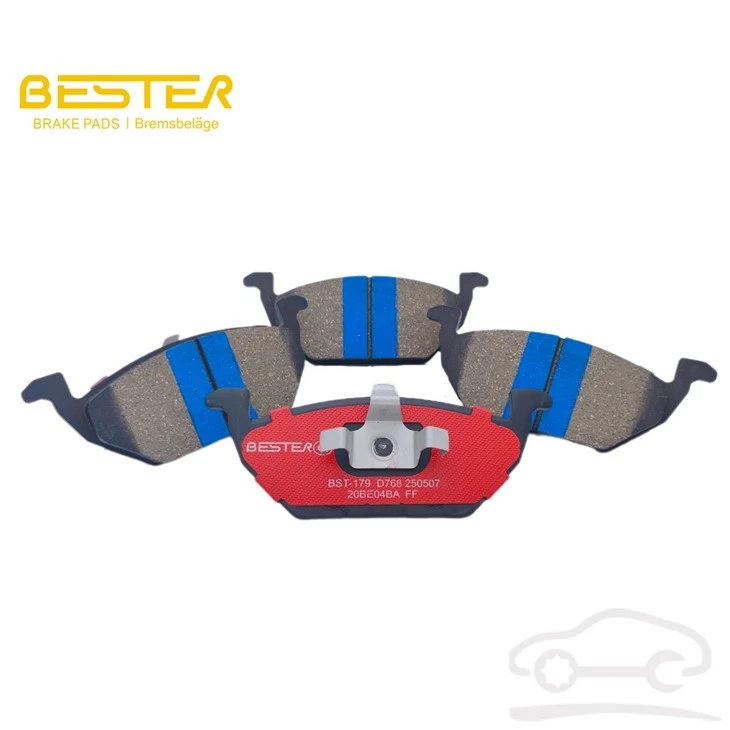
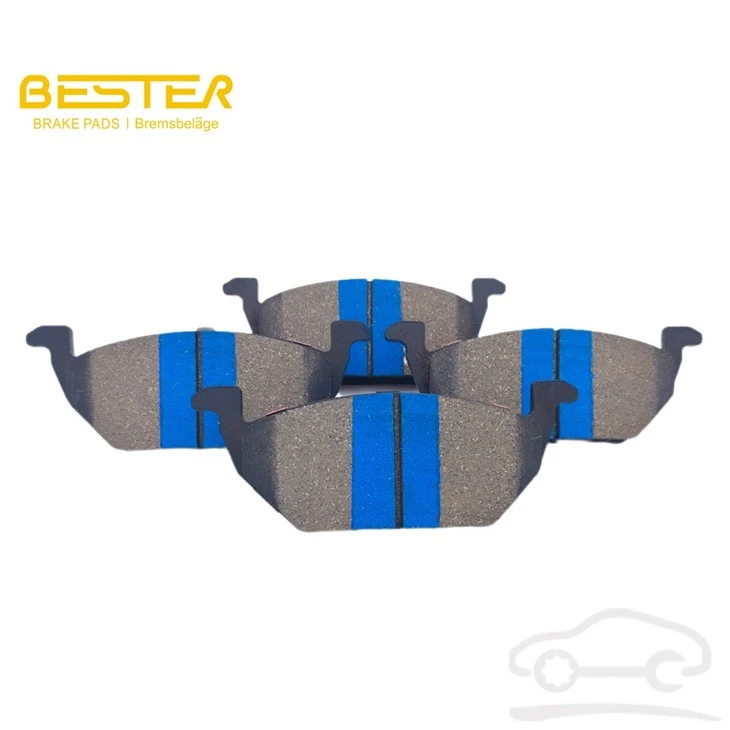
There are different types of brake pads available in the market, each with its own set of characteristics. For instance, Ceramic Disc Front BESTER Brake Pad D768 SP1701 GDB1984 is a popular choice among bus owners. Ceramic brake pads are known for their durability, low noise levels, and minimal dust production. Another option is Low Dust Ceramic Brake Pads, which, as the name suggests, produce less dust compared to other types of brake pads. Ceramic Brakes in general offer superior performance and longevity, making them a reliable choice for buses.
The Advantages of Replacing Bus Brake Pads Yourself
One of the primary reasons why people consider replacing bus brake pads themselves is the cost savings. Professional brake pad replacement services can be quite expensive, as they include labor charges in addition to the cost of the brake pads. By doing it yourself, you can save a significant amount of money, especially if you own multiple buses or plan to perform the replacement regularly.
Another advantage is the sense of empowerment and self - sufficiency that comes with DIY vehicle maintenance. Learning how to replace brake pads gives you a better understanding of your bus's braking system, which can be useful in diagnosing other potential issues in the future. It also allows you to work at your own pace and on your own schedule, without having to wait for an appointment at a mechanic's shop.
The Challenges of DIY Bus Brake Pad Replacement
While the idea of saving money and gaining knowledge is appealing, replacing bus brake pads is not without its challenges. Buses are much larger and heavier than regular cars, which means their braking systems are more complex and require specialized tools. You'll need a hydraulic jack, jack stands, a socket set, a C - clamp, and other tools to safely and effectively replace the brake pads. If you don't have these tools on hand, purchasing them can add to the overall cost of the project.
Safety is another major concern. Working on a bus's braking system is a high - risk task. If the brake pads are not installed correctly, it can lead to poor braking performance, which can be extremely dangerous on the road. Buses carry a large number of passengers, and any malfunction in the braking system can put lives at risk. Additionally, buses often have air brakes, which require a different set of skills and knowledge compared to traditional hydraulic brakes.
Step - by - Step Guide to DIY Bus Brake Pad Replacement (General)
If you've decided to take on the challenge of replacing bus brake pads yourself, here's a general step - by - step guide:
- Gather the necessary tools and materials: As mentioned earlier, you'll need a hydraulic jack, jack stands, a socket set, a C - clamp, and of course, the new brake pads. Make sure you have the correct type and size of brake pads for your bus.
- Prepare the bus: Park the bus on a flat, stable surface and engage the parking brake. Place wheel chocks behind the rear wheels to prevent the bus from rolling.
- Lift the bus: Use the hydraulic jack to lift the bus at the appropriate lifting points. Once the bus is high enough, place the jack stands under the bus for additional support.
- Remove the wheel: Use the socket set to remove the lug nuts and take off the wheel.
- Access the brake caliper: Locate the brake caliper, which is usually mounted on the brake disc. Remove the bolts holding the caliper in place and carefully lift the caliper off the disc.
- Remove the old brake pads: The old brake pads are held in place by clips or springs. Remove these and take out the old pads.
- Install the new brake pads: Place the new brake pads in the correct position and secure them with the clips or springs.
- Reinstall the brake caliper: Carefully place the caliper back on the brake disc and tighten the bolts.
- Compress the caliper piston: Use a C - clamp to compress the caliper piston to make room for the new, thicker brake pads.
- Reinstall the wheel: Put the wheel back on the bus and tighten the lug nuts.
- Lower the bus: Remove the jack stands and lower the bus using the hydraulic jack.
It's important to note that this is a general guide, and the specific steps may vary depending on the make and model of your bus.
When to Seek Professional Help
Given the complexity and safety risks associated with bus brake pad replacement, there are situations where it's best to seek professional help. If you're not confident in your mechanical skills, have never worked on a bus's braking system before, or if your bus has a complex air brake system, it's advisable to take it to a professional mechanic. Additionally, if you encounter any issues during the replacement process, such as a stuck caliper or damaged parts, it's better to let an expert handle it.
Conclusion
In conclusion, while it is possible to replace bus brake pads yourself, it's not a decision to be taken lightly. It requires a certain level of mechanical skill, the right tools, and a thorough understanding of the bus's braking system. If you're up for the challenge and have the necessary resources, DIY brake pad replacement can be a rewarding experience. However, if you're unsure or concerned about safety, it's always better to rely on professional mechanics.
As a bus brake pad supplier, we are committed to providing high - quality brake pads and helping you make the best decisions for your bus's braking system. Whether you choose to replace the brake pads yourself or seek professional help, we have the right products to meet your needs. If you're interested in purchasing our brake pads or have any questions about our products, we encourage you to contact us for further discussion and procurement negotiation. We look forward to serving you and ensuring the safety and performance of your buses.
References
- "Automotive Brake Systems" - A comprehensive textbook on vehicle braking systems.
- Various bus manufacturer's service manuals for specific make and model information.