

Hey there, fellow truckers! If you've been dealing with that annoying squealing sound coming from your truck brake pads, you're in the right place. I'm a supplier of truck brake pads, and I've seen this issue more times than I can count. In this blog, I'll share some tips on how to stop those brake pads from squealing.
First off, let's talk about why brake pads squeal in the first place. There are a few reasons for this. One common cause is the buildup of dust and debris between the brake pad and the rotor. When you apply the brakes, this debris can cause the brake pad to vibrate, which results in that high - pitched squeal. Another reason could be the type of brake pad material. Some materials are more prone to squealing than others. For example, semi - metallic brake pads tend to be noisier compared to ceramic ones.
1. Clean the Brake Components
The first step you can take to stop the squealing is to clean the brake components. This is a relatively simple process that you can do at home with some basic tools. You'll need a brake cleaner, a wire brush, and some rags.
Start by removing the wheels to access the brake calipers and rotors. Spray the brake cleaner onto the calipers, rotors, and brake pads. The cleaner will help dissolve any grease, oil, or debris that might be causing the squealing. Use the wire brush to gently scrub the components, especially the areas where the brake pad makes contact with the rotor. Make sure to get rid of any rust or corrosion as well.
After scrubbing, wipe everything down with a clean rag. Let the components dry completely before putting the wheels back on. This simple cleaning process can often eliminate the squealing sound, as it removes the foreign particles that cause the vibrations.
2. Check the Brake Pad Thickness
Another important thing to check is the thickness of your brake pads. If the brake pads are worn down too much, they can start to squeal. Most brake pads come with a wear indicator, which is a small metal tab that makes contact with the rotor when the pads are getting thin. When you hear a continuous high - pitched squeal, it could be a sign that the wear indicator is doing its job and telling you that it's time to replace the brake pads.
You can use a caliper to measure the thickness of the brake pads. If the pads are less than the recommended thickness (usually around 3 - 4 millimeters), it's definitely time for a replacement. As a truck brake pad supplier, I can recommend some great options for you. For heavy - duty trucks, I highly suggest checking out our Heavy Duty Ceramic Brake Pads. These pads are made of high - quality ceramic material, which is not only less likely to squeal but also offers excellent braking performance and durability.
3. Apply Anti - Squeal Compound
Applying an anti - squeal compound is another effective way to stop the brake pads from squealing. Anti - squeal compounds are designed to dampen the vibrations between the brake pad and the caliper, reducing the noise.
Before applying the compound, make sure the brake components are clean and dry. You can apply the anti - squeal compound to the back of the brake pads, where they make contact with the caliper. Use a small brush or a spatula to spread a thin, even layer of the compound. Be careful not to get any of the compound on the friction surface of the brake pad, as this can affect the braking performance.
There are different types of anti - squeal compounds available in the market, such as liquid compounds and paste - like compounds. Both work well, so it really depends on your personal preference. Just follow the instructions on the product label for the best results.
4. Inspect the Brake Caliper
The brake caliper plays a crucial role in the braking system, and a faulty caliper can also cause the brake pads to squeal. A caliper that is sticking or not functioning properly can put uneven pressure on the brake pads, leading to vibrations and noise.
Inspect the caliper for any signs of damage or wear. Check the caliper pistons to make sure they are moving freely. If the pistons are stuck, you may need to disassemble the caliper and clean or replace the pistons. You can also check the caliper bolts to ensure they are tightened to the correct torque.
If you find that the caliper is severely damaged, it's best to replace it. For transit vans, our Transit Van Brake Pads come with a well - designed caliper system that is less likely to cause problems and squealing.
5. Choose the Right Brake Pads
As I mentioned earlier, the type of brake pads you use can have a big impact on whether they squeal or not. Different vehicles require different types of brake pads, and choosing the wrong ones can lead to squealing and other issues.
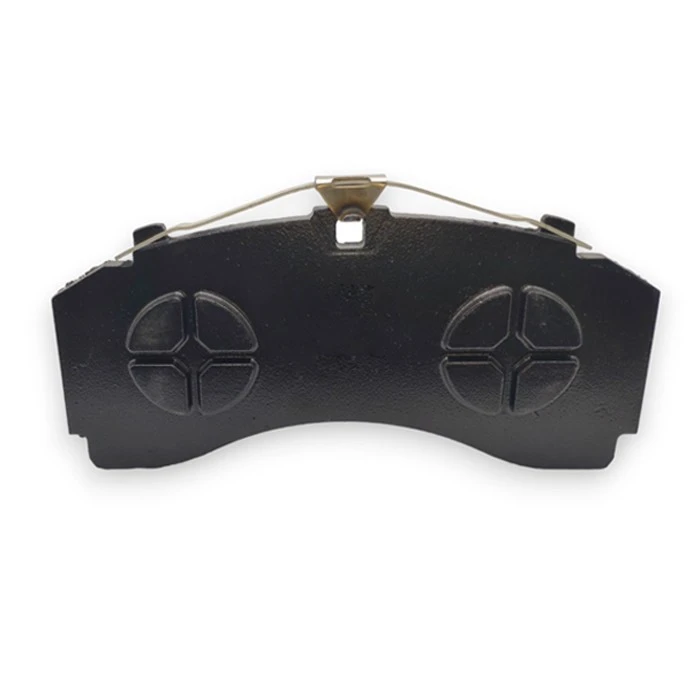
When selecting brake pads, consider factors such as the type of truck you have, your driving style, and the conditions in which you drive. For example, if you do a lot of heavy - hauling or driving in mountainous areas, you'll need brake pads that can handle high - temperature and high - pressure situations. Our 29087 Truck Brake Pad is a great choice for such scenarios. It's designed to provide reliable braking performance under extreme conditions and is less likely to squeal.

6. Bed the Brake Pads
Bedding in the brake pads is an important process that many truck owners overlook. Bedding in, also known as breaking in, helps the brake pads and rotors to form a proper friction surface. When you install new brake pads, the initial contact between the pads and the rotors can be uneven, which can lead to squealing.
To bed the brake pads, you need to follow a specific procedure. Start by driving at a moderate speed (around 30 - 40 miles per hour). Apply the brakes gently to slow down the vehicle to about 10 miles per hour. Repeat this process 10 - 15 times, allowing the brakes to cool down between each application. After that, drive normally for a few days to fully break in the pads. This process ensures that the brake pads and rotors wear evenly, reducing the chances of squealing.
In conclusion, dealing with squealing brake pads can be a real headache, but there are several steps you can take to solve the problem. From simple cleaning and checking the pad thickness to choosing the right brake pads and bedding them in, each step plays an important role in eliminating the noise.
If you're in the market for new brake pads or need more advice on brake maintenance, don't hesitate to reach out. As a truck brake pad supplier, I'm always here to help you find the best solutions for your truck. Whether you have a heavy - duty truck, a transit van, or any other type of vehicle, we have a wide range of high - quality brake pads to meet your needs. So, if you're interested in discussing your brake pad requirements, feel free to start a conversation with us. Let's work together to keep your truck's braking system in top shape!
References
- Brake and Front End Magazine: "How to Stop Brake Squeal"
- Popular Mechanics: "Brake Pad Maintenance Guide"
- Automotive Training Center: "Understanding Brake Pad Wear and Replacement"