

Hey there, fellow truckers and fleet managers! As a supplier of top - notch truck brake pads, I know firsthand how crucial it is to prepare your brakes for cold weather driving. Cold temperatures can have a significant impact on your truck's braking system, and if you're not careful, it could lead to some serious issues on the road. So, let's dive into how you can get your truck brake pads ready for those frosty drives.
Understanding the Challenges of Cold Weather on Brake Pads
First things first, we need to understand what cold weather does to brake pads. When the temperature drops, the friction materials in brake pads become less flexible. This reduced flexibility means they don't grip the brake rotors as effectively as they do in warmer conditions. As a result, your stopping distance can increase, which is a major safety concern, especially when you're hauling heavy loads.
Another issue is moisture. Cold air can hold less moisture than warm air, but it doesn't mean there's no moisture around. In fact, condensation can form on your brake pads and rotors, leading to rust and corrosion. This can damage the surface of the brake pads and rotors, further reducing braking performance.
Pre - Season Inspection
Before the cold weather hits, it's essential to give your truck's braking system a thorough inspection. This is something you can do yourself if you're handy with tools, or you can take it to a professional mechanic.
Start by visually inspecting the brake pads. Look for signs of wear, such as uneven thickness or grooves. If the brake pads are worn down to the recommended minimum thickness, it's time to replace them. You can check out our Heavy Duty Truck Brake Pads for high - quality replacements that are built to last.
Next, examine the brake rotors. Check for any signs of warping, cracking, or excessive wear. If the rotors are damaged, they may need to be resurfaced or replaced. Remember, the brake pads and rotors work together, so a damaged rotor can cause premature wear on the new brake pads.
Also, don't forget to check the brake fluid. Cold weather can cause the brake fluid to thicken, which can affect the hydraulic system's performance. Make sure the brake fluid is at the proper level and has the right viscosity for cold weather. If it's old or contaminated, it's a good idea to flush and replace it.

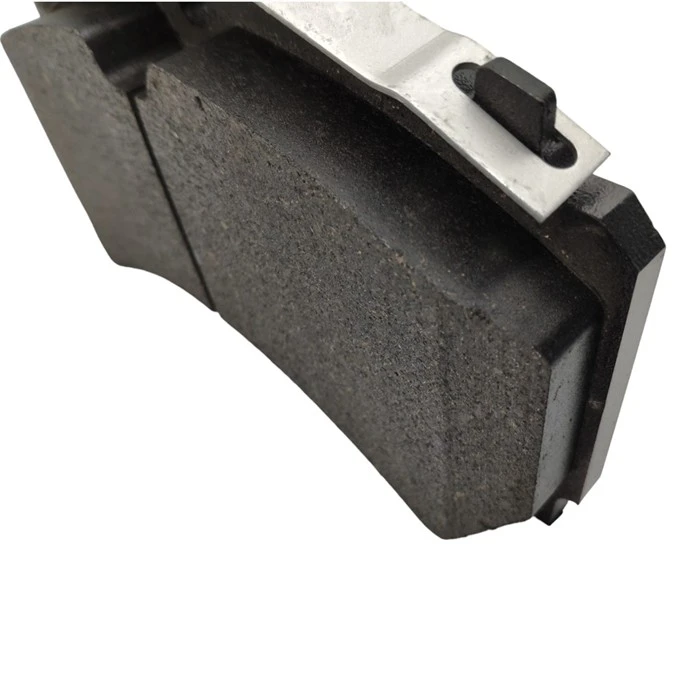
Choosing the Right Brake Pads for Cold Weather
Not all brake pads are created equal, especially when it comes to cold weather performance. Some brake pads are designed specifically for cold conditions, offering better friction and stopping power in low temperatures.
Our Heavy Duty Ceramic Brake Pads are a great option for cold weather driving. Ceramic brake pads have excellent heat dissipation properties, which helps prevent the brake pads from overheating during hard braking. They also produce less dust and noise compared to other types of brake pads, making them a cleaner and quieter choice.
Another option is our 29087 Truck Brake Pad. These brake pads are engineered to provide consistent performance in a wide range of temperatures, including cold weather. They have a high - friction material that ensures reliable stopping power, even when the mercury drops.
Proper Installation
Once you've chosen the right brake pads, it's crucial to install them correctly. Improper installation can lead to a host of problems, such as uneven braking, noise, and premature wear.
If you're installing the brake pads yourself, make sure you follow the manufacturer's instructions carefully. Clean the brake calipers, pistons, and mounting brackets thoroughly before installing the new brake pads. You may also need to lubricate certain parts, such as the caliper slides, to ensure smooth operation.
If you're not confident in your ability to install the brake pads, it's best to take your truck to a professional mechanic. A qualified mechanic has the tools and expertise to install the brake pads correctly, ensuring optimal performance and safety.
Break - In Procedure
After installing new brake pads, it's important to follow a proper break - in procedure. This helps the brake pads and rotors to seat properly and ensures maximum braking performance.
The break - in procedure typically involves a series of gentle stops from moderate speeds. Start by driving at a speed of around 30 - 40 mph and then gradually apply the brakes until you come to a complete stop. Repeat this process several times, allowing the brakes to cool down between stops. Avoid hard braking or high - speed stops during the break - in period, as this can damage the new brake pads.
Winter Driving Tips
Even if you've prepared your brake pads for cold weather, there are still some driving tips you should follow to ensure your safety on the road.
First, increase your following distance. Cold weather can make the roads slippery, so you'll need more time and distance to stop your truck. Leave at least twice as much space between your truck and the vehicle in front of you as you would in normal conditions.
Second, drive more slowly. Reducing your speed gives you more time to react to unexpected situations and helps prevent skidding. Remember, it's better to arrive a little late than not at all.
Finally, be gentle with the brakes. Avoid sudden or hard braking, as this can cause the wheels to lock up and lead to a loss of control. Instead, apply the brakes gradually and smoothly.
Maintenance During Cold Weather
During the cold winter months, it's important to keep an eye on your truck's braking system. Make sure to check the brake pads and rotors regularly for signs of wear or damage. If you notice any unusual noises, vibrations, or a decrease in braking performance, have your brakes inspected immediately.
Also, try to keep your truck in a garage or covered area when it's not in use. This can help protect the brake pads and rotors from moisture and corrosion. If you can't park your truck indoors, consider using a brake pad protector spray to prevent rust and corrosion.
Conclusion
Preparing your truck brake pads for cold weather driving is essential for your safety on the road. By understanding the challenges of cold weather, conducting a pre - season inspection, choosing the right brake pads, installing them correctly, following a break - in procedure, and practicing safe winter driving habits, you can ensure that your truck's braking system performs at its best, even in the coldest conditions.
If you're in the market for high - quality truck brake pads, we're here to help. We offer a wide range of brake pads that are designed to meet the needs of truckers and fleet managers. Whether you need heavy - duty brake pads for long - haul trucks or ceramic brake pads for better performance, we've got you covered.
Don't hesitate to reach out if you have any questions or need help choosing the right brake pads for your truck. We're always happy to assist you in making the best decision for your braking needs. Let's work together to keep your trucks safe on the road this winter!
References
- "Brake System Basics." Brake & Front End Magazine.
- "Cold Weather Driving Tips." National Highway Traffic Safety Administration.
- Manufacturer's manuals for truck brake pads and related components.