

As a supplier of bus front brake pads, I understand the critical importance of measuring the braking efficiency of our products. Braking efficiency is not just a technical specification; it's a matter of safety, performance, and customer satisfaction. In this blog post, I'll share the methods and considerations I use to measure the braking efficiency of bus front brake pads.
Understanding the Basics of Braking Efficiency
Braking efficiency refers to the ability of a brake system to convert the kinetic energy of a moving vehicle into heat energy through friction, thereby slowing down or stopping the vehicle. For bus front brake pads, this efficiency is influenced by several factors, including the material of the brake pads, the design of the braking system, and the operating conditions.
The primary goal of measuring braking efficiency is to ensure that the brake pads can provide reliable and consistent braking performance under various conditions. This involves testing the brake pads in both laboratory settings and real-world applications to simulate different driving scenarios.
Laboratory Testing Methods
Dynamometer Testing
One of the most common methods for measuring braking efficiency is dynamometer testing. A dynamometer is a device that can simulate the braking process by applying a controlled load to the brake pads. This allows us to measure the braking force, torque, and temperature generated during the braking process.
During dynamometer testing, we mount the bus front brake pads on a test rig and subject them to a series of braking cycles. We vary the speed, load, and braking pressure to simulate different driving conditions. By measuring the braking force and torque, we can calculate the coefficient of friction between the brake pads and the brake discs. This coefficient is a key indicator of braking efficiency, as a higher coefficient means more effective braking.
We also monitor the temperature of the brake pads during testing. Excessive heat can cause the brake pads to fade, reducing their braking efficiency. By measuring the temperature, we can ensure that the brake pads can maintain their performance even under high-stress conditions.
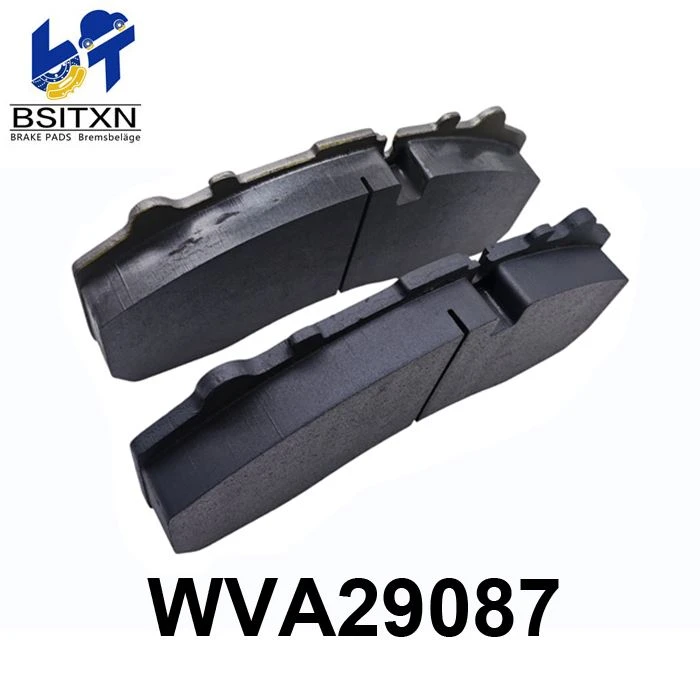

Friction Material Testing
In addition to dynamometer testing, we also conduct friction material testing to evaluate the properties of the brake pad material. This includes testing the hardness, density, and wear resistance of the material.
Hardness is an important property of brake pad material, as it affects the coefficient of friction and the wear rate. A harder material may provide higher braking efficiency, but it may also cause more wear on the brake discs. Density is another important factor, as it can affect the heat dissipation properties of the brake pads. A higher density material may be more effective at dissipating heat, reducing the risk of brake fade.
Wear resistance testing is also crucial, as it allows us to determine the lifespan of the brake pads. We subject the brake pads to a series of wear tests, measuring the amount of material lost over time. This information helps us to optimize the design and material composition of the brake pads to ensure maximum durability.
Real-World Testing
While laboratory testing provides valuable insights into the braking efficiency of bus front brake pads, real-world testing is also essential. Real-world testing allows us to evaluate the performance of the brake pads in actual driving conditions, where factors such as road surface, weather, and driver behavior can have a significant impact on braking performance.
Field Testing
We conduct field testing by installing our bus front brake pads on a fleet of buses and monitoring their performance over a period of time. During field testing, we collect data on factors such as braking distance, stopping time, and brake pad wear. This data allows us to evaluate the real-world performance of the brake pads and identify any potential issues.
We also gather feedback from the bus drivers and maintenance personnel. Their insights can provide valuable information about the performance of the brake pads in everyday use. For example, they may notice any unusual noises, vibrations, or changes in braking feel, which can indicate problems with the brake pads.
Comparative Testing
In addition to field testing, we also conduct comparative testing to evaluate the performance of our bus front brake pads against other products on the market. This involves installing our brake pads on one set of buses and competing products on another set of buses, and then comparing the braking performance of the two groups.
Comparative testing allows us to identify the strengths and weaknesses of our products relative to the competition. It also helps us to benchmark our products and make improvements as needed.
Considerations for Measuring Braking Efficiency
Operating Conditions
When measuring the braking efficiency of bus front brake pads, it's important to consider the operating conditions. Braking performance can vary significantly depending on factors such as speed, load, temperature, and road surface. For example, braking at high speeds or with a heavy load requires more braking force, which can put more stress on the brake pads.
To account for these factors, we conduct testing under a range of operating conditions. This allows us to ensure that the brake pads can provide reliable performance in all types of driving situations.
Safety Standards
Another important consideration is compliance with safety standards. Bus front brake pads must meet certain safety standards set by regulatory agencies, such as the Federal Motor Vehicle Safety Standards (FMVSS) in the United States. These standards specify minimum requirements for braking performance, including braking distance and stopping time.
We ensure that our bus front brake pads meet or exceed these safety standards through rigorous testing and quality control measures. This not only ensures the safety of the bus passengers but also helps us to build trust with our customers.
Cost-Effectiveness
In addition to performance and safety, cost-effectiveness is also an important consideration. As a supplier, we need to balance the cost of manufacturing the brake pads with the need to provide high-quality products.
We use a variety of techniques to optimize the cost-effectiveness of our bus front brake pads. This includes using advanced manufacturing processes, sourcing high-quality materials at competitive prices, and continuously improving our product design. By reducing the cost of production without sacrificing performance, we can offer our customers a more competitive product.
Conclusion
Measuring the braking efficiency of bus front brake pads is a complex process that requires a combination of laboratory testing, real-world testing, and careful consideration of operating conditions, safety standards, and cost-effectiveness. As a supplier, it's our responsibility to ensure that our brake pads provide reliable and consistent braking performance under all types of driving conditions.
By using advanced testing methods and continuously improving our product design, we can offer high-quality bus front brake pads that meet the needs of our customers. If you're interested in learning more about our Bus Front Brake Pads or Heavy Duty Truck Brake Pads, including our 29087 Truck Brake Pad, please feel free to contact us for further details and to discuss your procurement needs.
References
- SAE International. (2019). SAE J2522: Dynamometer Test Procedure for Measuring Friction Material Performance of Disk Brake Pads and Linings.
- Federal Motor Vehicle Safety Standards. (2020). FMVSS No. 121: Air Brake Systems.
- ISO International Organization for Standardization. (2018). ISO 6312: Road Vehicles - Laboratory Friction Performance of Brake Linings and Pads.