

Maintaining your car brake pads is crucial for ensuring the safety and performance of your vehicle. As a trusted car brake pads supplier, I've witnessed firsthand the impact that proper maintenance can have on brake pad longevity and overall driving experience. In this blog, I'll share some essential tips on how to maintain your car brake pads effectively.
Understanding Your Brake Pads
Before delving into maintenance, it's important to understand the different types of brake pads available. There are various materials used in brake pad manufacturing, each with its own set of characteristics. For instance, Non Asbestos Organic Brake Pads are known for their quiet operation and low dust production. They are made from a combination of organic materials such as rubber, glass, and Kevlar, which provide good friction and heat resistance.
On the other hand, semi-metallic brake pads contain a mixture of metal fibers, usually steel, copper, or iron. These pads offer excellent stopping power and are more durable than organic pads, making them suitable for high-performance vehicles or heavy-duty applications. Ceramic brake pads are another popular option. They are made from ceramic materials and are known for their long lifespan, low noise, and minimal dust generation.
Regular Inspection
One of the most important aspects of brake pad maintenance is regular inspection. It's recommended to check your brake pads at least once every six months or every 10,000 - 15,000 miles, depending on your driving habits. Here's how you can perform a basic inspection:
- Visual Inspection: Start by visually inspecting the brake pads through the wheels. You should be able to see the brake pads pressed against the brake rotors. If the brake pads appear to be less than 1/8 - inch thick, it's time to replace them.
- Listen for Warning Signs: Pay attention to any unusual noises when you apply the brakes. Squealing, grinding, or scraping sounds are often indicators of worn brake pads. A high - pitched squeal is usually a warning signal that the brake pads are reaching the end of their lifespan, while a grinding noise may suggest that the brake pads have worn down completely and the metal backing is rubbing against the rotor.
- Check the Brake Fluid: The brake fluid level can also provide clues about the condition of your brake pads. If the brake fluid level is low, it could be a sign that the brake pads are worn and the calipers have extended further to compensate for the reduced pad thickness.
Driving Habits
Your driving habits play a significant role in the lifespan of your brake pads. Aggressive driving, such as rapid acceleration and hard braking, can cause excessive wear on the brake pads. Here are some driving tips to help extend the life of your brake pads:
- Anticipate Stops: Instead of waiting until the last minute to brake, try to anticipate stops and start braking gradually. This reduces the stress on the brake pads and helps to distribute the wear more evenly.
- Use Engine Braking: When going downhill, use engine braking by downshifting to a lower gear. This reduces the need to rely solely on the brake pads to slow down the vehicle, thereby reducing wear.
- Avoid Overloading: Overloading your vehicle puts extra strain on the brakes. Make sure you don't exceed the recommended weight capacity of your car.
Keeping the Braking System Clean
Dirt, debris, and rust can accumulate on the brake components over time, which can affect the performance of your brake pads. Here's how you can keep the braking system clean:
- Regular Washes: Wash your wheels and brakes regularly to remove dirt and debris. Use a mild soap and a soft brush to clean the brake calipers, rotors, and pads. Avoid using high - pressure water directly on the brake components, as this can force water into the brake system and cause damage.
- Lubrication: Apply a thin layer of high - temperature brake lubricant to the caliper slides and mounting points. This helps to prevent corrosion and ensures that the calipers move freely, allowing the brake pads to make proper contact with the rotors.
Choosing the Right Brake Pads
As a car brake pads supplier, I understand the importance of choosing the right brake pads for your vehicle. When it's time to replace your brake pads, consider the following factors:
- Vehicle Type: Different vehicles have different braking requirements. For example, a compact car may require different brake pads than a large SUV or a high - performance sports car. Make sure you choose brake pads that are specifically designed for your vehicle make and model.
- Driving Conditions: If you do a lot of city driving with frequent stops and starts, you may want to choose brake pads that are designed for this type of driving. On the other hand, if you do a lot of highway driving, you may be able to opt for brake pads that offer better durability and heat resistance.
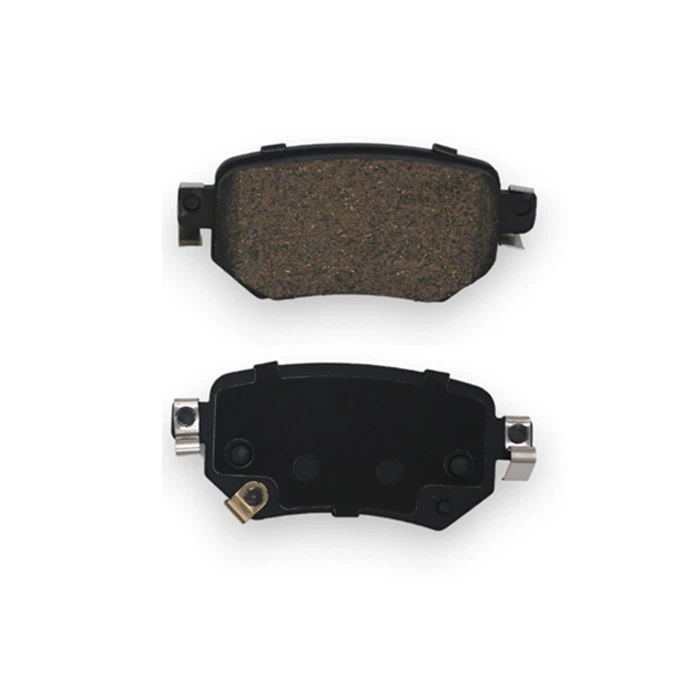
- Quality: Always choose high - quality brake pads from a reputable supplier. Quality brake pads are made from better materials and are more likely to provide consistent performance and longer lifespan. You can explore our range of Auto Parts Rear Brake Pads and Auto Spare Parts Brake Pads for reliable options.
Professional Maintenance
While regular inspections and basic maintenance can go a long way in ensuring the health of your brake pads, it's also important to have your brakes serviced by a professional mechanic on a regular basis. A professional mechanic can perform a more in - depth inspection of the brake system, including checking the brake lines, calipers, and rotors. They can also identify any potential issues early on and recommend the appropriate repairs or replacements.

Conclusion
Maintaining your car brake pads is an essential part of vehicle ownership. By following these tips, you can ensure that your brake pads last longer, perform better, and keep you safe on the road. As a car brake pads supplier, I'm committed to providing high - quality brake pads and helping you make informed decisions about your vehicle's braking system.
If you're interested in purchasing brake pads or have any questions about brake pad maintenance, I encourage you to reach out for a procurement discussion. We're here to assist you in finding the right brake pads for your needs and ensuring that your vehicle's braking system remains in top condition.
References
- "Brake Pad Maintenance Guide" - Automotive Mechanics Handbook
- "The Importance of Proper Brake Pad Selection" - Journal of Automotive Engineering
- "Driving Habits and Brake Pad Wear" - Research Paper on Vehicle Safety